CM Bhajan Lal backs Viksit Bharat 2047, cites Modi's vision
Synopsis
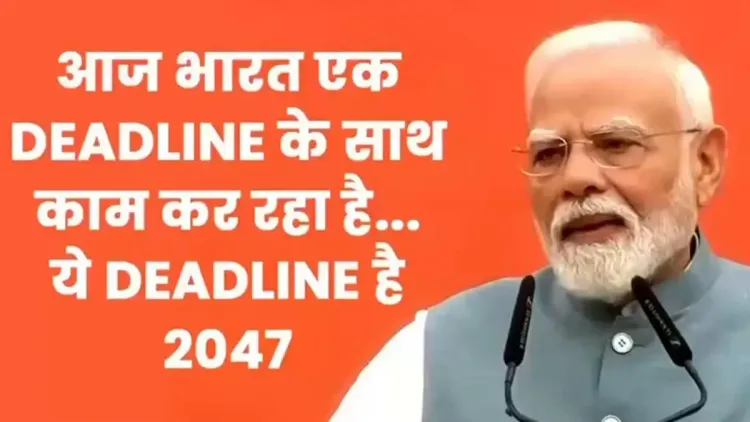
Rajasthan Chief Minister Bhajan Lal Sharma on 12 November 2026 publicly endorsed PM Modi's Viksit Bharat 2047 vision, arguing that a fixed national deadline reshapes priorities and accelerates India's development pace.
Key Takeaways
Rajasthan CM Bhajan Lal Sharma posted on 12 November 2026 backing the Viksit Bharat 2047 national development vision.
The post quotes PM Narendra Modi , framing 2047 as a fixed deadline that reshapes national priorities and work culture.
PM Modi first articulated the Viksit Bharat goal on Independence Day in August 2022 , calling the period until 2047 Amrit Kaal .
Sharma has been Rajasthan's Chief Minister since December 2023 and regularly endorses central government frameworks.
BJP-governed states publicly aligning with the 2047 vision is part of a broader Centre-state political and planning coordination strategy.
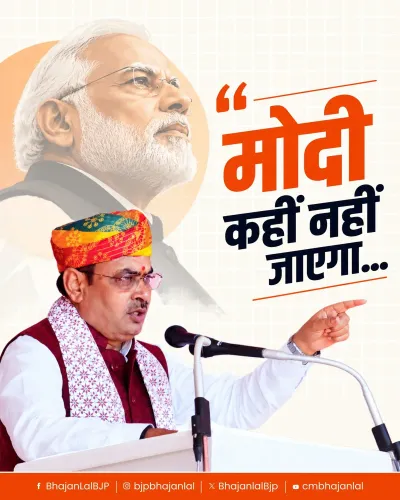
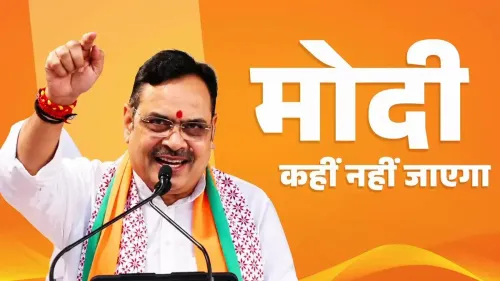
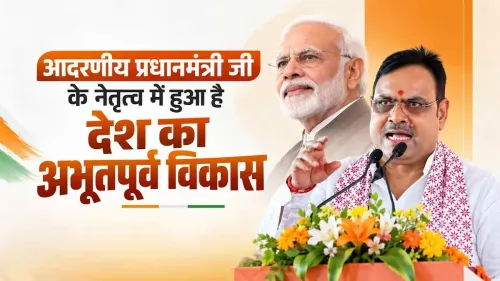
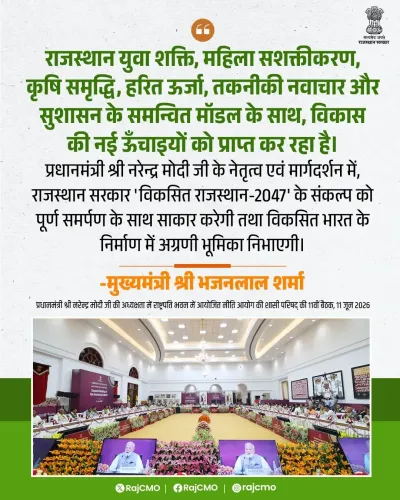
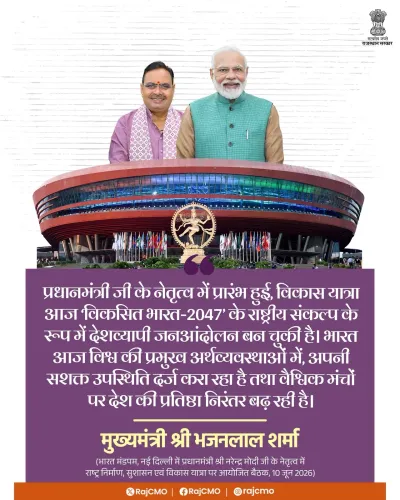
When a deadline is fixed for an entire nation, everything that follows — priorities, pace, even the daily rhythm of governance — realigns around it. Rajasthan Chief Minister Bhajan Lal Sharma made exactly that point on Thursday, 12 November 2026, quoting Prime Minister Narendra Modi and publicly underscoring the Viksit Bharat 2047 vision as India's defining national mission.
Sharma's post, shared in Hindi, reads: 'Viksit Bharat 2047 ka lakshya desh ke saamne ek nishchit samaysima aur saamoohik sankalp hai' — 'The Viksit Bharat 2047 goal represents a fixed timeline and a collective resolve before the nation.' He added that once a goal is set, priorities shift, working styles change, and the pace of effort accelerates — framing India's current development trajectory as a direct product of that resolve.
What Viksit Bharat 2047 actually demands
Prime Minister Modi first anchored the Viksit Bharat vision in his Independence Day address in August 2022, designating the stretch from then until 2047 — the centenary of Indian independence — as Amrit Kaal, a period of transformative national progress. The goal: lift India into the ranks of fully developed nations before the hundredth year of freedom arrives. The timeline is not rhetorical. It imposes a planning horizon that cascades into every five-year budget cycle, every state policy document, and every infrastructure deadline between now and 2047.
The ambition is vast. A developed India by 2047 would require sustained GDP growth, deep improvements in health, education, and infrastructure, and coordinated action across all twenty-eight states and eight Union Territories. No single government can deliver it alone — which is precisely why the Centre has sought to build a visible coalition of state-level buy-in.
BJP's states-to-Centre alignment strategy
Bhajan Lal Sharma, who assumed office as Rajasthan's Chief Minister in December 2023, has been a consistent amplifier of central government initiatives. His post fits a broader pattern: BJP-ruled state governments publicly echoing the Prime Minister's long-term frameworks to signal unified policy direction — a form of political coordination that also carries a practical signal to administrators on the ground about where budget priorities should flow.
For Rajasthan specifically, alignment with Viksit Bharat targets matters in real, fiscal terms. State budget presentations and policy planning documents that reference the 2047 framework tend to access preferential central funding streams and attract higher visibility in flagship scheme rollouts. When the Chief Minister speaks the same language as the Centre, the state's planners follow suit.
The post is a reminder that India's most ambitious national goal is not just a Prime Ministerial talking point — it is now embedded in the political vocabulary of state leadership across the BJP ecosystem, with 2047 functioning less as a distant aspiration and more as an active administrative clock.
Point of View
State leadership signals administrative and political alignment in a single public move. The Viksit Bharat 2047 framework is increasingly functioning as a unifying ideological and planning scaffold for the party's governance narrative across states. For Rajasthan — a state that returned to BJP rule only in late 2023 — such visible coordination with New Delhi also carries a resource-access logic, as central funding and flagship scheme priority often tracks closely with political signalling. The 2047 deadline is now less a vision statement and more an active governance clock that reshapes how BJP-ruled governments frame budgets, priorities, and performance metrics.
NationPress
12 Nov 2026
Frequently Asked Questions
What is Viksit Bharat 2047?
Viksit Bharat 2047 is the Indian government's vision to transform India into a fully developed nation by 2047, the centenary of independence. PM Modi introduced the goal in his Independence Day address in August 2022, terming the period until 2047 as Amrit Kaal.
What did Rajasthan CM Bhajan Lal Sharma say about Viksit Bharat 2047?
On 12 November 2026, CM Sharma posted that the Viksit Bharat 2047 goal represents a fixed timeline and a collective national resolve, arguing that setting such a goal changes priorities, working methods, and accelerates the pace of development efforts.
Who is Bhajan Lal Sharma?
Bhajan Lal Sharma is the Chief Minister of Rajasthan and a BJP leader who assumed office in December 2023.
What is Amrit Kaal in India's development plan?
Amrit Kaal refers to the 25-year period from India's 75th Independence Day in 2022 to its 100th in 2047, designated by PM Modi as a defining window for India to achieve developed-nation status through accelerated economic and social progress.
Why do BJP state chief ministers back the Viksit Bharat vision?
BJP-ruled state governments regularly endorse the Viksit Bharat 2047 framework to signal unified policy direction with the Centre. This alignment also carries practical implications, as state planning documents referencing central frameworks tend to attract higher priority in flagship scheme rollouts and central funding.