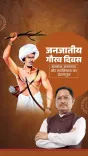
Maharashtra observes Birsa Munda Gaurav Din Saptah from Nov 11–18
Synopsis
Maharashtra has mapped out a full week of tribal welfare events, scholarships and economic empowerment drives to mark Janjatiya Gaurav Divas. The centrepiece — a state-level programme in Gadchiroli on 15 November attended by the Governor, Chief Minister and Deputy Chief Ministers — signals the political weight the government is attaching to the Scheduled Tribe constituency ahead of a packed legislative calendar.
Key Takeaways
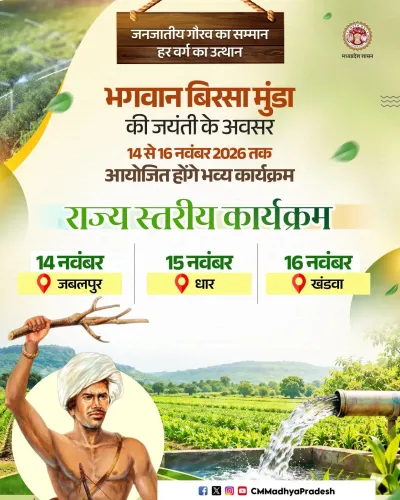
Maharashtra is observing Bhagwan Birsa Munda Gaurav Din Saptah from 11 to 18 November 2026 , coinciding with Janjatiya Gaurav Divas on 15 November .
A state-level programme will be held in Gadchiroli on 15 November in the presence of the Governor, Chief Minister and Deputy Chief Ministers .
The Rani Durgavati Women Empowerment Scheme has been launched for tribal women's economic upliftment, modelled on the UMED framework.
A Veer Raghoji Bhangre scholarship has been announced for meritorious tribal students; competitive exam training centres set up in all districts.
More than 3,000 teachers appointed contractually in ashram schools; a university-level tribal culture study centre to be established.
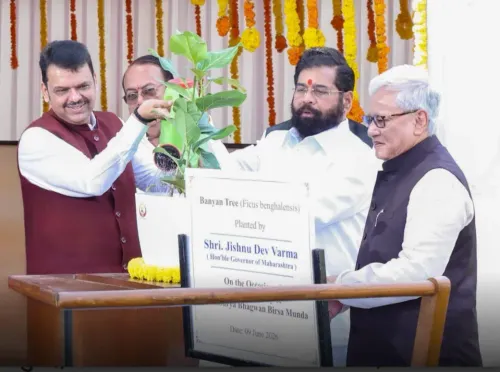
Mumbai Suburban district has planted 2,12,390 of its 5 lakh tree target under the state's 300 crore tree plantation drive over 20 years.
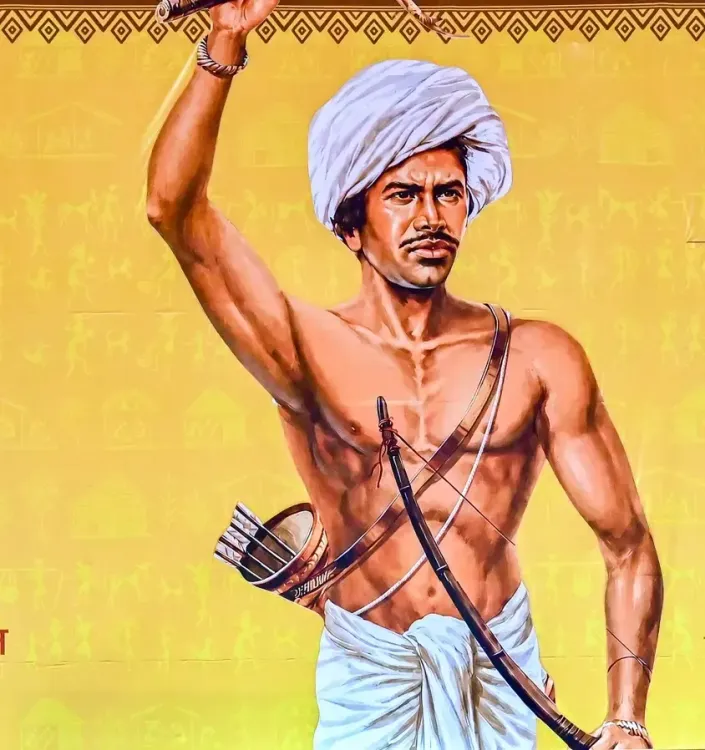
The Maharashtra government is observing Bhagwan Birsa Munda Gaurav Din Saptah across the state from 11 to 18 November 2026, coinciding with the national celebration of Janjatiya Gaurav Divas on 15 November, the birth anniversary of tribal icon Bhagwan Birsa Munda. The week-long programme encompasses social, educational, economic and cultural initiatives targeting Scheduled Tribe communities across Maharashtra.
Key Events Day by Day
On 13 November, cheques will be distributed to beneficiaries of the Nucleus Budget Scheme, and benefits will be extended to women's self-help groups, with new applications accepted and processed for approval. 14 November will see cleanliness drives and Deepotsav (festival of lights) at memorials statewide.
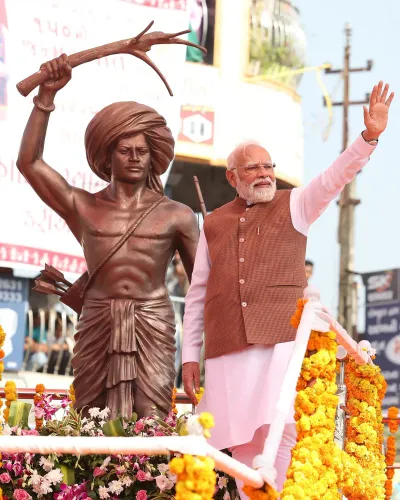
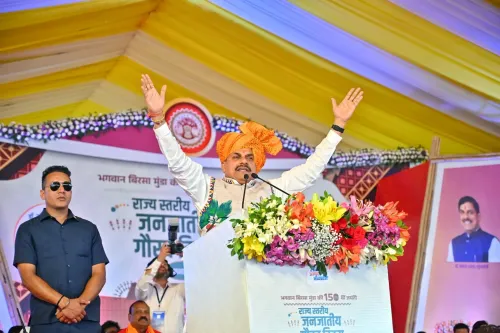
The centrepiece falls on 15 November, when floral tributes will be offered to Bhagwan Birsa Munda's portrait at the district level and by tribal organisations. A state-level programme will be held in Gadchiroli in the presence of the Governor, Chief Minister and Deputy Chief Ministers, with saints and spiritual leaders from the tribal community being felicitated.
16 November will host service camps to facilitate Aadhaar card enrolment and other government documentation. 17 November will be dedicated to health and nutrition awareness camps. The week concludes on 18 November, observed as Tribal Economic, Educational and Social Empowerment Day, featuring guidance programmes for women's self-help groups.
Education and Economic Schemes Announced
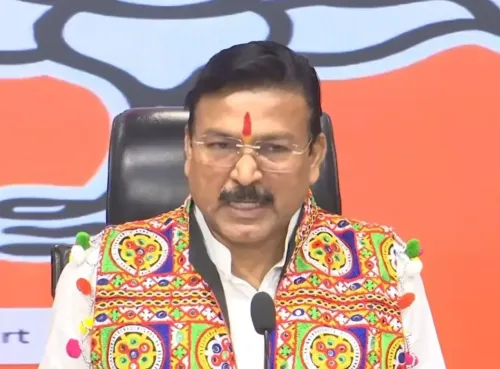
State Cultural Affairs Minister and Mumbai Suburban Guardian Minister Ashish Shelar, speaking at a press conference on Thursday, detailed a string of welfare measures. More than 3,000 teachers have been appointed on a contractual basis in ashram schools as a temporary measure, given restrictions on regular recruitment. Dedicated attendants have also been placed in tribal ashram schools to look after students' health.
A scholarship scheme bearing the name of Veer Raghoji Bhangre has been launched for meritorious students, while competitive examination preparatory training centres for tribal students have been established in all districts of the state. For tribal women's economic empowerment, the Rani Durgavati Women Empowerment Scheme has been introduced, modelled on the UMED initiative and women's self-help group frameworks.
Tribal Research and Community Outreach
The government has decided to establish a university-level study centre dedicated to the research, customs, traditions and history of tribal culture. A survey based on the 2011 Census has been conducted to better understand tribal population needs. Special development packages have been approved for particularly vulnerable tribal groups — the Kolam, Katkari and Madia communities — as well as for the upliftment of the Pardhi community, a backward and nomadic tribal group. Decisions on Direct Benefit Transfer (DBT) and tribal recruitment have also been announced, according to Minister Shelar.
Tree Plantation Drive in Mumbai Suburban District
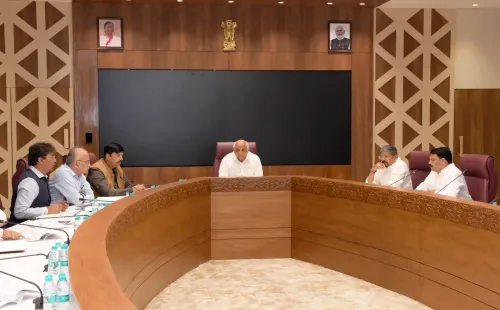
In his capacity as Guardian Minister of Mumbai Suburban district, Minister Shelar also chaired a review meeting on environmental issues. The state government has set a target of planting 300 crore trees over the next 20 years, with dedicated commissions and nurseries being established to meet this goal. Mumbai Suburban district has been assigned a target of 5 lakh trees, of which 2,12,390 have already been planted. Techniques including the Miyawaki method, geo-mapping and regular digital monitoring are being employed to ensure not just planting but survival and healthy growth of trees.
Point of View
Chief Minister and Deputy Chief Ministers all converging on Gadchiroli, the optics are unmistakably electoral. Maharashtra has a substantial Scheduled Tribe electorate, and the cascade of scheme announcements — from the Rani Durgavati empowerment scheme to new ashram school teachers — suggests the government is using Janjatiya Gaurav Divas as a policy delivery moment rather than a ceremonial one. Whether these measures translate into durable outcomes depends on implementation timelines and budgetary follow-through, neither of which was specified at the press conference. The 2011 Census-based tribal survey is also overdue for an update — using 15-year-old data to frame welfare targeting is a structural limitation the government has not yet addressed.
NationPress
12 Nov 2026
Frequently Asked Questions
What is Bhagwan Birsa Munda Gaurav Din Saptah in Maharashtra?
It is a week-long state programme held from 11 to 18 November 2026 to commemorate the birth anniversary of tribal icon Bhagwan Birsa Munda and the national Janjatiya Gaurav Divas on 15 November. The week features daily welfare events covering education, health, economic empowerment and cultural outreach for Scheduled Tribe communities across Maharashtra.
What is the main event on 15 November during the Saptah?
A state-level programme will be held in Gadchiroli on 15 November in the presence of the Governor, Chief Minister and Deputy Chief Ministers. Floral tributes will be paid to Bhagwan Birsa Munda, and saints and spiritual leaders associated with the tribal community will be felicitated.
What new welfare schemes were announced for tribal communities?
The Rani Durgavati Women Empowerment Scheme has been launched for tribal women, modelled on the UMED self-help group framework. A scholarship in the name of Veer Raghoji Bhangre has also been introduced for meritorious tribal students, alongside competitive exam training centres in all districts and plans for a university-level tribal culture study centre.
How many teachers have been appointed for tribal ashram schools?
More than 3,000 teachers have been appointed on a contractual basis in ashram schools as a temporary measure, given existing restrictions on regular government recruitment. The government has also decided to appoint dedicated teachers for arts, sports and music in tribal schools.
What is Maharashtra's tree plantation target and how much has been achieved?
The Maharashtra government has set a target of planting 300 crore trees over 20 years. Mumbai Suburban district alone has a target of 5 lakh trees, of which 2,12,390 have already been planted using techniques such as the Miyawaki method, geo-mapping and digital monitoring.