Tribal communities must pursue education and self-reliance: Maharashtra Governor
Synopsis
At a Mumbai ceremony marking Birsa Munda's 126th martyrdom anniversary, Maharashtra's Governor, Chief Minister and Deputy CM converged on a single message: education and self-reliance are the new instruments of tribal empowerment. With directives issued to preserve tribal culture and expand student welfare, the state is signalling a policy push — but delivery on the ground remains the real test.
Key Takeaways
Maharashtra Governor Jishnu Dev Varma called on tribal communities to pursue education, skill development and self-reliance at a Mumbai event on Tuesday .
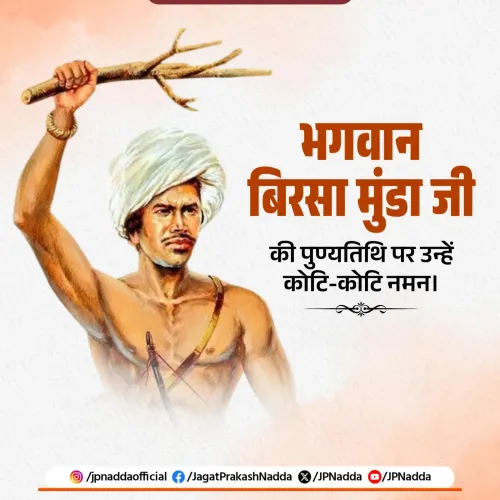
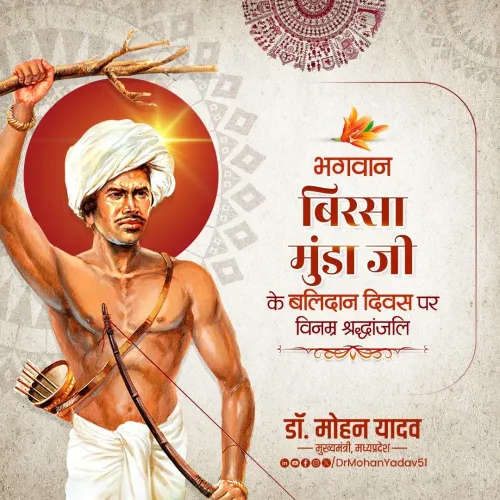
The programme marked the 126th martyrdom anniversary of tribal freedom fighter Birsa Munda .
The Tribal Development Department has been directed to prepare a comprehensive action plan for preserving tribal art, dance and music.
The TRTI has been instructed to document the history, culture and traditions of tribal communities across India.
Deputy CM Eknath Shinde cited smart Ashram schools, PhD scholarships and financial aid for overseas education among active tribal student initiatives.
Industrial development in remote areas like Gadchiroli is being promoted to create employment for tribal youth.
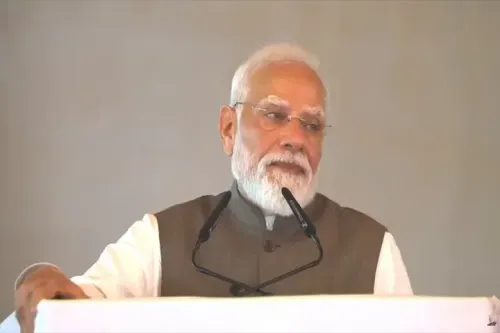
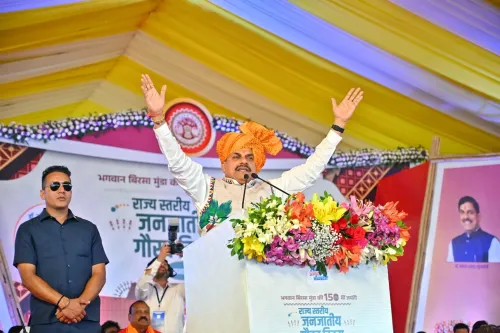
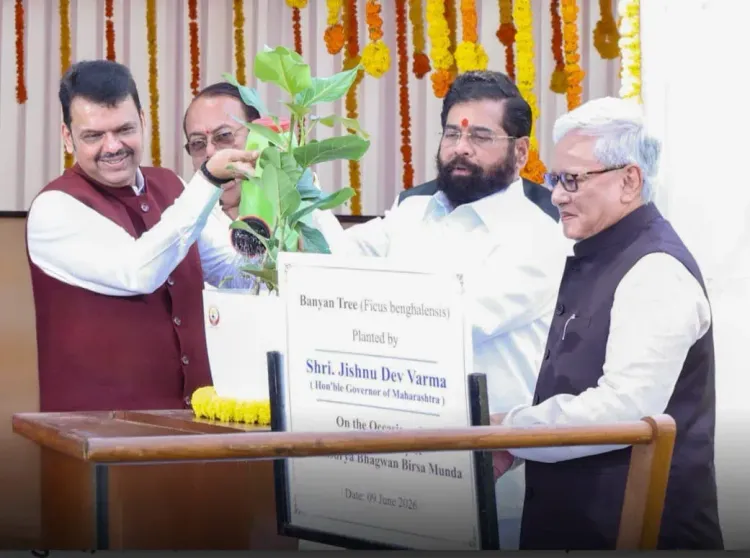
Maharashtra Governor Jishnu Dev Varma on Tuesday urged tribal communities to embrace education, skill development, innovation and self-reliance as pathways to nation-building, speaking at a programme in Mumbai marking the 126th martyrdom anniversary of tribal freedom fighter Birsa Munda.
Governor's Call to Tribal Communities
Governor Varma paid tribute to Birsa Munda, noting that in a life of just 25 years, the tribal icon sparked a sweeping social, cultural and political awakening. 'His struggle against superstition, addiction, social evils and divisive forces continues to inspire people even today,' the Governor said.
Varma underlined that education remains 'the greatest force that makes an individual self-reliant and capable,' and called on parents to encourage their children — particularly girls — to pursue higher education. He highlighted that the state government provides free hostels, meals and other facilities for tribal students to ease access to schooling.
Government Initiatives for Tribal Welfare
The Governor stated that both the Centre and the Maharashtra government are making continuous efforts for the holistic development of tribal communities. He credited Prime Minister Narendra Modi's commitment to tribal welfare for enabling advances in education, employment and economic empowerment.
Governor Varma also praised the legacy of the Gondwana kingdom and its rulers, urging tribal communities to reclaim that historical glory through education, skill development and economic prosperity. He stressed the need for concerted action to eliminate malnutrition, illness and addiction from tribal society.
On the cultural preservation front, the Governor said the Tribal Development Department has been directed to prepare a comprehensive action plan for safeguarding tribal art, dance and music. The Tribal Research and Training Institute (TRTI) has also been instructed to document the history, culture, traditions and knowledge systems of tribal communities across the country.
Chief Minister and Deputy CM Speak
Chief Minister Devendra Fadnavis described Birsa Munda as 'a great revolutionary leader' who shook the foundations of British rule in his brief 25-year life. 'His sacrifice continues to inspire tribal communities with values of self-respect, struggle and patriotism,' Fadnavis said.
The Chief Minister recalled that Birsa Munda not only led an armed struggle against colonial attempts to strip tribal communities of rights over water, forests and land, but also united and awakened those communities. He reaffirmed the state government's commitment to preserving tribal culture and ensuring all-round development through education, healthcare, employment and welfare initiatives.
Deputy Chief Minister Eknath Shinde outlined a range of measures for tribal students, including smart Ashram schools, higher education opportunities, guidance for medical and engineering admissions, PhD scholarships and financial assistance for overseas education. He added that the state is promoting industrial development in remote areas such as Gadchiroli to generate local employment, calling the mainstreaming of tribal communities 'a collective responsibility of both the government and society.'
Tribal Development Minister's Remarks
Maharashtra Tribal Development Minister Ashok Uike acknowledged that many talented individuals from tribal communities had historically been denied adequate opportunities. 'Due to government initiatives, they now have a platform to showcase their art, ideas and traditions to a wider audience,' he said.
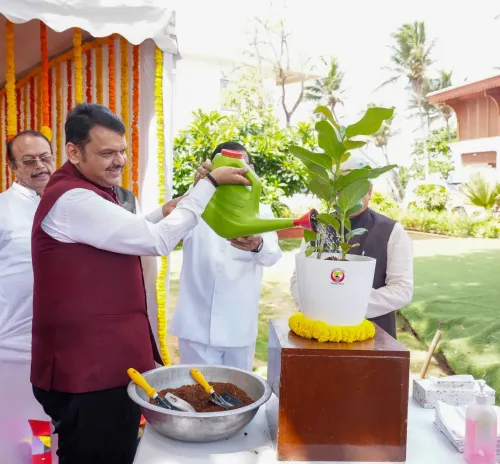
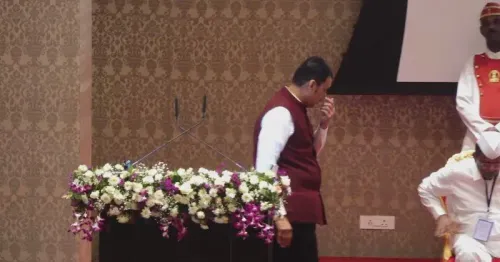
The event underscored a renewed political consensus around tribal welfare in Maharashtra, with the state's top leadership aligning behind education and economic empowerment as the primary instruments of change. How swiftly these commitments translate into measurable outcomes on the ground will be closely watched.
Point of View
Yet similar instructions have been issued in previous years with uneven follow-through. The more telling signal will be whether the Gadchiroli industrial push and the student scholarship pipeline produce verifiable enrolment and employment numbers, rather than remaining aspirational targets announced from a podium.
NationPress
29 Jul 2026
Frequently Asked Questions
Why was the event held in Mumbai on Tuesday?
The event was organised to mark the 126th martyrdom anniversary of tribal freedom fighter Birsa Munda, who died at the age of 25 after leading a significant movement against British colonial rule. Maharashtra's Governor, Chief Minister and Deputy Chief Minister all attended and addressed the gathering.
What did Maharashtra Governor Jishnu Dev Varma say about tribal education?
Governor Varma stated that education is 'the greatest force that makes an individual self-reliant and capable' and urged parents to encourage children, especially girls, to pursue higher education. He noted that the state government already provides free hostels, meals and other facilities for tribal students.
What cultural preservation steps has the Maharashtra government announced?
The Tribal Development Department has been directed to prepare a comprehensive action plan for preserving tribal art, dance and music. Separately, the Tribal Research and Training Institute (TRTI) has been instructed to document the history, culture, traditions and knowledge systems of tribal communities across the country.
What welfare schemes for tribal students did Deputy CM Eknath Shinde mention?
Shinde cited smart Ashram schools, guidance for medical and engineering admissions, PhD scholarships and financial assistance for overseas education as active initiatives. He also highlighted industrial development in Gadchiroli as a means of creating local employment for tribal youth.
Who was Birsa Munda and why is he significant?
Birsa Munda was a tribal freedom fighter who, in a life of just 25 years, led a social, cultural and political awakening among tribal communities and mounted an armed resistance against British colonial attempts to strip tribes of rights over water, forests and land. He is widely regarded as a symbol of tribal self-respect and patriotism in India.