Zeenat Aman on 'sex symbol' label: 'The woman behind the persona was quite the opposite'

Synopsis
Zeenat Aman — the woman who defined Bollywood's idea of bold femininity across films like 'Hare Rama Hare Krishna' and 'Satyam Shivam Sundaram' — says the 'sex symbol' label was always just a costume. In a candid Instagram reflection, she reveals the person behind the persona was private, introverted, and indifferent to correcting what the world thought it knew about her.
Key Takeaways
Zeenat Aman reflected on her 'sex symbol' label in a recent Instagram post, saying the public image contrasted sharply with her private personality.
She described herself as 'private by nature, a little introverted, and happiest when immersed in my work.' Aman said she has made peace with the gap between perception and reality, writing that 'people are entitled to their perceptions, just as we are entitled to our truths.' Her iconic status was built on films including 'Hare Rama Hare Krishna' ( 1971 ), 'Yaadon Ki Baaraat' ( 1973 ), and Raj Kapoor's 'Satyam Shivam Sundaram' ( 1978 ).
In the post, she invited followers to share their own experiences of being misread or misjudging others.
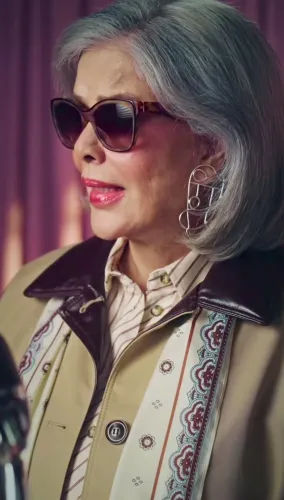
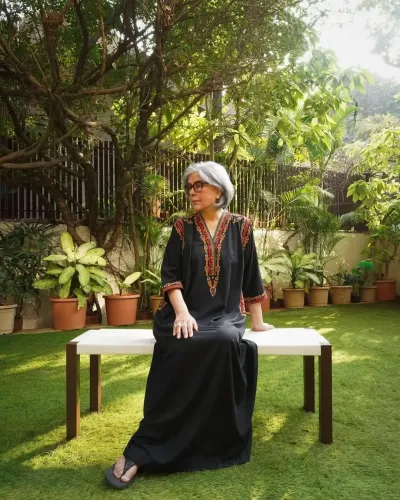
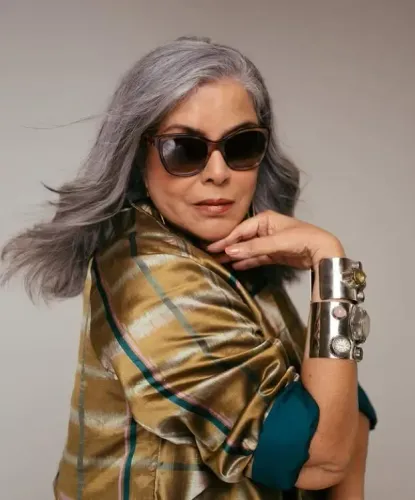
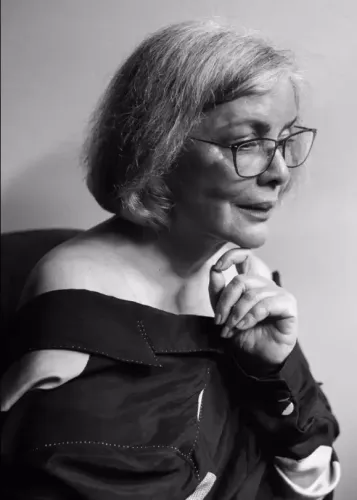
Veteran actress Zeenat Aman has candidly reflected on her decades-long identity as Bollywood's original 'sex symbol', revealing in a recent Instagram post that her public image bore little resemblance to who she truly was — a private, introverted woman most at home in her work. The post, shared alongside stylish photographs of the actress, has reignited conversation about how the film industry shapes and often distorts the personas of its stars.
The Label and the Reality
In her own words, Aman acknowledged that the 'sex symbol' tag came with the territory of cinema and was something she understood as part of the business. 'I embraced my work wholeheartedly, but the woman behind the camera-ready persona was, in many ways, quite the opposite. Private by nature, a little introverted, and happiest when immersed in my work,' she wrote.
The admission is striking given how thoroughly her screen presence defined a generation's idea of bold, modern femininity in Hindi cinema. Yet Aman's reflection draws a clear line between the performer and the person — a distinction, she suggests, that the public rarely gets to see.
On Perception and Public Life
Zeenat extended her thoughts beyond her own experience, meditating on how perception works more broadly. 'Life has taught me that people rarely see us exactly as we are. They see us through the lens of their own experiences, expectations, and sometimes, their imagination,' she wrote. She noted that to one person, a public figure may seem mysterious; to another, intimidating; and to a stranger on a long flight, an unexpectedly candid companion.
Notably, she said she has made peace with this gap between image and reality. 'I've come to believe there is little point in correcting every impression. People are entitled to their perceptions, just as we are entitled to our truths. The two need not always coincide,' she added.
A Career That Defined an Era
Aman's persona as Bollywood's glamour trailblazer was shaped by a string of landmark films. Her role in Dev Anand's 'Hare Rama Hare Krishna' (1971) — particularly the iconic 'Dum Maro Dum' sequence — made her a countercultural symbol. She followed that with 'Yaadon Ki Baaraat' (1973) before Raj Kapoor's 'Satyam Shivam Sundaram' (1978) further cemented her as an unconventional and bold screen presence. Her portrayal of Rupa in the latter remains one of Hindi cinema's most discussed performances for its audacity.
Looking Inward, Inviting Others to Do the Same
In the closing lines of her post, Aman turned the conversation outward, inviting her followers to examine their own experiences of being misread — or misreading others. 'Perhaps all we can do is know ourselves beyond the labels, the photographs, the headlines, and the stories others tell about us,' she wrote. She asked her audience whether they had ever discovered that someone had quite the wrong idea about them, or that they had misjudged someone themselves, adding, 'I suspect we all have a story or two. And I'd rather enjoy hearing yours.'
In the accompanying photographs, Aman is seen dressed in an all-black outfit paired with high boots and dark glasses, seated on a chair and posing with characteristic ease. As she continues to engage her social media following with thoughtful, personal reflections, the veteran star appears to have found a new platform — and a new audience — for conversations she was perhaps never given space to have at the height of her fame.
Point of View
Unsolicited correction to a decades-old narrative. Bollywood's publicity machinery in the 1970s was relentless in packaging women into bankable types, and 'sex symbol' was the category with the shortest expiry date. What Aman describes — a private introvert who understood the business and played along — suggests agency, not victimhood, which is a more complex story than either her fans or critics have typically told. Her willingness to sit with unresolved perceptions, rather than seek to correct them, also reflects a maturity that younger celebrities performing 'authenticity' on social media might study closely. The bigger question is why it took until her veteran years to say it — and what that says about the industry's appetite for truth from its women while they are still commercially active.
NationPress
28 Oct 2026
Frequently Asked Questions
What did Zeenat Aman say about being called a 'sex symbol'?
Zeenat Aman said she understood the 'sex symbol' label as part of the business of cinema and embraced her work wholeheartedly, but clarified that the woman behind the persona was 'private by nature, a little introverted, and happiest when immersed in my work.' She shared these reflections in a recent Instagram post alongside stylish photographs of herself.
Which films made Zeenat Aman a Bollywood icon?
Zeenat Aman's iconic status was built largely on 'Hare Rama Hare Krishna' (1971), 'Yaadon Ki Baaraat' (1973), and Raj Kapoor's 'Satyam Shivam Sundaram' (1978). Her bold and unconventional screen presence across these films shaped Bollywood's idea of modern femininity in that era.
What did Zeenat Aman say about public perception?
Aman wrote that people rarely see others as they truly are, viewing them instead through the lens of their own experiences and expectations. She said she has stopped trying to correct every impression, believing that 'people are entitled to their perceptions, just as we are entitled to our truths.'
Where did Zeenat Aman share these reflections?
Zeenat Aman shared her thoughts in an Instagram post accompanied by photographs of herself dressed in a black outfit with high boots and dark glasses. The post has drawn wide attention for its candid and philosophical tone.
Is Zeenat Aman still active on social media?
Yes, Zeenat Aman is active on Instagram where she regularly shares personal reflections, photographs, and commentary on her life and career. Her posts have built a significant following drawn to her thoughtful and unfiltered perspective on fame, identity, and ageing in public life.