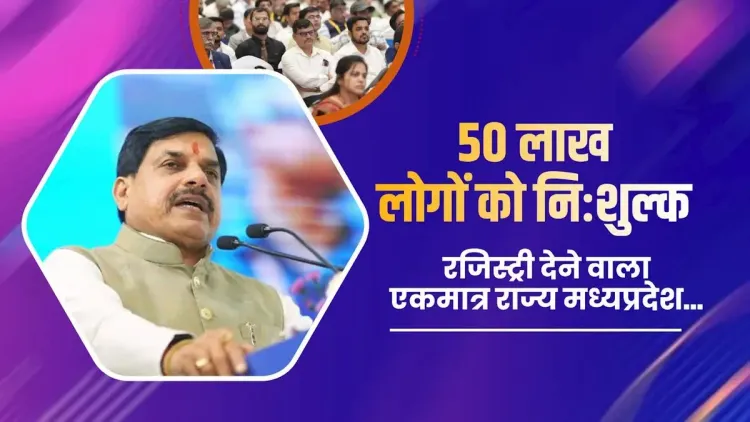
CM Mohan Yadav: MP Giving Free Land Titles to 50 Lakh Rural Families
Synopsis
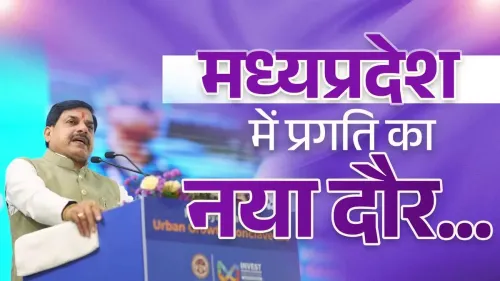
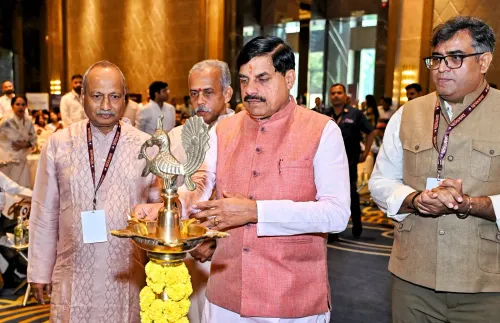
Madhya Pradesh CM Dr. Mohan Yadav announced at the MP Urban Growth Conclave that the state is the only one in India providing free property registration to 50 lakh rural families, building on the central SVAMITVA land-titling framework.
Key Takeaways
Madhya Pradesh claims to be the only Indian state offering free home registration to rural families.
The initiative targets 50 lakh rural households , granting them formal ownership documents at no cost.
The announcement was made by CM Dr.
Mohan Yadav at the #MPUrbanGrowthConclave on October 28, 2026 .
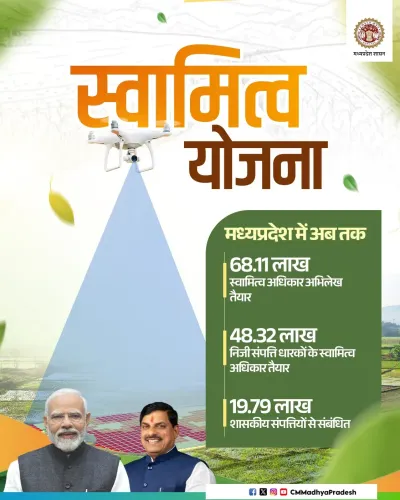
The programme builds on the central government's SVAMITVA scheme , launched in 2020 , which uses drone surveys to issue rural property cards.
Formal land titles give rural families legal security, access to credit, and protection from property disputes.
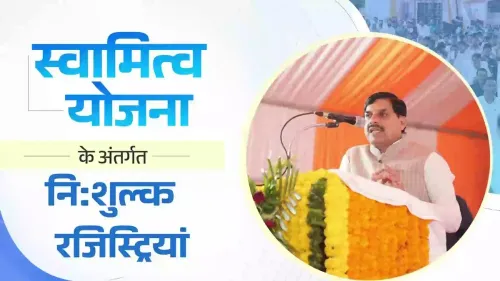
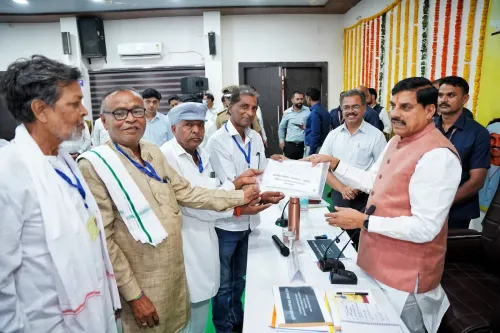
In a claim that puts Madhya Pradesh at the centre of India's rural land-rights conversation, Madhya Pradesh Chief Minister Dr. Mohan Yadav declared on Wednesday, October 28, 2026 that his state is the country's only one providing free property registration to 50 lakh rural families — handing them formal ownership of their homes at no cost.
The claim from the MP Urban Growth Conclave
Speaking in the context of the #MPUrbanGrowthConclave, Dr. Yadav posted: 'Madhya Pradesh desh ka ekmaatr rajya hai, jo 50 lakh gramin parivaron ko nihshulk registry karakar unke ghar ka swamitva pradan kar raha hai' — 'Madhya Pradesh is the only state in the country that is conferring home ownership on 50 lakh rural families by getting their free registration done.' The assertion is pointed and competitive: not just that MP is doing it, but that no other state is.
How free rural registration connects to SVAMITVA
The policy backdrop here matters. The SVAMITVA scheme, launched by the central government in 2020, introduced drone-based surveys across Indian villages to issue formal property cards to rural residents — many of whom had lived in their homes for generations without a legal title. The scheme was designed to reduce land disputes, unlock credit access, and bring rural housing into the formal economy.
Several states have built on this framework, rolling out their own land-titling and free-registration drives. Madhya Pradesh, a BJP-governed state, has positioned itself as a frontrunner in this space, with Dr. Yadav's government framing free registration as a direct welfare delivery to the rural poor — converting a policy instrument into a tangible ownership document in a family's hand.
What secure land titles mean for 50 lakh households
The stakes for rural families are real. Without formal title, a household cannot easily borrow against its home, cannot prove ownership in a legal dispute, and remains vulnerable to displacement. A registered title changes that equation entirely — it is collateral, it is security, it is dignity formalised on paper.
Across India, land disputes are among the most common sources of rural litigation. Programmes that resolve ambiguous ownership — especially at zero cost to the beneficiary — directly reduce that burden. The 50 lakh figure, if borne out by registration data, would represent one of the largest single-state rural land-titling efforts in the country's recent history.
Further details on registration progress and any new scheme announcements are expected to emerge from the MPUrbanGrowthConclave — a platform that signals the government's intent to frame rural land rights as central to MP's broader development story.
Point of View
The government is deliberately packaging rural land rights as part of a development narrative, not merely a welfare handout. The SVAMITVA scheme gave states a framework; how aggressively a state expands it — and waives costs for beneficiaries — becomes a political differentiator. If MP's 50 lakh registration figure is verified, it will carry significant weight in national conversations about land reform and rural formalisation ahead of future electoral cycles.
NationPress
28 Oct 2026
Frequently Asked Questions
What is Madhya Pradesh's free rural registration scheme?
Madhya Pradesh is conducting free property registration for rural families, giving them formal legal ownership of their homes at no cost. CM Dr. Mohan Yadav has stated this covers 50 lakh rural households , calling it a first-of-its-kind initiative among Indian states.
What is the SVAMITVA scheme and how is it related?
The SVAMITVA scheme was launched by the central government in 2020 to use drone surveys in villages and issue formal property cards to rural residents. Madhya Pradesh's free registration drive builds on this framework to formally transfer ownership to beneficiaries.
Why does a land title matter for rural families?
A registered property title allows rural families to legally prove ownership, access bank credit using the home as collateral, and protect themselves in land disputes. Without it, many families live in homes they cannot formally claim, leaving them financially and legally vulnerable.
What is the MP Urban Growth Conclave?
The MP Urban Growth Conclave is a platform where the Madhya Pradesh government discusses urban and rural development initiatives. CM Dr. Mohan Yadav used it on October 28, 2026 to highlight the state's rural land ownership programme.
Is Madhya Pradesh really the only state doing this in India?
CM Dr. Mohan Yadav has claimed MP is the only Indian state providing free registration to rural families at this scale. Several other states have run land-titling programmes, but the specific claim of free registration for 50 lakh families has been made by the MP government and has not been independently verified.