Has Zeenat Aman Noticed a Shift in Cinema's Perspective on Nuances?
Synopsis
In an enlightening conversation, Bollywood legend Zeenat Aman reflects on how the understanding of glamour and superficiality in cinema has transformed. She highlights the rise of diverse narratives in both mainstream and regional films, urging the importance of streaming platforms in amplifying various voices. Dive into her thoughts on iconic films and her latest documentary series.
Key Takeaways
Zeenat Aman highlights the evolution of cinema's understanding of glamour.
Streaming platforms have created opportunities for diverse storytelling.
Classic films like Hare Rama Hare Krishna and Qurbaani remain relevant in today's discussions.
Her documentary series addresses pressing global issues.
There is a growing appreciation for nuanced narratives in cinema.
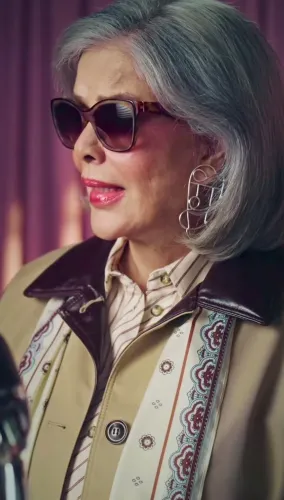
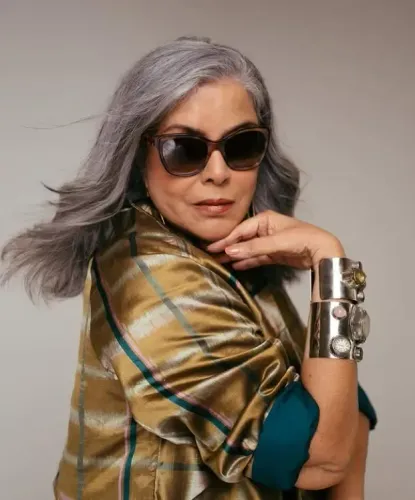
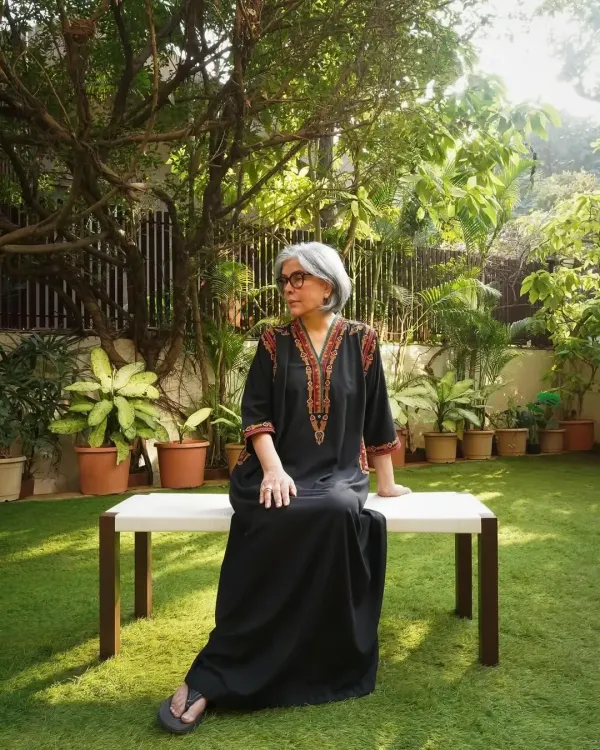
New Delhi, Nov 24 (NationPress) Acclaimed Bollywood actress Zeenat Aman, recognized for her iconic roles in cinematic masterpieces like “Hare Rama Hare Krishna”, “Qurbaani”, and “Satyam Shivam Sundaram”, believes that the dialogue surrounding “superficiality” in cinema has evolved significantly over the years.
In the past, glamour was frequently perceived as mere superficiality. However, her portrayals in films such as Hare Rama, Hare Krishna and Satyam Shivam Sundaram encapsulated profound emotional rebellion beneath their glamorous surfaces. Does she think we are witnessing a return of subtlety in today's cinema?
“Absolutely. We not only have Hindi cinema but also a wealth of regional films. There are countless diverse narratives emerging across various platforms,” Zeenat shared with IANS.
She further emphasized that streaming services have provided a platform for previously marginalized voices.
“With the rise of OTT platforms, there is a plethora of stories and incredible opportunities for both new and seasoned actors to showcase their talents,” she remarked.
Reflecting on Hare Rama Hare Krishna, released in 1971 and directed by Dev Anand, the film addresses the decline of Hippie culture, sending an anti-drug message and exploring issues tied to Westernization. It drew inspiration from the 1968 American psychedelic film Psych-Out.
Zeenat Aman's Qurbani, released in 1980, features a stellar cast including Vinod Khanna, Amjad Khan, and Kader Khan. It is believed to have been influenced by the 1972 Italian-West German film The Master Touch.
Meanwhile, Satyam Shivam Sundaram, a romantic drama from 1978, stars Shashi Kapoor alongside Zeenat Aman and delves into the contrasts between physical and spiritual love.
Her recent project includes narrating a gripping 10-part documentary series titled “Embers of Hope: The Fight for Our Future” for the Discovery Channel. Filmed in over 60 locations, each episode addresses critical issues such as global warming, pollution, population dynamics, water conservation, and biodiversity loss.
Point of View
I believe Zeenat Aman’s reflections on the evolution of cinema resonate deeply with the current cultural landscape. Her insights into the shift from superficial portrayals to nuanced storytelling signal a significant transformation in how we consume media. This is a pivotal moment for both filmmakers and audiences alike as we embrace diverse narratives.
NationPress
29 Sept 2026
Frequently Asked Questions
What films are Zeenat Aman known for?
Zeenat Aman is known for her iconic performances in films such as 'Hare Rama Hare Krishna', 'Qurbaani', and 'Satyam Shivam Sundaram'.
How has streaming impacted cinema according to Zeenat Aman?
Zeenat Aman believes that streaming platforms have opened new avenues for storytelling and allowed marginalized voices to be heard.
What themes does 'Hare Rama Hare Krishna' explore?
'Hare Rama Hare Krishna' addresses the decadence of Hippie culture and conveys an anti-drug message while examining Westernization.
What is the focus of Zeenat Aman's latest documentary?
Her latest documentary series, 'Embers of Hope: The Fight for Our Future', explores critical issues like global warming, pollution, and biodiversity loss.
What does Zeenat Aman think about the future of cinema?
Zeenat Aman is optimistic about the future of cinema, noting an increase in diverse stories being told across various platforms.