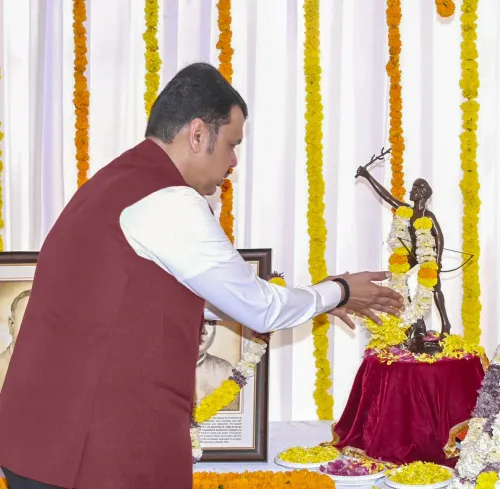
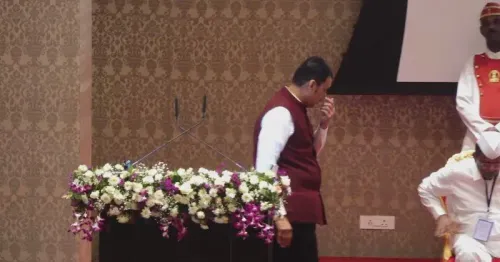
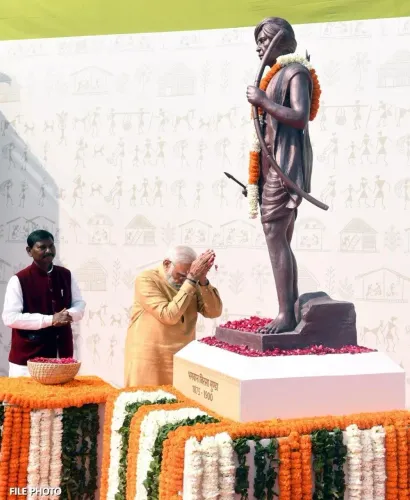
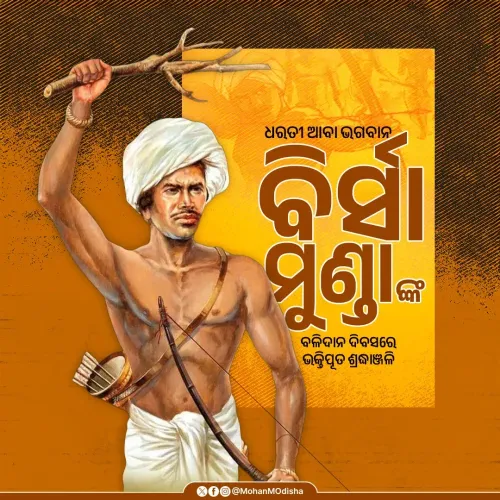
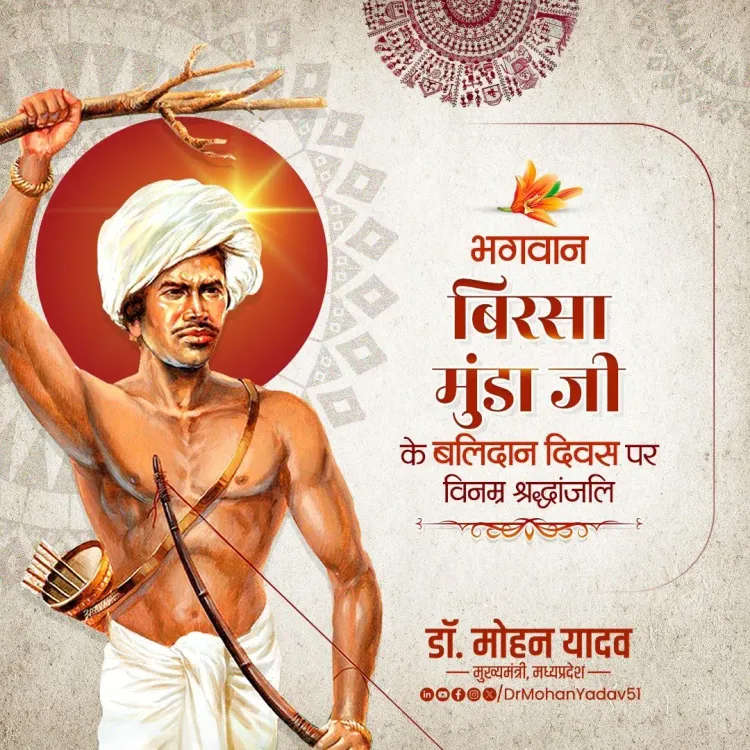
CM Mohan Yadav pays tribute to Birsa Munda on martyrdom day
Synopsis
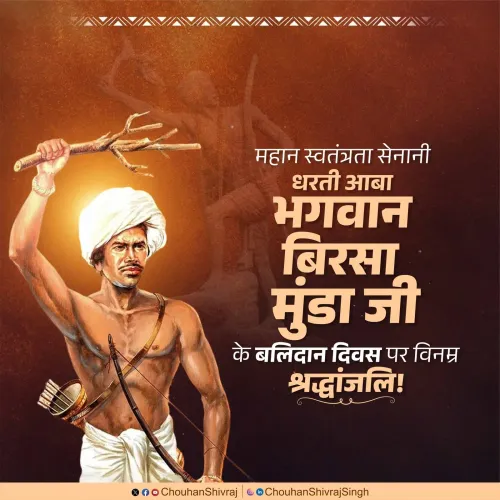
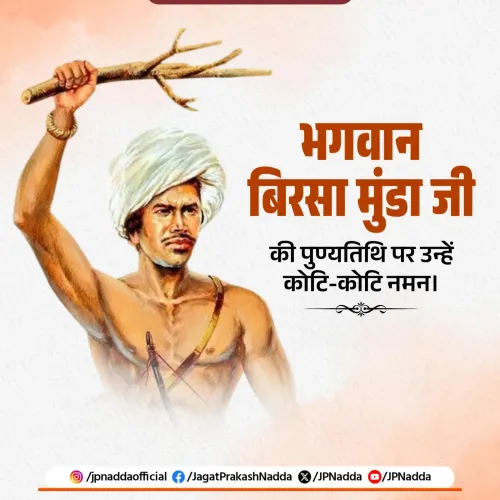
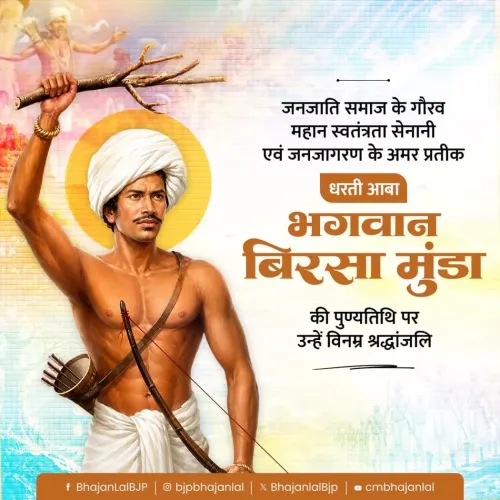
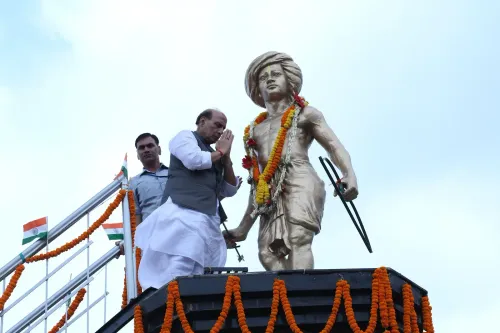
Madhya Pradesh Chief Minister Dr. Mohan Yadav on 9 June 2026 paid homage to Bhagwan Birsa Munda on his martyrdom anniversary, honouring the tribal icon's fight for jal-jungle-zameen and his role in India's freedom struggle.
Key Takeaways
Mohan Yadav , Chief Minister of Madhya Pradesh , paid tribute to Bhagwan Birsa Munda on his martyrdom anniversary on 9 June 2026 .
Birsa Munda, known as Dharti Aaba , led the Ulgulan movement for tribal land, forest and water rights before dying in British custody in 1900 .
The Government of India declared 15 November as Janjatiya Gaurav Divas in 2021 to honour Birsa Munda's birth anniversary and tribal contributions to the freedom struggle.
Madhya Pradesh has a large Scheduled Tribe population concentrated in districts including Jhabua , Alirajpur , and Mandla .
The tribute's emphasis on jal-jungle-zameen aligns with ongoing Adivasi demands around forest rights and land governance.
Madhya Pradesh Chief Minister Dr. Mohan Yadav on Tuesday, 9 June 2026 offered homage to tribal freedom fighter Bhagwan Birsa Munda on his martyrdom anniversary, honouring the 19th-century Adivasi leader's legacy of resistance against colonial rule.
Context
In his post, Dr. Yadav addressed Birsa Munda by his reverential title Dharti Aaba (Father of the Earth) and described him as a symbol of janjatiya gaurav (tribal pride). He wrote that Birsa Munda 'sacrificed everything for the protection of water, forests and land and for the freedom of the nation,' and that the nation 'will always remain grateful for his contributions.'
The tribute also recognised Birsa Munda's continuous struggle for the preservation of tribal identity and culture — themes that remain central to Adivasi political discourse across central and eastern India.
Policy Backdrop
The Government of India declared 15 November — Birsa Munda's birth anniversary — as Janjatiya Gaurav Divas in November 2021, institutionalising national recognition of tribal contributions to the freedom struggle. Annual tributes by state and central leaders on both his birth and martyrdom anniversaries have since become a regular feature of the BJP's political calendar.
Madhya Pradesh is home to a significant Scheduled Tribe population, with districts such as Jhabua, Alirajpur, and Mandla having large Adivasi communities. The state government has positioned tribal welfare as a priority, with schemes including the Forest Rights Act implementation and the PM JANMAN programme targeting particularly vulnerable tribal groups.
The phrase jal-jungle-zameen (water, forest, land) invoked in the post has deep roots in the Ulgulan movement that Birsa Munda led in the late 19th century against British land-alienation policies. Its continued use in official discourse signals an acknowledgement of long-standing Adivasi demands.
Stakeholders and Impact
Tribal communities across Madhya Pradesh and the broader Adivasi belt of central India are the primary audience for such commemorations. Birsa Munda's legacy resonates across Scheduled Tribe constituencies that hold significant electoral weight in states like Madhya Pradesh, Jharkhand, Chhattisgarh, and Odisha.
Public recognition of tribal icons by ruling-party leaders serves both a cultural and a political function — affirming the government's stated commitment to Adivasi rights while consolidating support among communities that have historically navigated complex relationships with state institutions over land and forest access.
What's Next
State-level commemorative events and possible scheme announcements are typically clustered around 15 November, when Janjatiya Gaurav Divas is observed nationally. Legislative and administrative attention to tribal land rights, forest governance, and the implementation of welfare programmes in Madhya Pradesh's Adivasi districts is expected to remain on the policy agenda in the months ahead.
Point of View
Reinforcing the party's outreach to Scheduled Tribe voters who constitute a decisive electoral bloc in Madhya Pradesh and across the central Indian tribal belt. The invocation of jal-jungle-zameen — a phrase with deep roots in Adivasi resistance — is politically significant: it positions the ruling establishment as a custodian of the very demands that historically placed tribal communities in conflict with state authority. Paired with national observances like Janjatiya Gaurav Divas and welfare programmes such as PM JANMAN, these tributes form a layered strategy that blends cultural recognition with policy signalling. Whether the symbolism translates into substantive gains on forest rights and land tenure for tribal communities remains the central question for analysts watching this space.
NationPress
19 Sept 2026
Frequently Asked Questions
Who was Bhagwan Birsa Munda and why is he remembered?
Bhagwan Birsa Munda was a 19th-century tribal leader from the Munda community who led the Ulgulan (Great Tumult) movement against British land-alienation policies, fighting for the protection of tribal water, forest and land rights. He died in British custody in 1900 and is revered as 'Dharti Aaba' or Father of the Earth.
When is Birsa Munda's martyrdom day observed?
Birsa Munda's martyrdom anniversary falls on 9 June , the date he died in British custody in 1900. His birth anniversary, 15 November , is observed nationally as Janjatiya Gaurav Divas.
What is Janjatiya Gaurav Divas?
Janjatiya Gaurav Divas is a national observance declared by the Government of India in November 2021 and held every year on 15 November — Birsa Munda's birth anniversary — to honour tribal contributions to India's freedom struggle and culture.
What does 'jal-jungle-zameen' mean in the context of tribal rights?
'Jal-jungle-zameen' translates to 'water, forest, land' and is the rallying phrase of Adivasi movements demanding community rights over natural resources. It originates in the Ulgulan movement led by Birsa Munda and remains central to tribal rights discourse in India today.
Why does Madhya Pradesh's Chief Minister pay tribute to Birsa Munda?
Madhya Pradesh has one of India's largest Scheduled Tribe populations, with significant Adivasi communities in districts like Jhabua, Alirajpur and Mandla. Paying tribute to Birsa Munda reflects both cultural recognition of tribal heritage and the political importance of tribal constituencies in the state.