Sirsa slams Sam Pitroda over 1984 Sikh riots 'move on' remarks
Synopsis
Sam Pitroda's 'why dig up 40-year-old events' defence of Sonia Gandhi's book has backfired spectacularly — Delhi Minister Manjinder Singh Sirsa has turned it into a pointed double-standard charge: if the Gandhi family can reference 50-year-old history in a memoir, they have no standing to tell the Sikh community its 1984 grief is too old to matter.
Key Takeaways
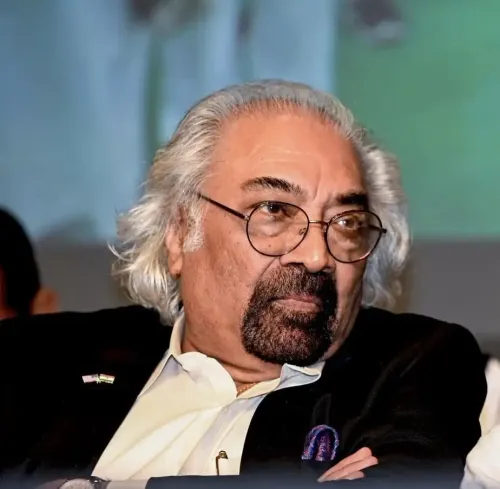
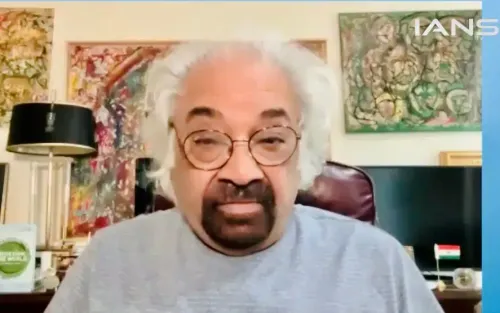
Delhi Minister Manjinder Singh Sirsa on 12 November 2026 attacked Indian Overseas Congress President Sam Pitroda over remarks dismissing the 1984 anti-Sikh killings as too old to revisit.
Pitroda said: 'What is the sense in talking about something that happened 40 years ago?' — remarks made in the context of questions about Sonia Gandhi's new book.
Sirsa alleged a double standard: Gandhi's book references 50-year-old events, yet Sikh grievances from 40 years ago are deemed irrelevant by the same leadership.
Sirsa accused the Gandhi family of using Pitroda to voice positions Congress is unwilling to state directly.
Courts continue to hear cases related to the 1984 violence , making the 'move on' framing especially contested.
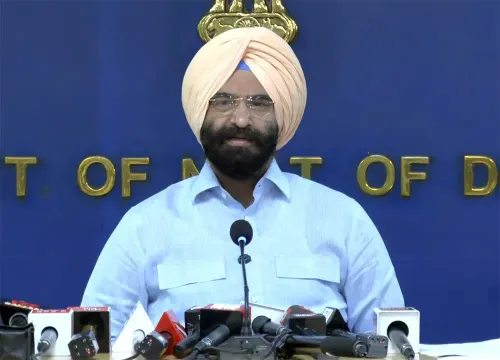
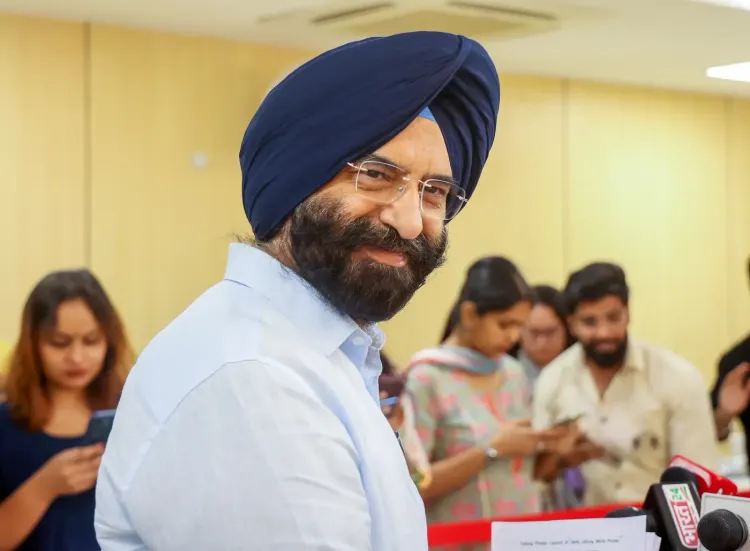
Delhi Minister Manjinder Singh Sirsa on Thursday, 12 November launched a sharp attack on Indian Overseas Congress President Sam Pitroda for questioning the relevance of revisiting the 1984 anti-Sikh killings, accusing the Gandhi family of applying a double standard to historical memory — shielding their own narrative while dismissing Sikh grievances as outdated.
What Pitroda Said
The controversy was triggered after Pitroda, speaking to reporters, questioned the utility of repeatedly revisiting events from over four decades ago. 'What is the sense in talking about something that happened 40 years ago now?' he said. 'Let the people in court and others decide. Why do we just dig things up and throw mud?' He urged a collective forward focus, adding: 'Let's design a better, prosperous, peaceful nation for everybody. That should be the agenda. Not what happened in Ram's time, or why did Hanuman go here, why did he lift the mountain?'
His remarks came in the context of Sonia Gandhi's recently released book, which references historical events, reportedly including developments from decades past.
Sirsa's Counterattack
Sirsa rejected Pitroda's framing outright, arguing that the Congress leadership uses Pitroda as a proxy to voice positions it is unwilling to own publicly. 'These people use others to wash away their sins and make Sam Pitroda say things they cannot say themselves,' he said.
The Delhi minister drew a pointed contrast: if Sonia Gandhi can write about events from 50 years ago in her book and expect them to be taken seriously, Pitroda has no standing to dismiss the 1984 anti-Sikh killings — which occurred roughly 40 years ago — as too distant to matter. 'If Sonia Gandhi writes about events from 50 years ago in her book, those matters should also be discussed,' Sirsa said.
The Double-Standard Charge
Sirsa's most pointed accusation was structural rather than merely rhetorical. He alleged that the Congress operates on an 'undeclared concept' that whatever the Gandhi family says is correct by default — meaning a 50-year-old issue they raise is legitimate, but a 40-year-old Sikh grievance is not. 'This is highly shameful,' he said, describing it as a form of selective historical justice that the Sikh community has faced repeatedly.
Notably, Sirsa also objected to Pitroda's invocation of Lord Hanuman and Lord Ram in the same breath as the riots, calling it an inappropriate conflation that trivialised both religious sentiment and historical violence.
Background and Political Context
The 1984 anti-Sikh killings, which erupted following the assassination of then Prime Minister Indira Gandhi, remain one of the most contested chapters in modern Indian political history. Courts have continued to hear cases related to the violence. Survivors and community organisations have long argued that justice remains incomplete, making Pitroda's 'move on' framing especially raw.
This is not the first time Pitroda has drawn criticism for remarks perceived as minimising the killings — a pattern that has repeatedly put the Congress on the defensive. With Sonia Gandhi's book now in circulation and drawing fresh attention to Congress-era history, the exchange signals that the 1984 question will remain a live political fault line heading into future electoral cycles.
Point of View
The party is forced into damage control rather than a coherent historical position. The 'look to the future' argument might have rhetorical force in another context, but applied to mass killings where court cases are still active, it reads as impunity dressed as pragmatism. Sirsa's double-standard frame — Gandhi book good, Sikh memory bad — is politically effective precisely because it is structurally accurate. The Congress would be better served by a clear, senior-level accounting of 1984 than by letting Pitroda repeatedly open this wound on its behalf.
NationPress
12 Nov 2026
Frequently Asked Questions
What did Sam Pitroda say about the 1984 anti-Sikh killings?
Pitroda questioned the value of repeatedly revisiting events from more than 40 years ago, saying the focus should be on building a better future rather than 'digging things up.' His remarks came in the context of questions about Sonia Gandhi's recently released book, which itself references historical events.
Why did Delhi Minister Manjinder Singh Sirsa criticise Pitroda?
Sirsa accused Pitroda of applying a double standard: Sonia Gandhi's book discusses events from 50 years ago and expects public engagement, yet Pitroda dismisses the 1984 anti-Sikh killings — which occurred about 40 years ago — as too dated to discuss. He called this 'highly shameful' and alleged Congress uses Pitroda to voice positions it cannot take directly.
What is Sonia Gandhi's book about, and why is it relevant here?
Sonia Gandhi's recently released book reportedly covers historical events from decades past. Sirsa used its publication to highlight what he described as a selective approach to historical memory — the Gandhi family engaging with its own chosen history while dismissing Sikh claims rooted in a comparable timeframe.
Why do the 1984 anti-Sikh killings remain politically sensitive?
The 1984 violence, which followed the assassination of Prime Minister Indira Gandhi, led to mass killings of Sikhs across India. Courts continue to hear related cases, and many survivors and community groups argue justice remains incomplete — making 'move on' rhetoric particularly controversial.
Is this the first time Pitroda has faced backlash over 1984 remarks?
No. Pitroda has drawn criticism on multiple previous occasions for statements perceived as minimising the 1984 killings, repeatedly placing the Congress on the defensive over its handling of the issue and its legacy in the Sikh community.