CM Fadnavis Reviews Mumbai Police Tech Push for Smarter Policing
Synopsis
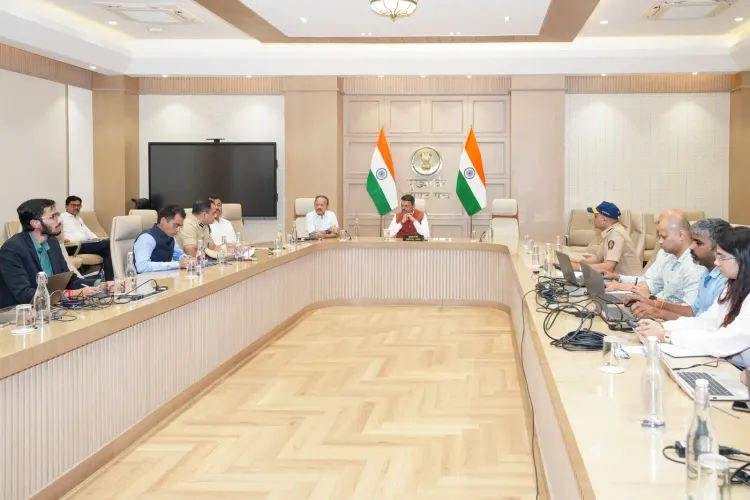
Chief Minister Devendra Fadnavis received a technology briefing from Mumbai Police on 12 November 2026, covering initiatives to make policing more citizen-friendly, speed up criminal investigations, and improve conviction rates, with the Police Commissioner and senior officers present.
Key Takeaways
CM Devendra Fadnavis was briefed by Mumbai Police on technology-driven policing initiatives on 12 November 2026 .
The initiatives aim to provide easier citizen services , accelerate criminal investigations, and raise conviction rates .
The Mumbai Police Commissioner and other senior officers attended the presentation.
The briefing connects to the national CCTNS framework (launched 2009) and the broader Digital India modernisation push for law enforcement.
Maharashtra under Fadnavis has consistently prioritised administrative and technology reform as governance pillars.
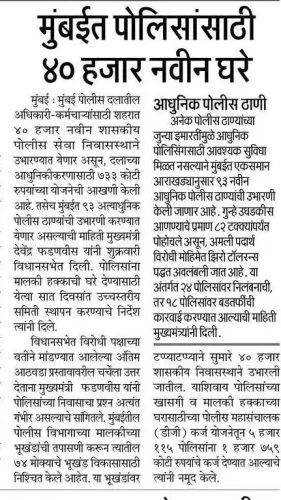
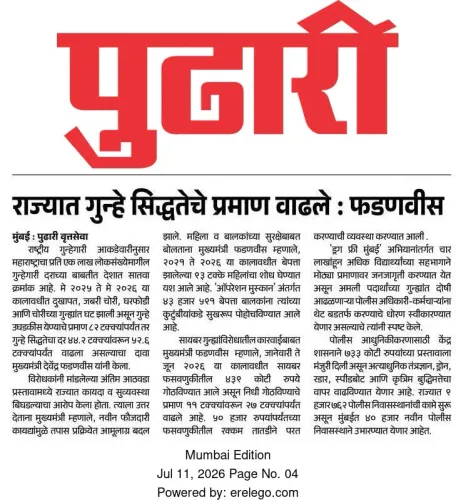
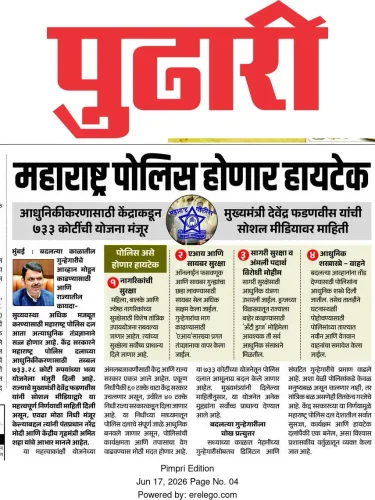
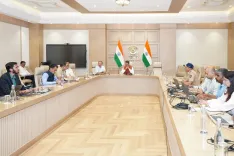
Mumbai Police walked Chief Minister Devendra Fadnavis through a suite of technology-driven initiatives on Thursday, 12 November 2026 — a demonstration aimed squarely at making the city's law enforcement faster, more accurate, and more accessible to ordinary citizens. The briefing, attended by the Mumbai Police Commissioner and senior officers, signals Maharashtra's intent to anchor public safety in data and digital tools, not just manpower.
The Chief Minister's Office of Maharashtra shared details of the presentation in Marathi, noting that the technologies on display are designed to deliver three outcomes: 'सामान्य नागरिकांना सुलभ सेवा' (easier services for ordinary citizens), faster criminal investigation, and a higher rate of successful prosecution — conviction rates that hold up in court.
What Mumbai Police Showed Fadnavis
While the precise tools demonstrated remain unconfirmed in public record, the thrust is consistent with a decade-long national drive to digitise policing. The Crime and Criminal Tracking Network and Systems (CCTNS), launched in 2009, laid the groundwork by digitising police records and enabling inter-state coordination. Maharashtra's latest push appears to build on that foundation — moving from basic digitisation toward tools that can actively speed up case timelines and improve evidence trails.
Mumbai Police, the primary law enforcement agency for India's financial capital, has periodically modernised its investigative and citizen-service infrastructure. A higher conviction rate — one of the stated goals of this initiative — is a metric that cuts through political noise: it means charges that stick, cases that close, and victims who see outcomes.
Maharashtra's Digital Governance Arc
Devendra Fadnavis, who has served multiple terms as Maharashtra's Chief Minister, has consistently emphasised administrative and technology reform as governance pillars. This briefing fits neatly into that arc, and into the broader Digital India framework that has pushed state police forces to modernise their backend infrastructure, public-facing portals, and investigative databases.
For Mumbai's residents — roughly 20 million people in one of the world's densest urban environments — the practical stakes are real: quicker FIR filing, better tracking of complaints, and investigations that do not stall for want of data.
The question now is whether these demonstrated capabilities translate into measurable changes in case-disposal times and conviction rates — the numbers that will tell citizens whether the technology briefing was a preview of change or a well-lit PowerPoint.
Point of View
Not merely a law-and-order one, which broadens its political appeal. The focus on conviction rates is particularly pointed: it ties technology investment to a courtroom outcome that is independently verifiable. Maharashtra's repeated cycles of police-tech announcements, however, mean the credibility of this latest round will ultimately rest on data — case-disposal timelines and prosecution success metrics that the government has not yet committed to publishing. If those numbers materialise, the initiative strengthens Fadnavis's reform credentials ahead of any future electoral cycle; if they don't, the briefing risks becoming another headline without a scorecard.
NationPress
12 Nov 2026
Frequently Asked Questions
What technology did Mumbai Police present to CM Fadnavis?
Mumbai Police presented a range of technology-driven policing initiatives to CM Devendra Fadnavis on 12 November 2026. The specific tools have not been officially detailed, but the stated goals include easier citizen services, faster criminal investigation, and higher conviction rates.
Who attended the Mumbai Police technology briefing with CM Fadnavis?
The Mumbai Police Commissioner and other senior police officers were present at the briefing alongside Chief Minister Devendra Fadnavis.
What is CCTNS and how does it relate to Mumbai Police modernisation?
The Crime and Criminal Tracking Network and Systems (CCTNS), launched in 2009, is a national project to digitise police records and improve coordination across states. Maharashtra's current technology push builds on this foundation by targeting faster investigations and improved prosecution outcomes.
How will Mumbai Police technology help ordinary citizens?
The initiatives are designed to make services more accessible to ordinary citizens — including easier complaint filing and tracking — while also speeding up criminal investigations and improving the rate at which cases result in convictions.
What is Devendra Fadnavis's track record on police reform in Maharashtra?
Devendra Fadnavis has served multiple terms as Maharashtra Chief Minister and has consistently emphasised technology integration and administrative reform. Policing modernisation has been a recurring theme across his tenures, aligned with national Digital India goals.