CM Bhajanlal Orders Fast-Track Redevelopment of Tanot Mata Temple
Synopsis
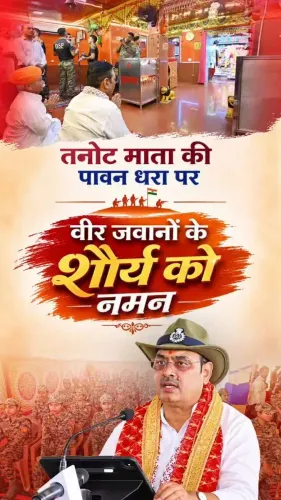
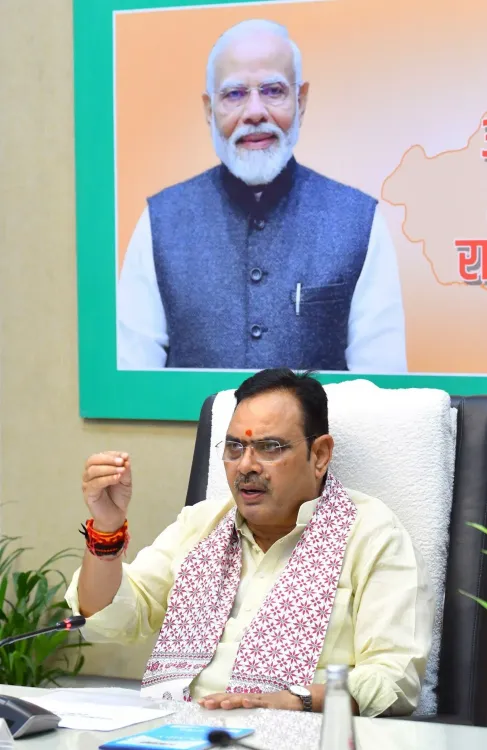
Chief Minister Bhajanlal Sharma chaired a detailed review of the Tanot Mata Temple redevelopment project on 12 November 2026, directing officials to fast-track pilgrim facilities — including accommodation and parking — at the iconic Jaisalmer border shrine.
Key Takeaways
CM Bhajanlal Sharma reviewed the Tanot Mata Temple redevelopment project at his official residence on 12 November 2026 and ordered officials to speed up work.
The redevelopment plan includes improved pilgrim accommodation , parking facilities , and other visitor amenities at the temple complex.
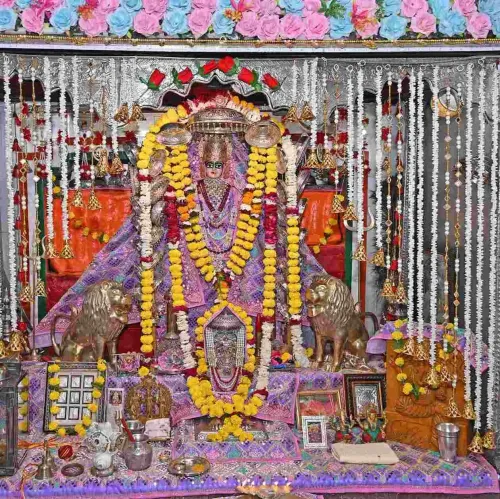
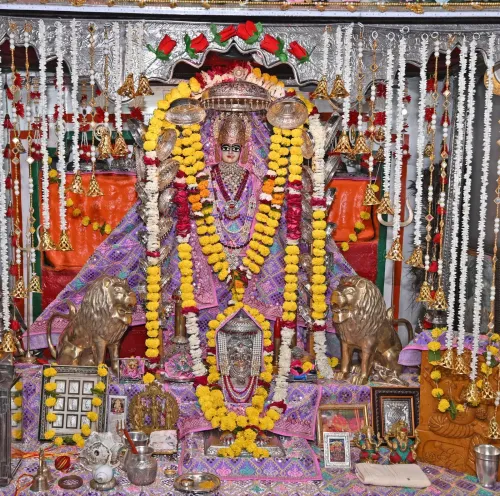
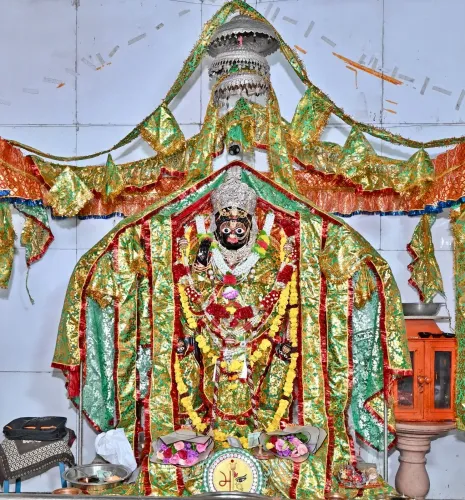
Tanot Mata Temple in Jaisalmer district is a world-famous shrine near the India-Pakistan border, known for surviving the 1971 war unscathed.
The Rajasthan government has framed the project as part of a 'holistic development' strategy to manage large and growing pilgrim footfall at the site.
No specific budget, completion deadline, or executing department was disclosed in the official communication — formal project details are yet to be announced.
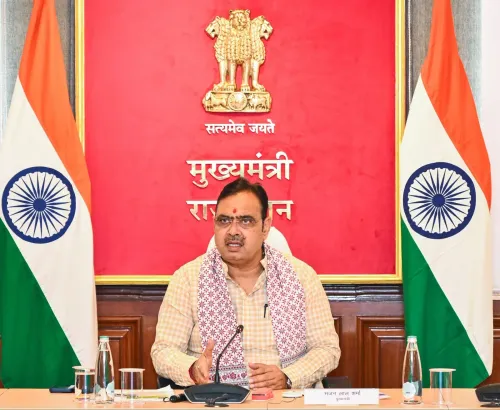
A border shrine that survived a war is about to get a modern makeover — on the Chief Minister's direct orders. Chief Minister Bhajanlal Sharma chaired a detailed review of the Tanot Mata Temple redevelopment project at his official residence on Thursday, 12 November 2026, directing officials to accelerate work and ensure timely completion of the upgrades at one of Rajasthan's most iconic pilgrimage destinations.
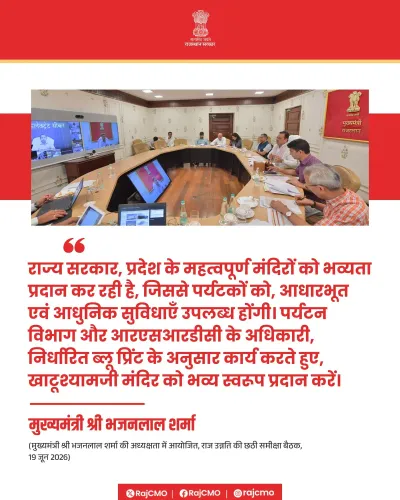
The Chief Minister's Office of Rajasthan posted on X: 'मुख्यमंत्री श्री भजनलाल शर्मा ने मुख्यमंत्री निवास पर, तनोट माता मंदिर की पुनर्विकास परियोजना की विस्तृत समीक्षा करते हुए, अधिकारियों को कार्यों में तेजी लाने और समय पर पूरा करने के निर्देश दिए।' ('Chief Minister Shri Bhajanlal Sharma, while conducting a detailed review of the Tanot Mata Temple redevelopment project at the Chief Minister's residence, directed officials to expedite work and complete it on time.')
A War-Tested Shrine and the Pilgrim Surge It Draws
Tanot Mata Temple, located deep in Jaisalmer district near the India-Pakistan border, occupies a singular place in Indian religious and military memory. The temple gained international renown after it emerged unscathed from heavy Pakistani shelling during the 1971 war — a survival widely regarded by devotees as a miracle of the goddess. That legend has since drawn a steadily growing tide of pilgrims, tourists, and ex-servicemen, turning a remote desert shrine into a major religious destination that strains its existing facilities.
Sharma acknowledged this directly, stating that large numbers of devotees visit the world-famous temple for darshan (a sacred audience with the deity), and that the state government has drawn up a plan for the temple's comprehensive development to serve them better. Among the facilities planned are upgraded infrastructure for pilgrim accommodation (yatri ठहराव) and parking, alongside a range of other amenities.
What the Redevelopment Envisions
The state government's plan — described as a 'holistic development' (समग्र विकास) scheme — targets the full visitor experience at the temple complex. Improved rest facilities for travellers making the long journey through the Thar Desert, organised parking for the buses and private vehicles that arrive in numbers, and upgraded general amenities are the cornerstones of what has been announced. The redevelopment aligns with Rajasthan's broader push to channel religious tourism into western border districts, an effort successive state governments have pursued since the early 2000s but which has gained sharper focus under the current BJP administration.
Sharma, who assumed office as Chief Minister in December 2023, has positioned religious tourism infrastructure as a development pillar for the state's peripheral districts. The hashtag #आपणो_अग्रणी_राजस्थान ('Our Leading Rajasthan') attached to the post signals the administration's intent to frame such projects within its flagship governance narrative.
Officials Put on Notice for Timely Delivery
The tone of the review meeting was clearly one of accountability — the CM did not merely survey plans but issued explicit directives to accelerate execution. That framing matters: redevelopment projects at remote religious sites in India have historically slipped on timelines due to logistical and procurement challenges. By placing the project under personal review at his residence, Sharma has set a political signal that delay will carry cost.
Specific budget figures, project completion deadlines, and the names of executing departments were not disclosed in the official communication. What to watch next: formal announcements from the Rajasthan Public Works Department or the state tourism ministry on scope, cost, and phased milestones.
When a border goddess's shrine finally gets the infrastructure its devotees deserve, the politics and the pilgrimage converge — and the Chief Minister just made sure the clock is ticking.
Point of View
Not merely a cultural gesture. Tanot Mata's location near the India-Pakistan border adds a soft-power dimension: developing the site deepens the intertwining of patriotic military memory and Hindu pilgrimage in the state's political narrative. The directive to 'expedite and complete on time' also reflects a broader accountability push, signalling to bureaucracy that high-visibility heritage projects will be monitored at the top. If timelines are met, it strengthens the administration's 'Leading Rajasthan' brand ahead of future electoral cycles.
NationPress
12 Nov 2026
Frequently Asked Questions
What is the Tanot Mata Temple redevelopment project in Rajasthan?
It is a state government scheme to comprehensively upgrade the Tanot Mata Temple complex in Jaisalmer, covering new facilities for pilgrim accommodation, parking, and other visitor amenities to handle the large number of devotees who visit the historic shrine.
Where is Tanot Mata Temple located?
Tanot Mata Temple is located in Jaisalmer district in western Rajasthan, close to the India-Pakistan border in the Thar Desert region.
Why is Tanot Mata Temple famous?
The temple is renowned for reportedly surviving Pakistani artillery shelling unscathed during the 1971 India-Pakistan war , an event devotees regard as a divine miracle, making it a major site of religious and patriotic significance.
What did CM Bhajanlal Sharma say about the Tanot Mata Temple project?
CM Sharma said that a large number of devotees visit the world-famous Tanot Mata Temple for darshan, and that the state government has planned a holistic development of the temple including improved accommodation and parking for pilgrims. He directed officials to accelerate work and ensure timely completion.
When did Bhajanlal Sharma become Chief Minister of Rajasthan?
Bhajanlal Sharma became Chief Minister of Rajasthan in December 2023 , representing the Bharatiya Janata Party (BJP).