CM Dhami Clears ₹4 Cr for Roads, Nurseries, Temples Across Uttarakhand
Synopsis
Chief Minister Pushkar Singh Dhami has approved a multi-district package of over ₹4 crore covering Eco Task Force nursery irrigation, rural road construction, a Tehri displaced-colony clock tower, community centres, and temple beautification works across Dehradun, Pauri, Udham Singh Nagar, Pithoragarh, and Champawat districts.
Key Takeaways
₹78.50 lakh sanctioned to install irrigation systems in 10 Eco Task Force nurseries — nine in Dehradun district, one in Pauri district. ₹1.37 crore approved for a 2-km road from Laltappar to Gorkha Basti Sagar in Gram Majri Grant, Dehradun; first tranche of ₹81.97 lakh released. ₹96.79 lakh sanctioned for a Ghanta Ghar (clock tower) in the Tehri displaced settlement at Athurvala; first instalment of ₹58.07 lakh cleared. ₹40 lakh residual balance released for a Janmilan Kendra at Suddhowala in Sahspur constituency, Dehradun. ₹92.32 lakh (first phase) approved for a rural road in Pithoragarh linking Bhumiya Mandir Gainthan to Kalsin Mandir and Devi Gram.
Temple and mela-ground beautification works cleared in Khatima (₹10 lakh) and Champawat (₹30 lakh).
From mountain nurseries to displaced-community clock towers, Chief Minister Pushkar Singh Dhami has signed off on a sweeping basket of infrastructure approvals totalling several crores of rupees across five Uttarakhand districts — pushing money out of state coffers and into the hills on 12 November 2026.
Green infrastructure: ₹78.50 lakh for Eco Task Force nurseries
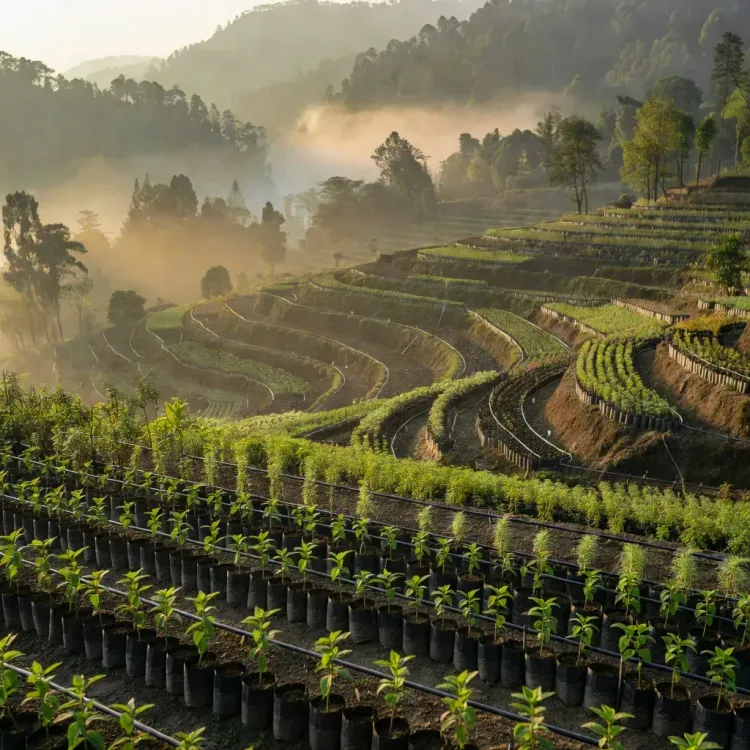
The largest single thematic block in the approval covers 10 nurseries operated by the Eco Task Force — the Army-affiliated units that drive afforestation and ecological restoration across Uttarakhand's fragile hill terrain. ₹78.50 lakh has been sanctioned to install irrigation systems across all ten sites: ₹14.53 lakh for a single nursery in Pauri district, and ₹63.97 lakh for the remaining nine nurseries in Dehradun district. Reliable water supply to these nurseries is a foundational step — seedlings without irrigation rarely survive Uttarakhand's dry winters, and the Eco Task Force's afforestation targets depend entirely on healthy planting stock.
Dehradun's Sahspur and Doiwala constituencies get community assets
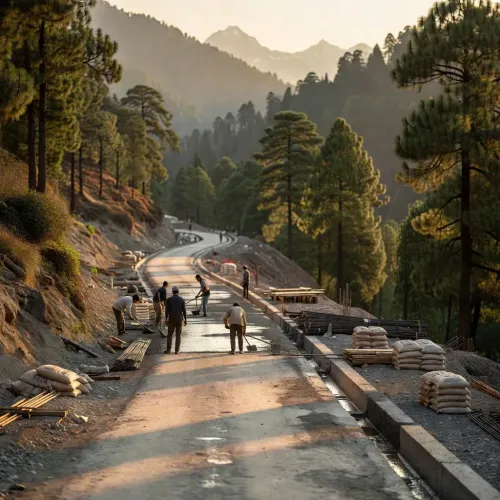
In Dehradun district, two separate assembly-segment projects have cleared the CM's desk. For the Sahspur assembly constituency, ₹40 lakh — described as a residual balance — has been released for the construction of a Janmilan Kendra (community meeting centre) at Suddhowala, Dehradun. The Doiwala segment receives two approvals: ₹96.79 lakh for a clock tower (Ghanta Ghar) at Athurvala Tehri Displaced Area, with a first instalment of ₹58.07 lakh released immediately, recognising the decades-old rehabilitation settlement of families displaced by the Tehri Dam. Separately, ₹1.37 crore has been sanctioned to construct an approximately 2-kilometre road linking Laltappar to Gorkha Basti Sagar and adjoining homes in Gram Majri Grant, near the Vaishwani Temple bridge — with a first instalment of ₹81.97 lakh cleared.
Border and Kumaon districts: temples, roads, and a mela ground
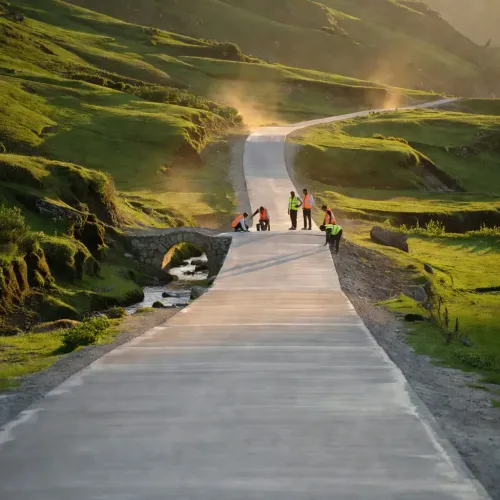
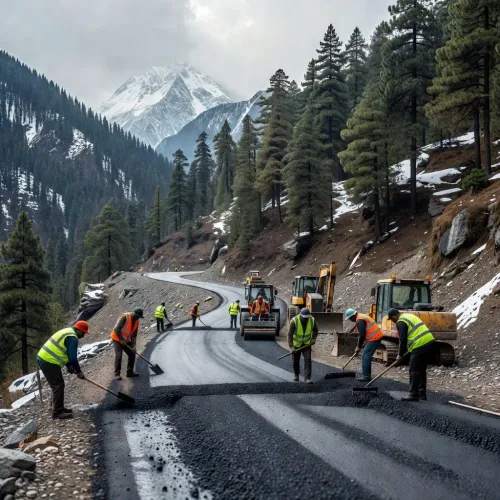
Three more districts feature in the approval package. In Udham Singh Nagar, the Khatima assembly constituency receives ₹10 lakh for the beautification, security infrastructure, and boundary-wall construction at Shiv Mandir, Anjania. In Pithoragarh district, a first-phase rural road — running from Bhumiya Mandir Gainthan to Kalsin Mandir and onward to Devi Gram (Khooni Gaon) — has been approved for ₹92.32 lakh, with the first tranche of ₹55.39 lakh released. And in Champawat district, ₹30 lakh has been sanctioned for the beautification of the Bhagwati Mela ground in Gram Panchayat Pachnai, within the Champawat assembly segment.
Tranche-first approvals: how Uttarakhand moves money
The tranche-wise release pattern — first instalment now, balance upon utilisation report — is standard operating procedure for hill-state infrastructure. It prevents funds from sitting idle while also giving district administrations a funded start. Uttarakhand state budgets since 2022 have consistently bundled road links, minor irrigation, community buildings, and religious-site upgrades under annual development grants, and these CM-level financial orders are the administrative mechanism that actually converts budget lines into ground-level activity. The coming months will reveal whether utilisation certificates flow in time for subsequent instalments to be released on schedule — the perennial pinch point in hill-district delivery.
Point of View
Religious-site works, and ecological infrastructure into a single announcement, spreading visible delivery across multiple assembly segments simultaneously. The inclusion of Eco Task Force nursery irrigation alongside Tehri displaced-colony infrastructure signals an attempt to address both environmental and long-standing rehabilitation commitments in one sweep. Tranche-wise releases keep fiscal discipline on paper but shift delivery risk to district execution capacity — historically the weakest link in hill-state spending. With assembly elections always a medium-term consideration, the geographic spread of approvals across Pauri, Dehradun, Udham Singh Nagar, Pithoragarh, and Champawat underscores how development spending and political reach-building remain inseparable in Uttarakhand's administrative culture.
NationPress
12 Nov 2026
Frequently Asked Questions
What did CM Dhami approve for Eco Task Force nurseries?
CM Pushkar Singh Dhami approved ₹78.50 lakh to install irrigation systems in 10 Eco Task Force nurseries — ₹14.53 lakh for one nursery in Pauri district and ₹63.97 lakh for nine nurseries in Dehradun district.
What is the Ghanta Ghar project approved for Doiwala?
A Ghanta Ghar (clock tower) worth ₹96.79 lakh has been sanctioned for the Athurvala Tehri Displaced Area in the Doiwala assembly constituency; the first instalment of ₹58.07 lakh has been released immediately.
What road project was approved in Majri Grant, Dehradun?
A roughly 2-kilometre road from Laltappar to Gorkha Basti Sagar in Gram Majri Grant, near the Vaishwani Temple bridge, was approved for ₹1.37 crore , with a first tranche of ₹81.97 lakh sanctioned.
What infrastructure was approved for Pithoragarh district?
A first-phase rural road from Bhumiya Mandir Gainthan to Kalsin Mandir and Devi Gram (Khooni Gaon) was sanctioned for ₹92.32 lakh , with ₹55.39 lakh released as the first instalment.
Which temple and community projects were cleared in Khatima and Champawat?
₹10 lakh was approved for beautification and boundary-wall construction at Shiv Mandir, Anjania in Khatima constituency, and ₹30 lakh for beautification of the Bhagwati Mela ground in Gram Panchayat Pachnai, Champawat.