Uttarakhand CM Office Hails Cow Reverence at Haridwar Ganga Site
Synopsis
The Chief Minister's Office of Uttarakhand invoked Sanatan tradition on 12 November 2026 to frame cow service as supreme devotion, while pledging year-round religious programming at a Haridwar site on the Ganges — deepening the state's cultural-identity positioning.
Key Takeaways
The Chief Minister's Office of Uttarakhand posted on 12 November 2026 from Haridwar , affirming the sanctity of cow service in Sanatan culture.
The post equates gau seva with the merit of serving all gods and goddesses in Hindu tradition.
The state pledged year-round religious activities at a site on the Ganges in Haridwar, going beyond seasonal festival programming.
Uttarakhand has maintained cow-protection legislation since statehood in 2000 , periodically tightening penalties.
The messaging aligns with BJP-governed states' broader pattern of integrating Sanatan cultural symbols into official public communication.
The Namami Gange programme (2014) provides policy lineage for ghat and religious infrastructure development in the region.
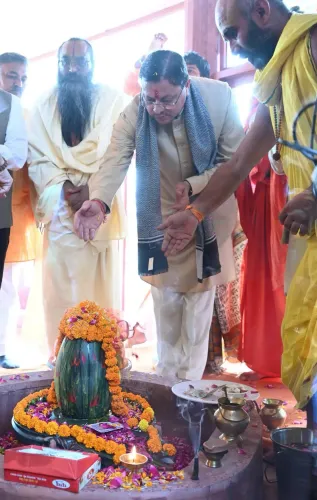
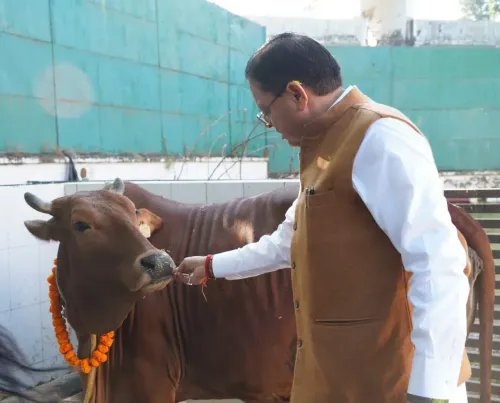
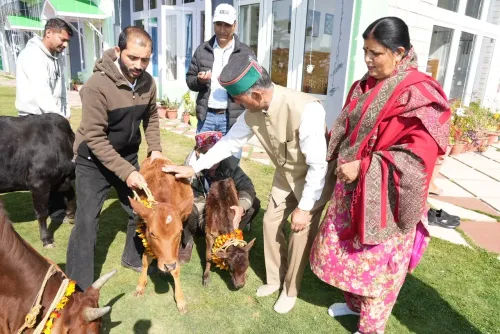
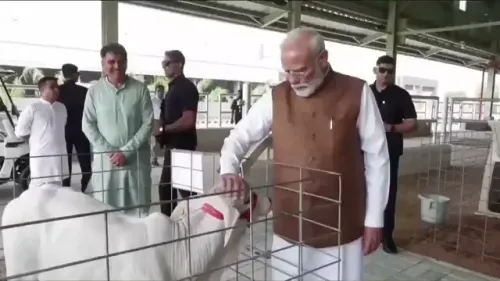
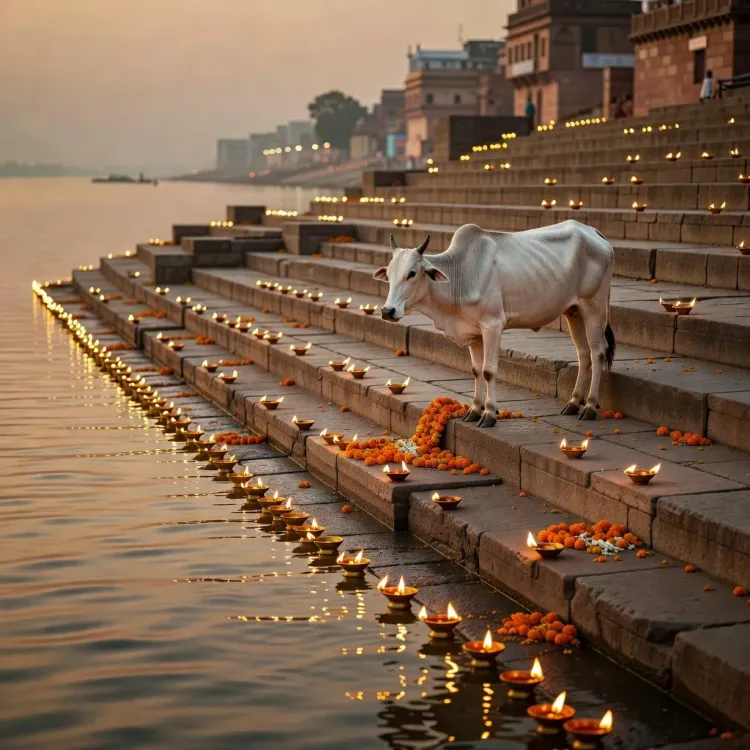
At a sacred stretch of the Ganges in Haridwar, the Chief Minister's Office of Uttarakhand on Thursday, 12 November 2026 reaffirmed the state's commitment to cow protection and year-round religious programming — framing gau seva (cow service) as an act of devotion equal to worshipping every deity in the Sanatan tradition.
The post, shared in Hindi, declared: 'In our Sanatan culture, the cow mother holds a very high place, and serving her is a meritorious act equal to serving all gods and goddesses. At this place of Mother Ganga, religious activities will also take place throughout the year.'
Cow Reverence as State Messaging in Uttarakhand
Uttarakhand has enforced cow-protection legislation since its formation as a state in 2000, and those provisions have been periodically strengthened. The state government has consistently positioned gau raksha (cow protection) — through gaushala support and anti-slaughter enforcement — as both a cultural and administrative priority. This post is in line with that institutional stance, delivered from the official Chief Minister's Office account.
Across BJP-governed states, the promotion of Sanatan cultural symbols — including cow reverence — has increasingly moved from religious spaces into formal public communication. Haridwar, one of Hinduism's holiest pilgrimage cities, sits at the confluence of these currents: a sacred geography where policy, faith, and cultural identity visibly converge.
Haridwar as a Year-Round Religious Destination
Haridwar's ghats have long drawn pilgrims for the Kumbh Mela and seasonal bathing festivals, but footfall has historically been uneven outside those peak windows. The post's pledge of year-round religious activity at the referenced Ganga site signals a push to sustain that rhythm beyond major events — a goal that also aligns with the Namami Gange programme launched in 2014, which invested in ghat development and religious infrastructure along the river.
The specific project or site mentioned in the post is not named, but the intent is clear: anchor devotional life to the Ganges bank as a living, continuous institution — not merely a festival-season spectacle.
For a state whose identity is inseparable from the Himalayan pilgrim circuit, that is not a minor ambition. It is a declaration of what Uttarakhand wants to be — twelve months a year.
Point of View
Yet it speaks in the register of one. By tying cow reverence to the Ganga site and promising year-round religious activity, Uttarakhand is effectively marketing Haridwar as a living pilgrimage economy, not just a festival destination. This cultural branding has tangible downstream effects: gaushala funding, tourism infrastructure, and the political consolidation of a Hindu-identity vote base. The move also fits neatly into the Namami Gange investment arc, lending a national programme a local devotional face.
NationPress
12 Nov 2026
Frequently Asked Questions
What did the Uttarakhand government say about cow protection in Haridwar?
The Chief Minister's Office of Uttarakhand stated on 12 November 2026 that in Sanatan culture, serving the cow is a meritorious act equal to worshipping all gods and goddesses, and announced year-round religious activities at a Ganga site in Haridwar.
What is Uttarakhand's cow protection law?
Uttarakhand has enforced cow-protection legislation since it became a state in 2000, prohibiting cow slaughter and supporting gaushalas, with penalties strengthened at various points since then.
What is the Namami Gange programme and how does it relate to Haridwar?
The Namami Gange programme, launched by the central government in 2014, funds the development of ghats and religious infrastructure along the Ganges — including in Haridwar — to rejuvenate the river and boost pilgrimage activity.
Why is Haridwar significant in Sanatan culture?
Haridwar is one of Hinduism's holiest cities, situated where the Ganges descends from the Himalayas into the plains, and is a major site for the Kumbh Mela, ritual bathing, and year-round pilgrimages.
What does gau seva mean in Hindu tradition?
Gau seva means the service or care of cows, which are considered sacred in Hinduism. The tradition holds that tending to cows accumulates great religious merit, equivalent in some texts to acts of worship directed at all deities.