CM Bhajanlal Reviews Rajasthan Heritage Authority Works
Synopsis
Chief Minister Bhajanlal Sharma reviewed development works at Rajasthan's major religious and heritage sites in a Dharohar Pradhikaran meeting, directing officials to complete ongoing projects ahead of schedule and expedite new tenders to improve pilgrim infrastructure.
Key Takeaways
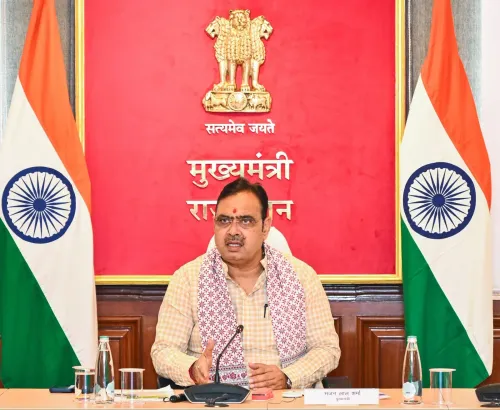
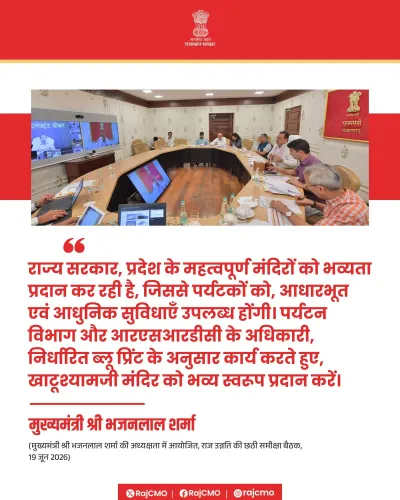
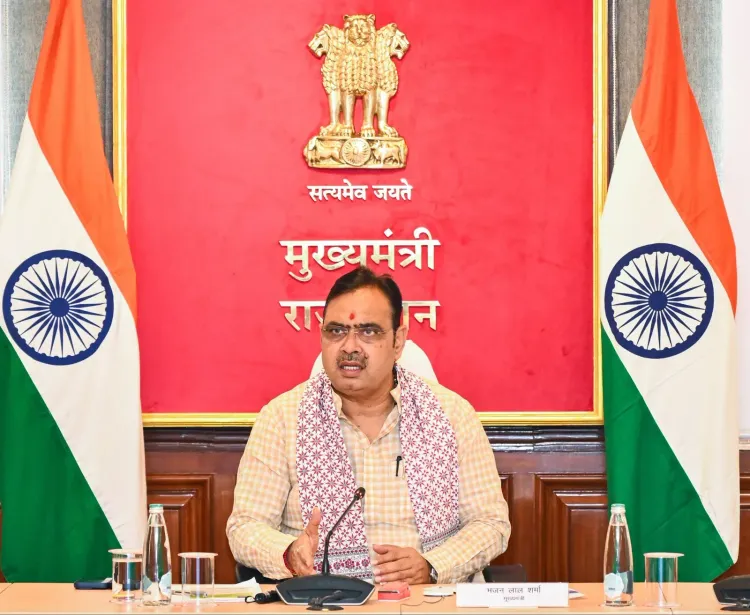
CM Bhajanlal Sharma chaired a Rajasthan Dharohar Pradhikaran meeting at the Chief Minister's Office to review development at major religious and heritage sites.
He directed that all ongoing development works at prominent aastha dhams be completed ahead of schedule .
Officials were instructed to expedite the tendering process for new development projects at pilgrimage sites.
The Chief Minister emphasised developing all essential basic infrastructure facilities for pilgrims visiting these sites.
Srinivas and senior officers from multiple departments attended in person; District Collectors and Urban Development officials joined via video conference .
The review reflects the BJP-led state government's focus on religious tourism infrastructure as a key governance and development priority.
Chief Minister Bhajanlal Sharma chaired a meeting of the Rajasthan Dharohar Pradhikaran (Rajasthan Heritage Authority) at the Chief Minister's Office on Friday, 25 July 2026, to review development works at major religious and heritage sites across the state. He directed officials to complete ongoing projects ahead of schedule and expedite the tendering process for new works, with a focus on ensuring all essential infrastructure facilities for pilgrims.
Context
The Chief Minister's Office posted on X, quoting CM Bhajanlal Sharma as instructing that 'श्रद्धालुओं के लिए सभी आवश्यक आधारभूत सुविधाएँ, विकसित की जाएँ' — meaning 'all necessary basic infrastructure facilities must be developed for devotees.' The directive covers both in-progress works and the initiation of fresh tenders at prominent aastha dhams (places of faith) in Rajasthan.
The meeting was attended by Rajasthan Dharohar Pradhikaran Chairman and Chief Secretary V. Srinivas, along with senior officers from the Water Resources, Chief Minister's Office, Finance, Autonomous Governance, and Devasthan (temple administration) departments. Senior officials from the Urban Development Department and concerned District Collectors joined via video conference.
Policy Backdrop
Following the 2023 Rajasthan assembly elections, the BJP-led state government initiated systematic reviews of heritage and pilgrimage infrastructure through the Dharohar Pradhikaran. The authority is mandated with conservation, restoration, and infrastructure development at historical and religious sites across the state.
Rajasthan, home to some of India's most significant pilgrimage destinations and heritage monuments, has seen successive governments direct accelerated work on religious tourism infrastructure. The use of a dedicated multi-departmental authority for such coordination reflects a broader state-level governance pattern aimed at improving the pilgrim experience and boosting religious tourism.
Stakeholders and Impact
The primary beneficiaries of these directives are the millions of pilgrims who visit Rajasthan's major dhams annually, who stand to gain from improved amenities such as better access roads, sanitation, drinking water, and visitor facilities. The tourism and hospitality sector in the state is also expected to benefit from enhanced infrastructure at religious sites, which serve as significant drivers of visitor footfall.
District Collectors joining via video conference signals that project oversight extends to the ground level, ensuring accountability across districts where these heritage and religious sites are located. The involvement of the Finance Department indicates that budgetary provisions for pending or new tenders are under active consideration.
What's Next
The immediate priority, as directed by CM Bhajanlal Sharma, is the early completion of ongoing development works and swift finalisation of the tendering process for new projects. Officials are expected to submit updated timelines and progress reports in line with the Chief Minister's instructions.
Observers will watch for announcements on specific sites identified for new works, supplementary budget allocations in the next state fiscal planning cycle, and any formal list of aastha dhams prioritised under the Dharohar Pradhikaran's current mandate. The hashtag #आपणो_अग्रणी_राजस्थान ('Our Leading Rajasthan') used in the post signals the government's intent to frame heritage development as part of its broader state-advancement agenda.
Frequently Asked Questions
What is the Rajasthan Dharohar Pradhikaran?
The Rajasthan Dharohar Pradhikaran is the state heritage authority responsible for conservation, restoration, and infrastructure development at historical and religious sites across Rajasthan.
What did CM Bhajanlal Sharma direct in the Dharohar Pradhikaran meeting?
CM Bhajanlal Sharma directed officials to complete ongoing development works at major religious sites ahead of schedule, expedite the tendering process for new works, and ensure all necessary basic infrastructure facilities are developed for pilgrims.
Who attended the Rajasthan Dharohar Pradhikaran review meeting?
The meeting was attended by Chief Secretary V. Srinivas, the Dharohar Pradhikaran Chairman, and senior officials from the Water Resources, Finance, Urban Development, Autonomous Governance, and Devasthan departments, with District Collectors joining via video conference.
Which sites are being developed under the Rajasthan Dharohar Pradhikaran?
The meeting focused on development works at major 'aastha dhams' — prominent places of religious faith — across Rajasthan, though specific site names were not listed in the official communication.
What is the significance of the hashtag Aapno Agrani Rajasthan?
The hashtag 'Aapno Agrani Rajasthan', meaning 'Our Leading Rajasthan', is used by the state government to brand its development and governance initiatives as part of a broader vision to position Rajasthan as a leading state.