CM Fadnavis Pledges Hi-Tech Overhaul for Maharashtra Police
Synopsis
The Chief Minister's Office of Maharashtra announced on 17 June 2026 that the state police force will go hi-tech, with CM Devendra Fadnavis at the helm. The move builds on prior modernisation efforts including CCTNS and CCTV expansion, signalling a new phase of technology-driven policing across the state.
Key Takeaways
The Chief Minister's Office of Maharashtra posted on 17 June 2026 that Maharashtra Police will be upgraded with high-tech capabilities.
The announcement was tagged to Chief Minister Devendra Fadnavis , indicating direct political ownership of the initiative.
During his 2014–2019 tenure, Fadnavis oversaw CCTV expansion and CCTNS implementation across Maharashtra.
No specific tools, budget figures, or rollout timelines were disclosed in the post.
Beneficiaries are expected to include residents of major urban centres such as Mumbai , Pune , and Nagpur .
Further details are anticipated in upcoming state budget sessions or police modernisation proposals.
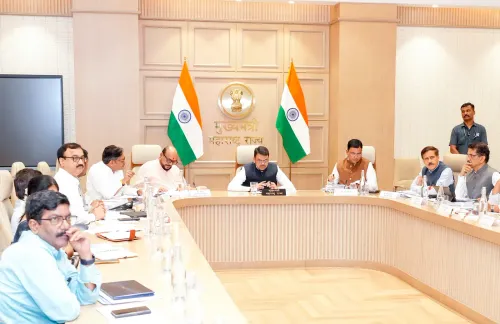
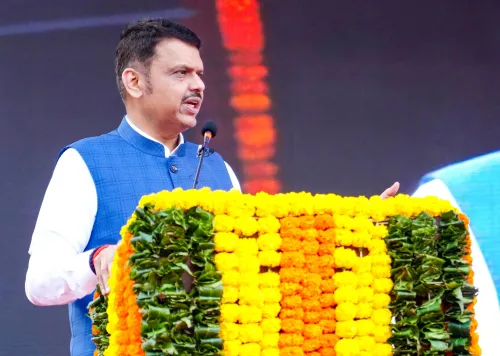
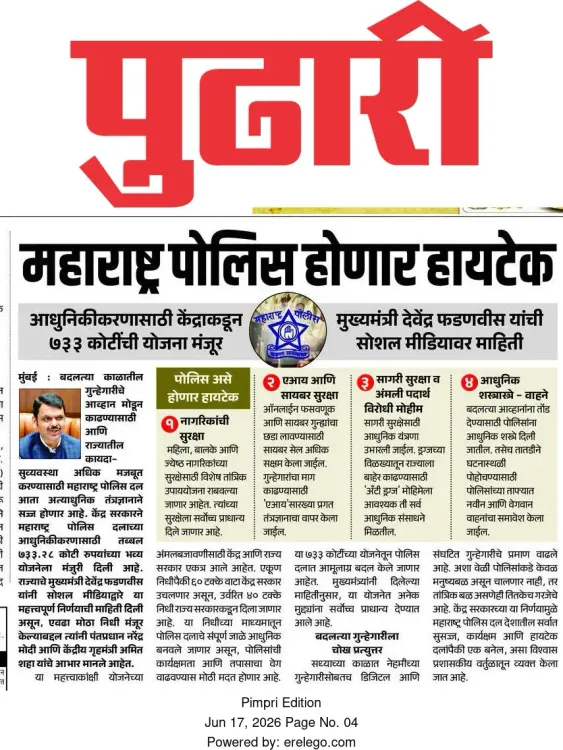
The Chief Minister's Office of Maharashtra announced on Wednesday, 17 June 2026 that the state's police force is set to go high-tech, signalling a fresh push by Chief Minister Devendra Fadnavis to modernise law enforcement across the state.
Context
The CMO's post, shared in Marathi, carried the message 'महाराष्ट्र पोलीस होणार हायटेक' — 'Maharashtra Police will go hi-tech' — tagging Chief Minister Devendra Fadnavis directly. The announcement signals a renewed state-level commitment to integrating advanced technology into policing operations. No specific tools or timelines were detailed in the post itself.
The statement comes against the backdrop of a broader national conversation around data-driven, technology-enabled policing. Several Indian states have pursued similar upgrades under central programmes aimed at improving response times and crime analytics.
Policy Backdrop
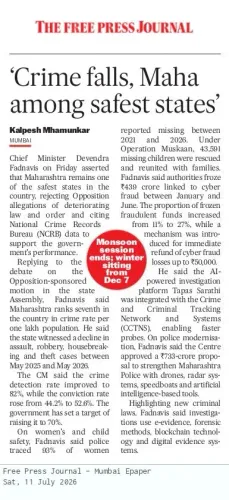
Devendra Fadnavis, during his earlier tenure as Chief Minister between 2014 and 2019, oversaw notable strides in police modernisation, including the expansion of CCTV surveillance networks and the implementation of the Crime and Criminal Tracking Network and Systems (CCTNS) across Maharashtra. These initiatives were part of a broader e-governance thrust his administration championed.
Maharashtra Police, one of India's largest state forces, has been progressively integrating digital tools for crime tracking, surveillance, and inter-departmental coordination. The current announcement appears to build on that foundation, pointing toward a next phase of upgrades.
Stakeholders and Impact
The primary beneficiaries of a hi-tech police force would be Maharashtra's urban residents, particularly in high-density cities such as Mumbai, Pune, and Nagpur, where crime response times and surveillance coverage remain critical concerns. A technology-enabled force could also improve accountability through tools such as body cameras and AI-assisted analytics.
For Maharashtra Police personnel, modernisation typically translates into better situational awareness, streamlined case management, and reduced manual paperwork — all of which affect operational efficiency on the ground.
What's Next
Specific details on the scope, budget allocation, and rollout timeline of the hi-tech measures are yet to be officially disclosed. Observers will watch for announcements in upcoming state budget sessions or dedicated police modernisation proposals from the Fadnavis government.
Whether the initiative will encompass AI-based analytics, drone surveillance, upgraded communication systems, or a combination of these will likely become clearer in the weeks ahead. The post marks an intent signal; the policy architecture is still to follow.
Point of View
Long on political messaging. For Fadnavis, positioning himself as the architect of a modernised police force serves a dual purpose: reinforcing his law-and-order credentials and pre-empting opposition criticism on public safety. The move fits a wider pattern among BJP-led state governments of framing technology adoption in policing as both a governance achievement and an electoral asset. The real test will be whether the announcement translates into budgeted, time-bound deliverables — or remains aspirational branding ahead of the next political cycle.
NationPress
16 Sept 2026
Frequently Asked Questions
What did the Maharashtra CMO announce about Maharashtra Police on 17 June 2026?
The Chief Minister's Office of Maharashtra announced that Maharashtra Police will undergo a hi-tech modernisation drive, tagging Chief Minister Devendra Fadnavis in the post. No specific tools or timelines were mentioned.
What technology upgrades has Maharashtra Police received in the past?
During Devendra Fadnavis's earlier tenure from 2014 to 2019, Maharashtra saw CCTV network expansion and the rollout of the Crime and Criminal Tracking Network and Systems (CCTNS) to digitise police records and improve crime tracking.
What does 'hi-tech policing' mean for Maharashtra residents?
Hi-tech policing typically involves tools such as AI-based crime analytics, drone surveillance, body cameras, and upgraded communication systems, which can improve response times and accountability for residents in cities like Mumbai and Pune.
When will the Maharashtra Police hi-tech upgrade be implemented?
No official timeline has been announced yet. Details on scope and rollout are expected to emerge in upcoming state budget sessions or dedicated police modernisation proposals from the Fadnavis government.
What is CCTNS and does Maharashtra use it?
CCTNS, or the Crime and Criminal Tracking Network and Systems, is a national programme to connect police stations digitally for real-time crime data sharing. Maharashtra began implementing it during the 2015–2019 period under the Fadnavis administration.