CM Dhami credits double-engine govt for Uttarakhand growth, heritage push
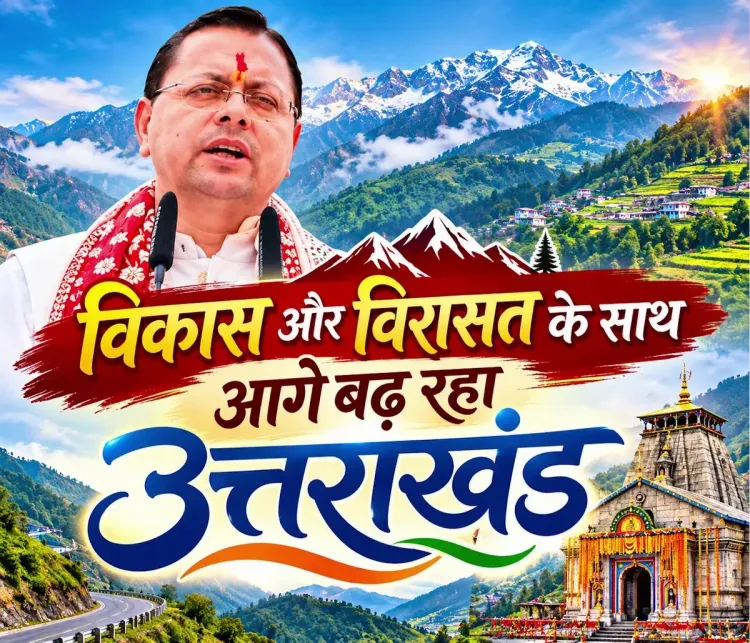
Synopsis
Uttarakhand CM Pushkar Singh Dhami credited the BJP's 'double engine government' under PM Modi for simultaneously accelerating state development and preserving Uttarakhand's cultural heritage and identity, in a post on 12 November 2026.
Key Takeaways
CM Pushkar Singh Dhami credited the 'double engine government' model for Uttarakhand's development and cultural heritage preservation on 12 November 2026 .
The 'double engine' narrative — same party at the Centre and state — has been a core BJP communication strategy since 2014 .
Uttarakhand has been BJP-governed since 2017 ; Dhami has served as Chief Minister since 2021 .
The state is home to the Char Dham pilgrimage circuit, making infrastructure and cultural heritage politically and physically intertwined.
No specific scheme, project, or funding figure was named in Dhami's post; it functions as a broad consolidation message.
Observers will watch upcoming state budget presentations and central scheme updates for concrete Uttarakhand cultural project announcements.
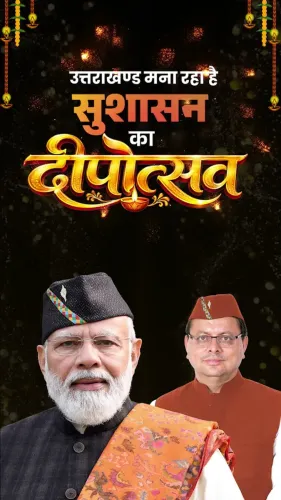
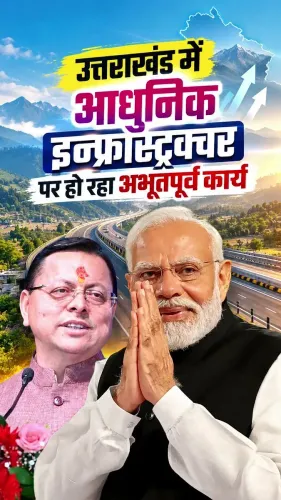
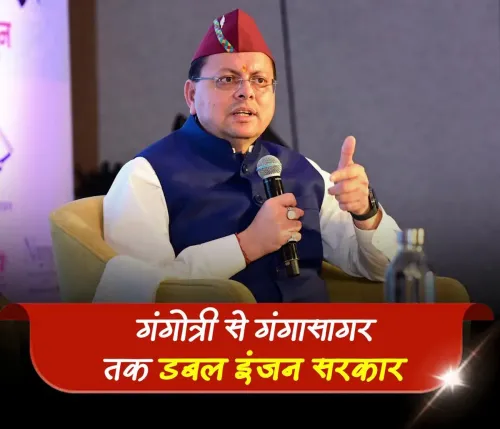
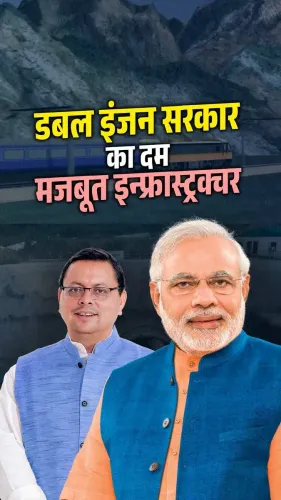
Development and cultural identity, delivered together — that is the proposition Uttarakhand Chief Minister Pushkar Singh Dhami put before his followers on Thursday, 12 November 2026, crediting the BJP's 'double engine government' model for what he called historic work in the state's progress and preservation of its cultural heritage.
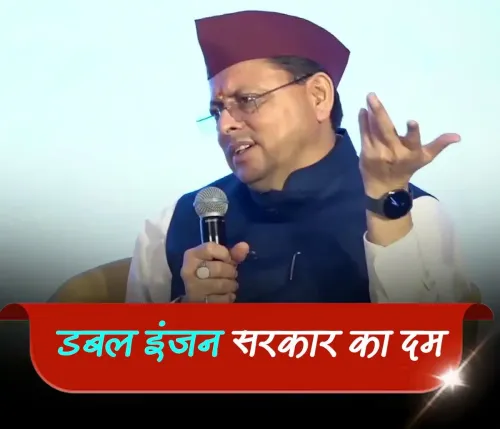
Posting in Hindi on X, CM Dhami said: 'Under the leadership of respected Prime Minister Shri Narendra Modi ji, the double engine government has not only given new momentum to Uttarakhand's development but has also done historic work for the preservation of the state's cultural heritage and identity.' The post was accompanied by a video, though no specific scheme, project, or funding figure was named in the message.
What the 'double engine' claim means in Uttarakhand
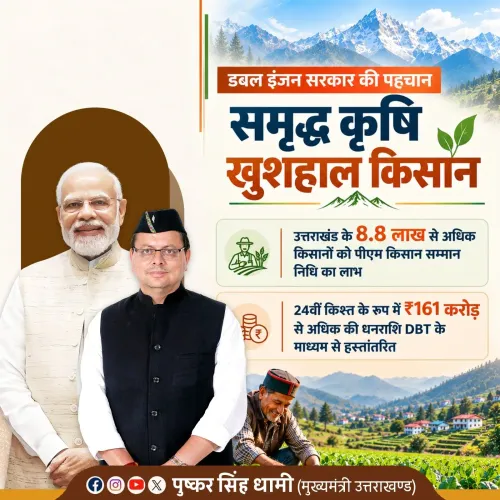
The phrase double engine sarkar — referring to the same party governing at both the Centre and in the state — has been a central plank of BJP political communication since at least 2014. The argument is straightforward: a state whose ruling party mirrors the party in power at New Delhi secures faster clearances, better fund flows, and aligned priorities. Uttarakhand, a northern Himalayan state, has been BJP-governed since 2017, with Dhami holding the chief ministership since 2021.
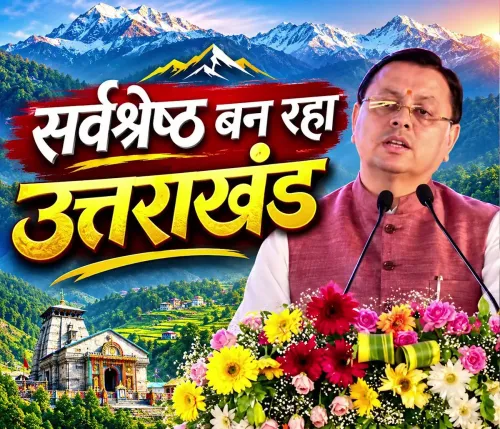
The state occupies a distinctive place in the BJP's cultural messaging: home to the Char Dham pilgrimage circuit — Badrinath, Kedarnath, Gangotri, and Yamunotri — it sits at the intersection of infrastructure ambition and religious heritage. Projects connecting these shrines have been a visible centrepiece of central investment in the region.
Development alongside identity — a pattern across BJP-ruled states
Dhami's framing is not unique to Uttarakhand; it mirrors a broader template visible across BJP-governed states, where economic growth narratives are routinely paired with cultural preservation messaging. The combination is deliberate: it speaks simultaneously to voters who want roads, jobs, and connectivity and to those who prioritise the safeguarding of local traditions, religious sites, and regional identity.
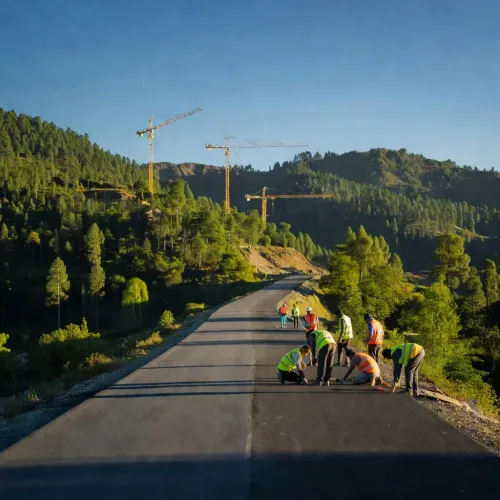
What makes Uttarakhand a sharper case study is geography. Infrastructure here — tunnels, highways, ropeways — does double duty, serving both economic connectivity and pilgrim access. When the state government frames 'development' and 'heritage', the two are often literally the same project viewed from different angles.
No new scheme announcement or budget figure accompanied Thursday's post, suggesting this is a consolidation message rather than a policy launch — a moment to restate the governing compact ahead of what observers will watch for in the state's forthcoming budget presentations and central scheme updates that mention Uttarakhand cultural projects.
For a state whose identity is inseparable from its mountains and its temples, the political bet is that the same voters who count kilometres of new road also count how well their pilgrimage heritage is tended. CM Dhami is making sure they link both ledgers to one engine room in Delhi.
Point of View
Designed to reinforce voter loyalty by presenting economic progress and cultural preservation as two faces of the same governing philosophy. The 'double engine' framing strategically positions the Centre as an indispensable partner, making any future credit-sharing or funding disputes harder to stage. Ahead of likely budget and scheme announcements, this kind of consolidation rhetoric typically serves as a political down-payment — softening the ground before concrete deliverables are unveiled. It also reflects the BJP's awareness that in Uttarakhand, religious and cultural capital is as electorally significant as road-and-dam capital.
NationPress
12 Nov 2026
Frequently Asked Questions
What is the 'double engine government' the BJP talks about in Uttarakhand?
The 'double engine government' refers to the same political party — the BJP — governing both the state of Uttarakhand and the central government in New Delhi. The idea is that policy alignment between the two levels speeds up development fund flows and project clearances.
What has Pushkar Singh Dhami said about Uttarakhand's cultural heritage?
On 12 November 2026 , CM Dhami stated that the double engine government under PM Modi has done 'historic work' for the preservation of Uttarakhand's cultural heritage and identity, alongside accelerating the state's overall development.
How long has Pushkar Singh Dhami been Chief Minister of Uttarakhand?
Pushkar Singh Dhami has served as Chief Minister of Uttarakhand since 2021 . The BJP has governed the state continuously since 2017 .
Why is cultural heritage especially significant in Uttarakhand's politics?
Uttarakhand is home to the Char Dham pilgrimage circuit — Badrinath, Kedarnath, Gangotri, and Yamunotri — making religious and cultural sites central to the state's identity, tourism economy, and political discourse.
Did CM Dhami announce any new scheme or project in this post?
No. Dhami's 12 November 2026 post did not name any specific scheme, project, or funding figure. It was a broad statement reaffirming the governing philosophy of simultaneous development and cultural preservation.