CM Bhajan Lal Sharma Reaffirms Rajasthan's Heritage-Development Balance
Synopsis
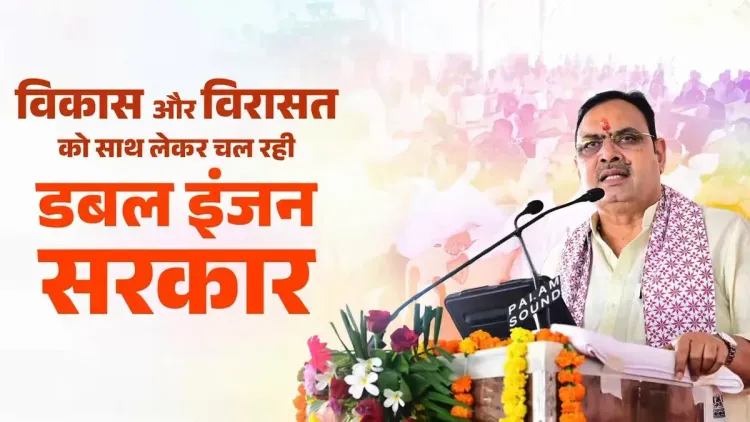
Rajasthan Chief Minister Bhajan Lal Sharma declared on 12 November 2026 that his BJP government is committed to balancing new development with the preservation of the state's rich cultural heritage, framing the two as inseparable pillars of Rajasthan's progress.
Key Takeaways
CM Bhajan Lal Sharma posted on 12 November 2026 reaffirming the Rajasthan government's dual commitment to development and heritage preservation.
The post was in Hindi and accompanied by a video , amplifying the government's cultural messaging.
Rajasthan is home to numerous UNESCO-listed and nationally significant historical sites, making heritage a central economic and political issue for the state.
The BJP administration took charge in Rajasthan after the December 2023 assembly elections , with Sharma serving as Chief Minister since that time.
The 'Vikas aur Virasat' framing aligns with a broader BJP national narrative linking cultural pride with economic development.
No specific scheme or budget figure was announced; the statement signals a continued policy orientation rather than a new initiative.
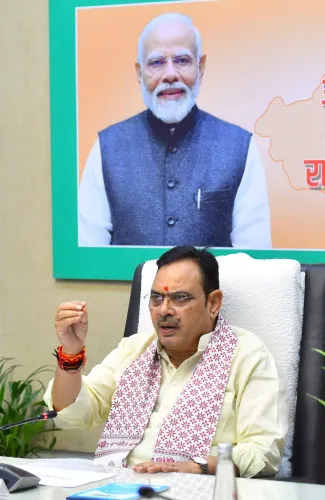
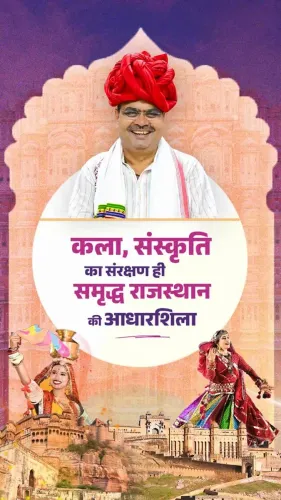
Rajasthan's ancient forts and palaces are not obstacles to progress — they are its foundation. Rajasthan Chief Minister Bhajan Lal Sharma declared on Thursday, 12 November 2026 that his government is firmly committed to both establishing new dimensions of development and preserving the state's storied cultural heritage, framing the two not as competing priorities but as a single, unified path forward.
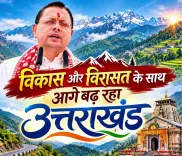
Posting in Hindi on X, CM Sharma wrote: 'विकास और विरासत के इसी समन्वय के साथ राजस्थान प्रगति के पथ पर निरंतर अग्रसर है' — 'With this very coordination of development and heritage, Rajasthan marches continuously on the path of progress.' The message was accompanied by a video, reinforcing the visual dimension of the government's cultural messaging.
Rajasthan's Heritage as a Policy Pillar
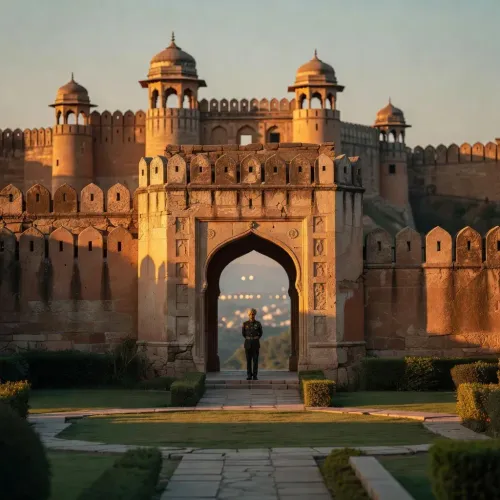
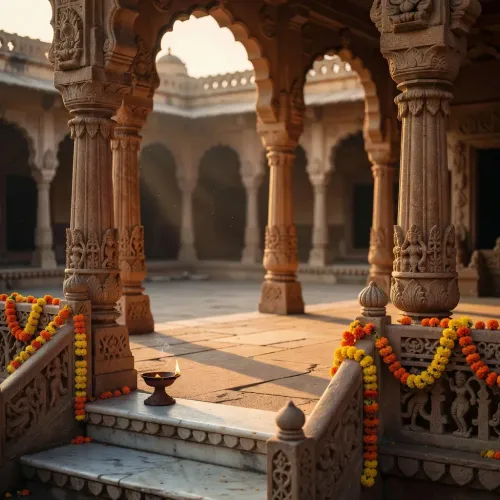
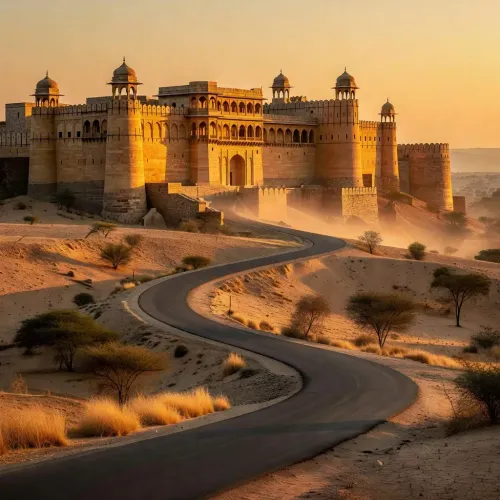
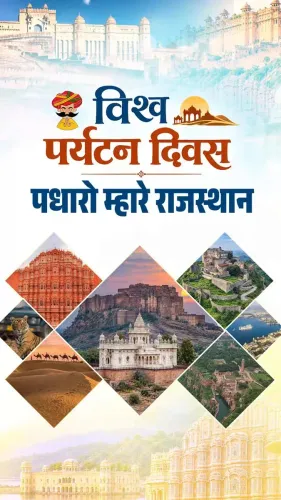
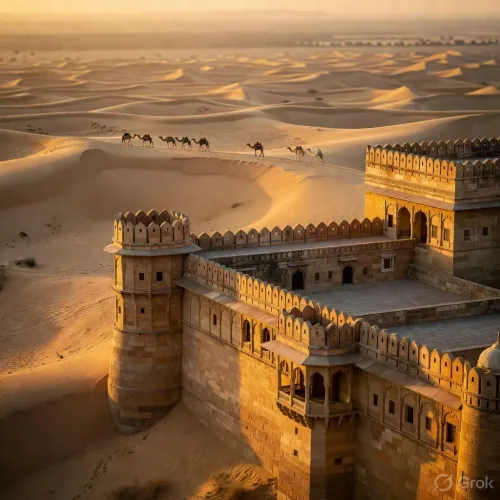
Rajasthan is home to some of India's most visited historical landmarks — from the hilltop fortresses of Chittorgarh and Jaisalmer to the palace-city of Udaipur and UNESCO-listed sites across the state. Governments across party lines have long sought to leverage this inheritance, investing in tourism infrastructure while simultaneously navigating the challenge of protecting monuments from the pressures of rapid urbanisation and visitor footfall.
The BJP administration, which returned to power in Rajasthan after the December 2023 assembly elections with Sharma as Chief Minister, has continued this dual emphasis. The broader pattern fits neatly into a wider national political narrative championed by the BJP, which has made the 'Vikas aur Virasat' — development and heritage — framing a recognisable brand across multiple states.
Tourism Sector and Heritage Bodies in Focus
The statement lands with direct relevance for the state's tourism sector and heritage conservation bodies, both of which depend on clear governmental signals about funding and policy direction. Rajasthan's tourism industry is one of the state's primary economic engines, drawing domestic and international visitors to its forts, palaces, desert landscapes, and living craft traditions.
While the post does not announce a specific scheme, budget allocation, or project, it signals the administration's continuing ideological orientation — one that positions cultural preservation not as a cost but as a catalyst for economic momentum. Any follow-up announcements on heritage restoration funding or state budget allocations for culture and tourism will be watched closely.
Point of View
The government pre-empts criticism that infrastructure push comes at the cost of historical identity. The absence of specific policy detail keeps the messaging broad and non-controversial, functioning more as brand reinforcement than policy communication. Watch for whether this signals an upcoming budget announcement or heritage-sector scheme in the coming weeks.
NationPress
12 Nov 2026
Frequently Asked Questions
What did Rajasthan CM Bhajan Lal Sharma say about heritage and development?
CM Bhajan Lal Sharma stated that his government is committed to both establishing new dimensions of development and preserving Rajasthan's glorious heritage, calling the coordination of the two the state's path to continuous progress.
What is the BJP's 'Vikas aur Virasat' policy in Rajasthan?
'Vikas aur Virasat' — development and heritage — is a political framing used by the BJP to position cultural preservation and economic growth as inseparable goals, which the Rajasthan government has adopted as a central theme of its administration.
When did Bhajan Lal Sharma become Chief Minister of Rajasthan?
Bhajan Lal Sharma became Chief Minister of Rajasthan in December 2023, following the BJP's victory in the state assembly elections.
Why is heritage preservation important for Rajasthan's economy?
Rajasthan's forts, palaces, and UNESCO-listed sites are among the state's primary tourism assets, making heritage conservation directly linked to the tourism industry, which is one of Rajasthan's most significant economic engines.
Did CM Sharma announce any new heritage scheme in this post?
No specific scheme, project, or budget allocation was announced; the post reaffirmed the government's broad policy commitment to balancing development and cultural preservation.