Adani Green Energy's 2,250 MW Gandikota-2 pumped storage project approved in Andhra Pradesh
Synopsis
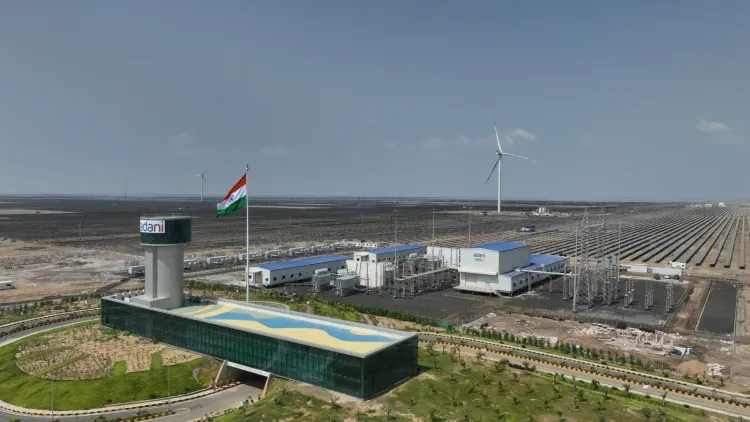
Andhra Pradesh has cleared one of India's largest pumped storage projects — a 2,250 MW facility by Adani Green Energy in YSR Kadapa — under a policy framework targeting ₹10 lakh crore in clean energy investments. The approval signals how aggressively the state is positioning itself as the country's premier energy storage hub, with the project designed to underpin not just renewables but also green hydrogen and AI data centre demand.
Key Takeaways
Adani Hydro Energy Eleven Ltd. (AHE11L) has been allocated the 2,250 MW Gandikota-2 Pumped Storage Project in YSR Kadapa district , Andhra Pradesh.
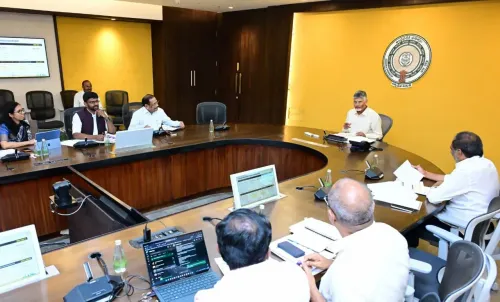
The project was cleared by the State Investment Promotion Board (SIPB) chaired by Chief Minister N.
Completion is targeted within 72 months ; the project will be one of the largest pumped storage facilities in India.
Water allocation approved: 29.20 MCM for initial filling and 2.20 MCM annually for evaporation losses.
The project is eligible for incentives under the Andhra Pradesh Integrated Clean Energy Policy 2024 , which targets nearly ₹10 lakh crore in investments and 7.5 lakh jobs .
Adani Group holds pumped storage projects across Andhra Pradesh , Maharashtra , and Uttar Pradesh .
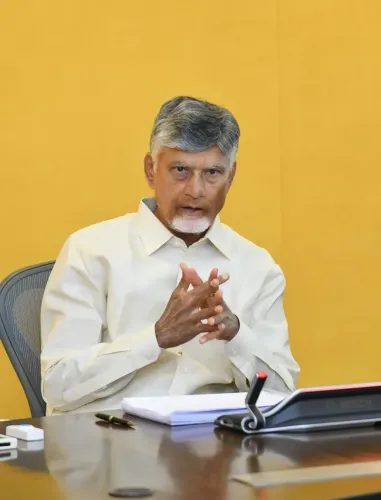
Adani Hydro Energy Eleven Ltd. (AHE11L), a subsidiary of Adani Green Energy, has secured state approval to develop the 2,250 MW Gandikota-2 Pumped Storage Project (PSP) in YSR Kadapa district, Andhra Pradesh. The clearance, granted by the State Investment Promotion Board (SIPB) chaired by Chief Minister N. Chandrababu Naidu, positions the project as one of the largest pumped storage undertakings in India.
Project Details and Location
The Gandikota-2 PSP will come up at the Lord Balaji Donthi Kona PSP Park in YSR Kadapa district, developed under the Andhra Pradesh Integrated Clean Energy Policy 2024. The project is scheduled for completion within 72 months of commencement. As part of the approval, the government has sanctioned 29.20 MCM of water for one-time initial filling and 2.20 MCM annually to cover evaporation losses from the existing Gandikota reservoir.
How Pumped Storage Works and Why It Matters
Pumped storage projects are globally recognised as the backbone of renewable-heavy power grids. They store surplus solar and wind energy during off-peak hours by pumping water uphill, then release it through turbines during peak demand — enabling stable, round-the-clock clean power delivery. India is currently accelerating pumped storage capacity expansion as it scales up renewable energy integration, and according to government data, Andhra Pradesh has emerged as one of the leading destinations for such development.
The Gandikota-2 project is expected to significantly bolster the state's renewable energy balancing capabilities while supporting its growing ecosystem of green hydrogen, advanced manufacturing, electric mobility, and AI-driven data centres.
Policy Incentives and Investment Targets
The project qualifies for incentives under the Andhra Pradesh Integrated Clean Energy Policy 2024, which targets investments of nearly ₹10 lakh crore and aims to generate employment for approximately 7.5 lakh people across the clean energy value chain. Officials reiterated that the state continues to attract large-scale energy investments owing to policy stability, fast-track approvals, strong transmission planning, and an integrated industrial-energy development framework.
Adani Group's Broader Storage Push
The Adani Group has been expanding its national pumped storage portfolio across multiple states, including Maharashtra and Uttar Pradesh, as part of its wider energy transition strategy. Industry experts view large-scale storage assets such as Gandikota-2 as critical enablers for India's future energy economy, particularly for energy-intensive digital infrastructure like hyperscale data centres. This approval further cements Andhra Pradesh's standing as a preferred destination for Adani's clean energy capital.
With construction expected to span six years, the project's completion will mark a significant milestone in India's push to build dispatchable renewable capacity at scale.
Point of View
However, is the 72-month construction timeline: India's pumped storage track record on execution is patchy, with several large projects slipping years behind schedule. The ₹10 lakh crore investment target under the 2024 policy is ambitious; the real test is whether approvals translate into commissioned megawatts — and whether the promised 7.5 lakh jobs materialise with verifiable outcomes rather than remaining a headline figure.
NationPress
3 Oct 2026
Frequently Asked Questions
What is the Gandikota-2 Pumped Storage Project in Andhra Pradesh?
The Gandikota-2 Pumped Storage Project is a 2,250 MW energy storage facility to be developed by Adani Hydro Energy Eleven Ltd. in YSR Kadapa district, Andhra Pradesh. It will store surplus renewable energy during off-peak hours and dispatch it during peak demand, functioning as a large-scale grid battery.
Who approved the Gandikota-2 project and under what policy?
The project was approved by the Andhra Pradesh State Investment Promotion Board (SIPB), chaired by Chief Minister N. Chandrababu Naidu. It will be developed under the Andhra Pradesh Integrated Clean Energy Policy 2024.
When will the Gandikota-2 pumped storage project be completed?
The project is scheduled for completion within 72 months of commencement. No specific start date has been announced as of the approval.
How does a pumped storage project generate electricity?
A pumped storage project stores energy by pumping water to an elevated reservoir using surplus electricity — typically from solar or wind — during off-peak periods. During peak demand, the water is released downhill through turbines to generate electricity, providing reliable, dispatchable clean power.
What are the broader benefits of this project for Andhra Pradesh?
Beyond grid stability, the Gandikota-2 project is expected to support Andhra Pradesh's growing green hydrogen, electric mobility, advanced manufacturing, and AI data centre sectors. The state's clean energy policy targets nearly ₹10 lakh crore in investments and employment for approximately 7.5 lakh people across the clean energy value chain.