Chandrababu Naidu orders feasibility study of pumped storage projects at 130 AP reservoirs
Synopsis
Andhra Pradesh CM Chandrababu Naidu has ordered a feasibility study of pumped storage energy projects at 130 state reservoirs — a scale that, if executed, could fundamentally reshape how the state balances its growing renewable capacity with peak-hour demand. Combined with aggressive solar targets and a hard cost ceiling of ₹4 per unit by 2029, this is the most comprehensive energy policy push the state has seen in years.
Key Takeaways
Andhra Pradesh CM N.
Chandrababu Naidu directed officials on 13 August to study pumped storage energy project feasibility at 130 reservoirs statewide.
The initiative was triggered by a proposal for a pumped storage project at Polavaram reservoir.
The state targets six lakh PM Surya Ghar solar connections by September and an additional three lakh non-Surya Ghar connections.
Power purchase cost targets set at ₹4.60 per unit this year and ₹4 per unit by 2029 .
Officials reported savings of ₹234 crore through power purchase optimisation and ₹100 crore via prompt payment rebates.
A performance-based rating system proposed for the state's six power utilities .
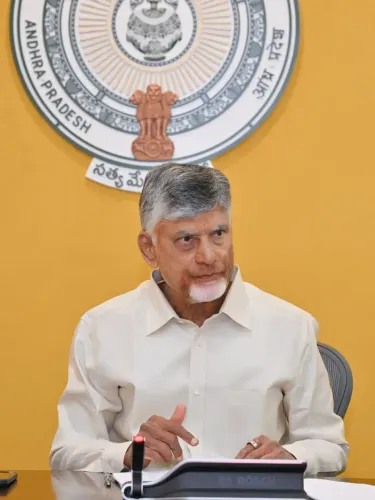
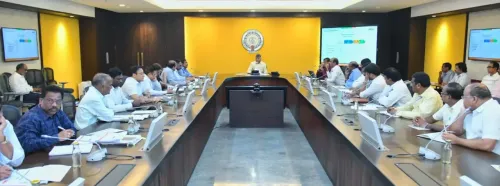
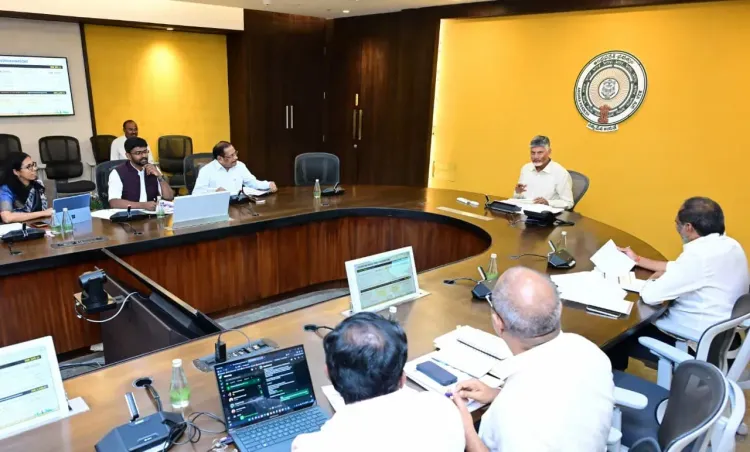
Andhra Pradesh Chief Minister N. Chandrababu Naidu on Thursday, 13 August directed state officials to assess the feasibility of establishing Pumped Storage Energy Projects at 130 reservoirs across the state, signalling an ambitious push to future-proof the state's power infrastructure. The directive came during a high-level review meeting on the functioning of the Energy Department in Amaravati.
The Polavaram Trigger
The proposal to study pumped storage potential at 130 sites emerged from a discussion on establishing such a project at the Polavaram reservoir. Naidu broadened the scope, asking officials to conduct a detailed economic feasibility analysis across all identified reservoirs rather than limiting the initiative to a single site.
He also flagged concerns about deficient rainfall this year and the risk it poses to conventional hydropower generation, directing officials to put advance contingency measures in place to ensure uninterrupted power supply.
Electricity Demand and Capacity Planning
At the review, the Chief Minister noted that industrialisation in Andhra Pradesh was accelerating and projected that electricity consumption in the state would double every six years. He asked officials to prepare comprehensive capacity expansion plans aligned with this trajectory and to simultaneously work on reducing power distribution losses.
Naidu set a clear cost target: bring the average power purchase cost down to ₹4.60 per unit in the current year and further to ₹4 per unit by 2029. Officials informed him that optimisation of power purchases had already yielded savings of ₹234 crore, with an additional ₹100 crore saved through prompt payment rebates.
Solar Push and Central Scheme Targets
The Chief Minister pushed hard on solar expansion, asking officials to install six lakh solar connections under the PM Surya Ghar scheme by September and an additional three lakh connections under the non-Surya Ghar category at the earliest. He also directed officials to apply to the Centre for a further 10 lakh connections.
On the PM-KUSUM scheme, Naidu said Andhra Pradesh should complete its existing target while simultaneously seeking an additional 2,000 MW of solar capacity from the Centre. He called for integrating solar, wind, and pumped storage resources into a unified system capable of delivering reliable power at lower cost.
Performance Framework for Power Utilities
Naidu proposed introducing a performance-based rating system for the state's six power utilities, with clear targets set for each and an expectation that they develop the competitiveness of leading corporate organisations. The move is aimed at improving accountability and operational efficiency across the power distribution chain.
With pumped storage projects capable of acting as large-scale energy batteries — storing surplus renewable power and releasing it during peak demand — the feasibility study could shape Andhra Pradesh's energy mix for the next decade.
Point of View
But feasibility studies have a long history in Indian energy policy of producing reports that do not translate into commissioned capacity. The harder question is whether Andhra Pradesh has the grid infrastructure, financing, and regulatory clearance pipeline to actually build at scale. The ₹4-per-unit cost target by 2029 is aggressive; whether pumped storage accelerates or complicates that goal depends entirely on execution timelines that remain undefined.
NationPress
28 Sept 2026
Frequently Asked Questions
What are pumped storage energy projects and why is Andhra Pradesh studying them?
Pumped storage projects work like giant rechargeable batteries — surplus electricity is used to pump water uphill into a reservoir, which is then released through turbines during peak demand. Andhra Pradesh CM Chandrababu Naidu directed a feasibility study at 130 reservoirs on 13 August to assess how this technology can help the state manage growing electricity demand and balance its expanding renewable energy capacity.
Why was the Polavaram reservoir specifically mentioned?
The broader study of 130 reservoirs was prompted by a proposal to establish a pumped storage project specifically at Polavaram. Naidu expanded the scope to cover all viable reservoirs statewide rather than limiting the initiative to a single site.
What are Andhra Pradesh's solar energy targets under PM Surya Ghar?
The state aims to install six lakh solar connections under the PM Surya Ghar scheme by September, with an additional three lakh connections under the non-Surya Ghar category to follow. Officials have also been asked to apply to the Centre for a further 10 lakh connections.
What is the state's power cost reduction target?
Chief Minister Naidu has set a target to reduce the average power purchase cost to ₹4.60 per unit in the current year and further to ₹4 per unit by 2029. Officials noted that power purchase optimisation has already saved ₹234 crore, with an additional ₹100 crore saved through prompt payment rebates.
What changes are proposed for Andhra Pradesh's power utilities?
Naidu has proposed a performance-based rating system for the state's six power utilities, with clear individual targets for each. The aim is to improve accountability and drive operational efficiency comparable to leading corporate organisations.