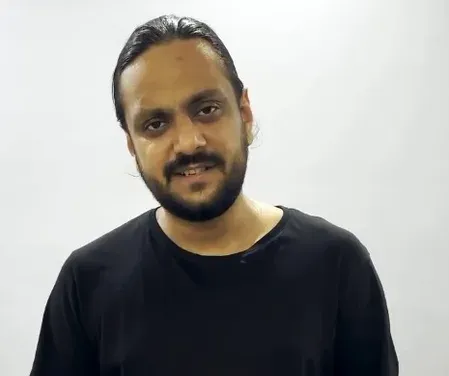
'The Traitors' star Karan Singh: Reality TV will only grow bigger in the AI era
Synopsis
Eliminated from 'The Traitors', magician Karan Singh makes a counterintuitive case: the more AI and synthetic content flood the internet, the more valuable raw, unscripted reality TV becomes. It's a bold bet on authenticity at a time when the line between real and fake is blurring fast.
Key Takeaways
Karan Singh , a magician, was eliminated from Prime Video's 'The Traitors' alongside Soundous Mouafakir , Harman Singha , and Munawar Faruqui .
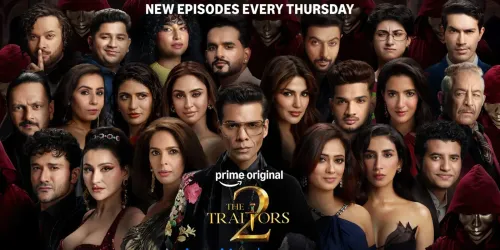
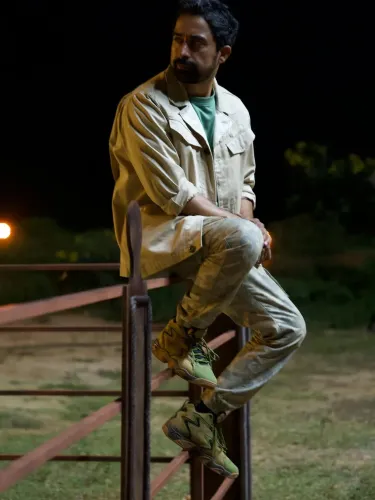
Singh argues that the rise of AI and synthetic content will make reality TV more appealing, not less, as audiences seek authentic, unscripted experiences. 'The Traitors' features 21 contestants from entertainment, social media, food, and other fields, including Mallika Sherawat , Rhea Chakraborty , and Ranveer Brar .
The show, built around trust and deception, streams on Prime Video and has generated significant buzz this season.
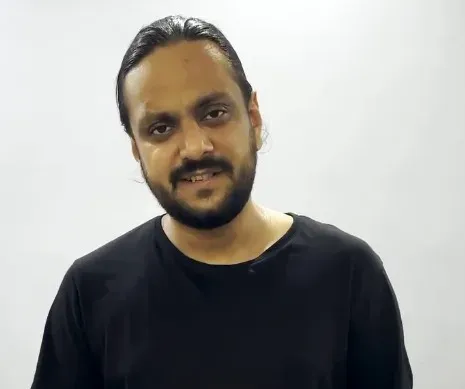
Magician and reality television contestant Karan Singh, recently eliminated from Prime Video's 'The Traitors', has said he believes the reality TV genre is poised for significant growth — not decline — in an age increasingly dominated by artificial intelligence and digital content.
Karan Singh on Reality TV's Future
Singh, who exited the show alongside fellow contestants Soundous Mouafakir, Harman Singha, and Munawar Faruqui, pushed back against the notion that social media and technology are eroding the appeal of reality programming. 'No, I think it's going to become even better,' he said after his elimination. 'I think with AI coming in with so many fake things going on everywhere, you don't know what to trust when you see something online. I think the idea of reality is that it is so real, it's not AI, it's not Photoshop, and it's not fake.'
He added, 'What you're seeing is what you're getting. So I think it's only going to become bigger and you've seen it over the last couple of years. It's just going to get bigger and bigger till it reaches for the stars. And I don't think artists have anything to worry about when it comes to reality.'
About 'The Traitors' on Prime Video
'The Traitors' brought together 21 contestants drawn from entertainment, television, social media, food, and other industries. The season's cast includes prominent names such as Munawar Faruqui, Mallika Sherawat, Shweta Tiwari, Rhea Chakraborty, Abhishek Malhan, Shalini Passi, and Ranveer Brar.
How the Show Works
The format centres on trust, deception, and shifting strategic alliances. Contestants must identify hidden 'Traitors' among them while safeguarding themselves from elimination. The current season has generated considerable buzz through dramatic confrontations, surprise eliminations, and evolving alliances — making it one of the more talked-about reality formats on Indian streaming platforms.
Why Singh's View Matters
Singh's perspective is notable given the broader debate about whether the proliferation of short-form content and AI-generated media is cannibalising traditional reality programming. His argument — that authenticity becomes more valuable as synthetic content multiplies — reflects a view gaining traction among content creators and streaming executives alike. Whether audiences ultimately reward that authenticity with sustained viewership remains to be seen as the season progresses.
Point of View
Unscripted human drama acquires a scarcity premium. The irony is that reality TV, long dismissed as lowbrow, may be better positioned than prestige scripted drama to survive the AI content flood. Whether Indian streaming platforms capitalise on that structural advantage — or dilute it with increasingly produced 'reality' formats — is the real question the industry needs to answer.
NationPress
19 Aug 2026
Frequently Asked Questions
Why was Karan Singh eliminated from 'The Traitors'?
The show has not publicly detailed the specific circumstances of Karan Singh's elimination. He exited 'The Traitors' along with Soundous Mouafakir, Harman Singha, and Munawar Faruqui as part of the show's ongoing trust-and-deception format on Prime Video.
What is 'The Traitors' on Prime Video?
'The Traitors' is a reality competition streaming on Prime Video that features 21 contestants from entertainment, social media, food, and other backgrounds. Contestants must identify hidden 'Traitors' among them while avoiding elimination through strategic alliances and trust-building.
Who are the contestants on 'The Traitors' India?
The season's cast includes Munawar Faruqui, Mallika Sherawat, Shweta Tiwari, Rhea Chakraborty, Abhishek Malhan, Shalini Passi, Ranveer Brar, Karan Singh, Soundous Mouafakir, and Harman Singha, among others.
What did Karan Singh say about the future of reality TV?
Singh said reality TV will grow 'bigger and bigger till it reaches for the stars,' arguing that as AI and fake content proliferate online, the authenticity of unscripted reality programming becomes more — not less — appealing to audiences.
How does 'The Traitors' format work?
The show is built around trust, deception, and strategy. A group of hidden 'Traitors' competes against 'Faithfuls,' who must identify and eliminate the Traitors before the Traitors eliminate them. Shifting alliances and dramatic confrontations drive each episode.