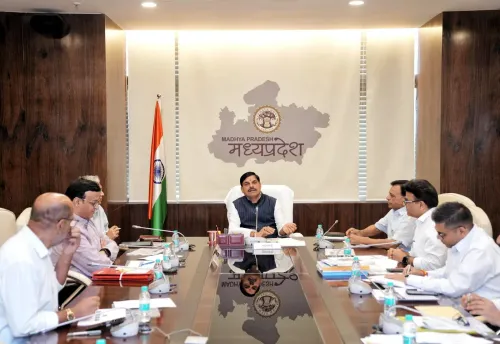
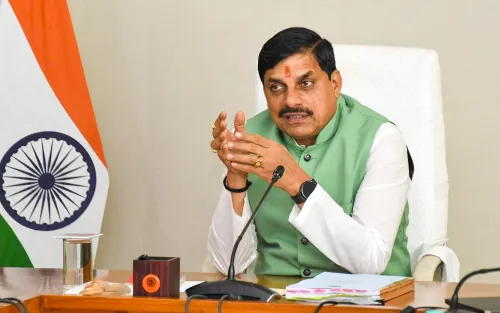
CM Mohan Yadav opens Germany's Benecke unit in Bhopal
Synopsis
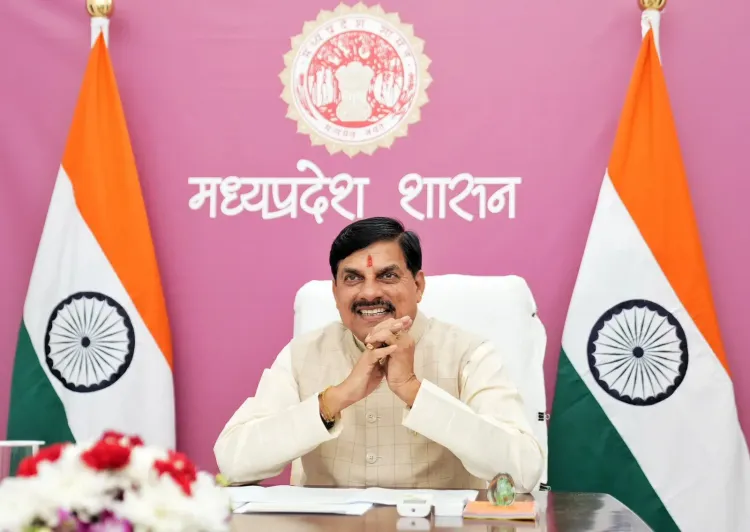
Madhya Pradesh CM Dr. Mohan Yadav virtually inaugurated Germany's Benecke Group plant in Bhopal's Acharpura Industrial Area on November 12, 2026. The ₹160-crore unit will produce hygiene non-woven material for diapers and sanitary napkins — previously imported — with annual capacity of ₹300 crore, boosting self-reliance and local employment.
Key Takeaways
Germany's Benecke Group has set up a manufacturing unit in Acharpura Industrial Area, Bhopal , inaugurated virtually by CM Dr.
Mohan Yadav on November 12, 2026 .
The plant will produce hygiene non-woven material used in diapers and sanitary napkins — a product category India has until now imported.
Total investment in the unit stands at approximately ₹160 crore , with an annual production capacity valued at ₹300 crore .
The project advances both the Make in India and Atmanirbhar Bharat policy goals, targeting self-reliance in health and hygiene manufacturing.
The unit is expected to generate employment in Bhopal and strengthen Madhya Pradesh's industrial investment profile.
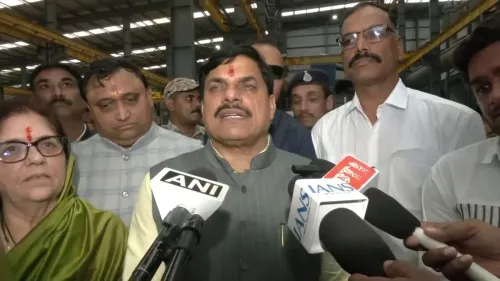
A manufacturing gap that cost India foreign exchange every year just got smaller. Madhya Pradesh Chief Minister Dr. Mohan Yadav on Thursday, November 12, 2026, virtually inaugurated a new production unit of Germany's Benecke Group at the Acharpura Industrial Area in Bhopal — a plant that will, for the first time, manufacture hygiene non-woven material domestically for use in diapers and sanitary napkins, a category India has historically imported.
What rolls off the Acharpura line — and why it matters
The plant is built around a single, quietly significant product: hygiene non-woven material — the soft, absorbent layer at the core of every diaper and sanitary napkin. Until now, manufacturers across India sourced this material from abroad. The Bhopal facility changes that supply equation, anchoring production on Indian soil and reducing the country's dependence on imports for one of its most essential categories of personal hygiene goods.
Established at an investment of approximately ₹160 crore, the unit carries an annual production capacity worth roughly ₹300 crore. CM Yadav framed the launch explicitly in terms of women, mothers, and children — the primary end-users of these products — describing it as a step toward aatmanirbharta (self-reliance) in hygiene and health.
Acharpura's place in Madhya Pradesh's investment push
Madhya Pradesh has worked systematically to position its dedicated industrial zones as destinations for both domestic and foreign capital. The Acharpura corridor in Bhopal is one such zone designed to attract manufacturing investment and generate employment in the state's capital region. The Benecke Group unit fits neatly into that design — a foreign manufacturer, an import-substitution product, and a formal industrial cluster.
The plant also sits squarely within two national policy frameworks: the Make in India initiative launched in 2014 and the Atmanirbhar Bharat campaign announced in 2020, both aimed at converting India from an importer of manufactured goods into a producer. Hygiene materials — given their link to maternal health and child welfare — have been a specific focus within the broader Atmanirbhar health push.
Jobs, scale, and what comes next
Beyond the production numbers, the unit is expected to generate direct employment in Bhopal — though formal workforce figures will emerge once commercial production ramps up fully. For Madhya Pradesh's industrial development story, the Benecke inauguration adds a foreign-investment data point that the state can carry into future investor summits.
The sharper question now: how quickly does the plant reach its stated ₹300 crore annual production threshold, and does it catalyse further investment in the Acharpura zone from other hygiene or personal-care manufacturers looking to cluster near a proven supply-chain anchor?
India's hygiene sector is growing fast, driven by rising rural penetration of sanitary products and government-backed awareness schemes. A domestic non-woven material supplier at scale does not just serve one plant — it can undercut import costs for the entire ecosystem. Bhopal, quietly, may have just become a node in that chain.
Point of View
A sector that has expanded rapidly with rural awareness campaigns and government-backed sanitation schemes. For CM Mohan Yadav, anchoring a German manufacturer's first India unit in Madhya Pradesh adds credibility to the state's investor-outreach pitch ahead of future industrial summits. The ₹160-crore investment is modest in absolute terms but significant as a category opener: a domestic non-woven material supplier can reduce input costs for the entire Indian diaper and sanitary-pad industry. The real indicator of success will be whether the Acharpura plant triggers a cluster effect, drawing ancillary hygiene manufacturers to Bhopal in its wake.
NationPress
12 Nov 2026
Frequently Asked Questions
What will the Benecke Group plant in Bhopal produce?
The plant will manufacture hygiene non-woven material used in diapers and sanitary napkins — a product that was previously imported into India. It is located in the Acharpura Industrial Area in Bhopal, Madhya Pradesh.
How much has Germany's Benecke Group invested in the Bhopal plant?
The Benecke Group unit has been established with an investment of approximately ₹160 crore and carries an annual production capacity valued at around ₹300 crore.
Who inaugurated the Benecke Group plant in Madhya Pradesh?
Madhya Pradesh Chief Minister Dr. Mohan Yadav virtually inaugurated the plant on November 12, 2026, as part of the state's ongoing industrial development drive.
How does the Bhopal non-woven material plant connect to Make in India?
The unit directly supports the Make in India and Atmanirbhar Bharat goals by producing domestically a hygiene material that India has historically imported, reducing foreign exchange outflow and building a local supply chain.
Will the Benecke Group plant create jobs in Madhya Pradesh?
Yes, CM Mohan Yadav described the unit as a driver of employment generation in the state. Specific workforce numbers are expected to be reported once commercial production begins at full scale.