CM Bhagwant Mann touts free power, Goindwal plant buyout
Synopsis
Punjab Chief Minister Bhagwant Mann says his government has backed free-electricity promises with structural reforms — restarting the Pachhwara coal mine to cut procurement corruption and spending ₹1,100 crore to bring the private Goindwal Sahib thermal plant into public ownership.
Key Takeaways
Punjab CM Bhagwant Mann posted on 12 November 2026 outlining two key power-sector interventions by the AAP government.
The Pachhwara coal mine , shut under previous governments, was restarted to curb alleged commission-based procurement corruption.
The state acquired the private Goindwal Sahib thermal power plant for approximately ₹1,100 crore , transferring it to public ownership.
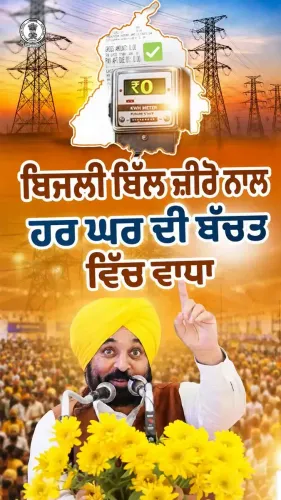
The AAP government came to power in March 2022 promising free electricity up to 300 units per household and improved supply reliability.
The moves mirror AAP's energy strategy in Delhi — reducing private-sector involvement and asserting public control over generation assets.
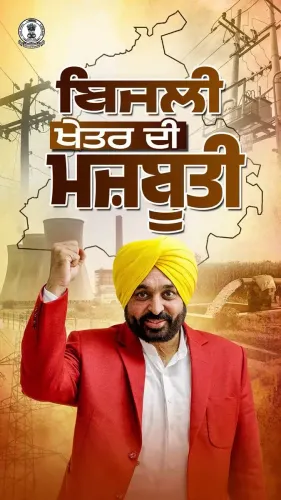
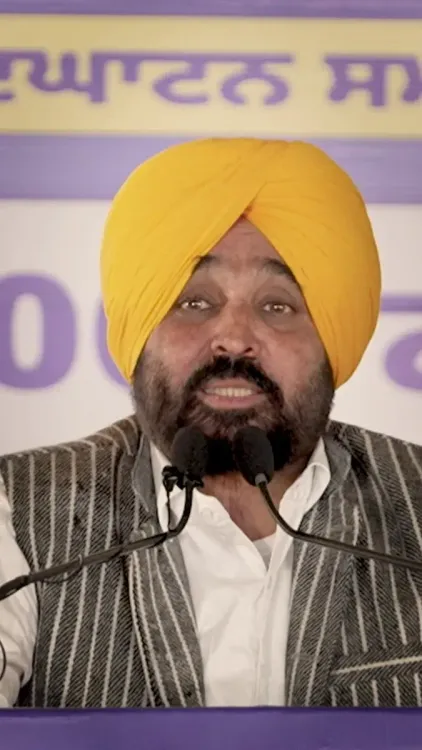
Punjab's power sector has been quietly rewired — and Chief Minister Bhagwant Mann wants voters to know exactly how. On Thursday, 12 November 2026, the Aam Aadmi Party leader took to X to remind Punjab residents that his government's electricity promise went beyond waiving bills: it meant rebuilding the supply chain from the ground up.
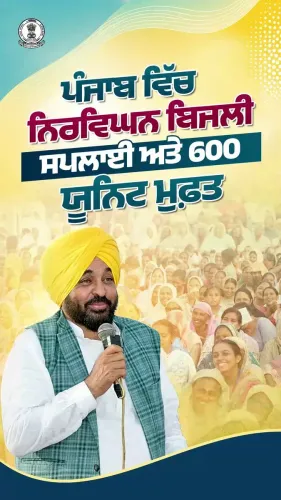
Posting in Punjabi, Mann declared: 'ਤੁਹਾਡੀ ਆਪਣੀ ਸਰਕਾਰ ਨੇ ਸਿਰਫ਼ ਬਿਜਲੀ ਮੁਫ਼ਤ ਹੀ ਨਹੀਂ ਕੀਤੀ, ਸਗੋਂ ਸੂਬੇ ਵਿੱਚ ਨਿਰਵਿਘਨ ਬਿਜਲੀ ਸਪਲਾਈ ਵੀ ਯਕੀਨੀ ਬਣਾਈ ਹੈ' — 'Your own government has not only made electricity free, but has also ensured uninterrupted power supply in the state.' Two specific actions formed the backbone of that claim.
Pachhwara mine restarted, commissions curbed
The first was the revival of the Pachhwara coal mine, which Mann says had been shuttered under previous governments. His administration claims the restart cut out the middlemen — directly attacking what he called ਕਮਿਸ਼ਨਖ਼ੋਰੀ ('commission-eating', or procurement corruption) — and channelled coal directly into Punjab's power plants without the layer of private brokerage that had allegedly inflated costs.
The Pachhwara block, located in Jharkhand, has historically been a critical coal source for Punjab's thermal generation. Idling it, critics of past governments argued, forced expensive spot-market purchases and created opportunities for rent-seeking. Restarting it, Mann's government contends, restored a cheaper, cleaner procurement route.
The ₹1,100 crore acquisition of Goindwal Sahib thermal plant
The second, and arguably bolder, move: the state government says it spent approximately ₹1,100 crore to purchase the private Goindwal Sahib thermal power plant and transfer ownership to the people of Punjab. Mann framed it in strikingly direct language — the plant has been 'done in the name of the people of Punjab.'
The Goindwal Sahib plant, situated on the banks of the Beas in Fatehgarh Sahib district, had long operated under a private power purchase agreement. Converting it to state ownership, the government argues, removes a layer of profit extraction and gives Punjab direct control over generation capacity — a strategic hedge against grid shortfalls during peak summer demand.
AAP's energy playbook: Delhi model, Punjab scale
The moves fit a recognisable Aam Aadmi Party template. Since coming to power in March 2022 on a manifesto that promised free power up to 300 units per household, the party has consistently framed energy policy as the intersection of welfare and anti-corruption. In Delhi, the party reduced private-sector involvement in power distribution and positioned subsidised units as a flagship governance achievement. Punjab is now the larger canvas for the same argument.
Taken together — a revived public-sector coal mine, a privatised plant brought back under state control, and a free-electricity guarantee — Mann is constructing a narrative of end-to-end public ownership in a sector where previous governments are accused of presiding over systemic leakages. Whether the numbers hold up under independent scrutiny will determine whether the story sticks.
Point of View
AAP insulates the subsidy from 'revdi' (freebie) criticism — a line of attack the central government and opposition parties have pressed hard across multiple states. The Goindwal Sahib purchase is the more consequential signal: it suggests the party is willing to deploy state capital to expand public generation capacity, a model that runs against the prevailing privatisation trend in Indian power infrastructure. How the acquisition's finances and operational outcomes hold up over the next budget cycle will test whether the narrative is governance reality or electoral messaging.
NationPress
12 Nov 2026
Frequently Asked Questions
What did Bhagwant Mann announce about Punjab's electricity in November 2026?
CM Bhagwant Mann stated that his government restarted the Pachhwara coal mine to cut procurement irregularities and acquired the private Goindwal Sahib thermal power plant for approximately ₹1,100 crore, transferring it to public ownership to support free and uninterrupted power supply.
What is the Pachhwara coal mine and why is it significant for Punjab?
The Pachhwara coal block in Jharkhand is a key coal source for Punjab's thermal power plants. Mann's government claims it was shut during previous administrations, forcing expensive spot purchases; restarting it is said to have restored cheaper, direct coal supply and curbed middlemen.
How much did Punjab pay to acquire the Goindwal Sahib thermal plant?
According to CM Mann's post, the Punjab government invested approximately ₹1,100 crore to purchase the Goindwal Sahib private thermal power plant and bring it under public ownership.
What was AAP's electricity promise in the 2022 Punjab election?
The Aam Aadmi Party's 2022 Punjab election manifesto promised free electricity up to 300 units per household along with improved and uninterrupted power supply across the state.
How does Punjab's power policy compare to AAP's approach in Delhi?
Both follow a similar template: subsidised or free units for households, reduced private-sector involvement in generation and procurement, and a focus on eliminating perceived leakages. Punjab's mine revival and plant acquisition are larger-scale versions of the structural changes AAP implemented in Delhi's distribution network.