CM Mann Secures Power, Coal Assurance from Union Minister Khattar
Synopsis
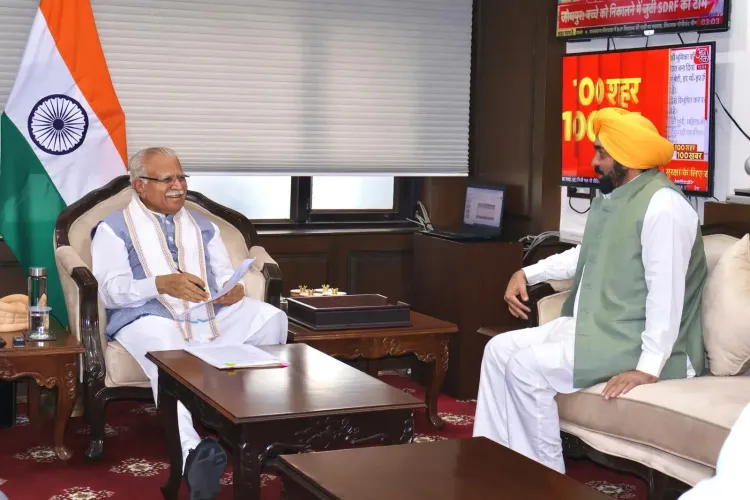
Punjab CM Bhagwant Mann met Union Power Minister Manohar Lal Khattar on 15 October 2026 to press for uninterrupted electricity and coal supply, citing Punjab's contribution of 180 lakh MT of rice to India's national foodgrain reserves. The minister reportedly accepted nearly all demands.
Key Takeaways
Punjab CM Bhagwant Mann held a key meeting with Union Power Minister Manohar Lal Khattar on 15 October 2026 .
Mann cited Punjab's contribution of 180 lakh metric tonnes of rice to India's central foodgrain pool as grounds for uninterrupted power supply.
Minister Khattar reportedly accepted 'almost all' of Punjab's demands and assured uninterrupted electricity and coal supply.
Mann assured the Centre that Punjab will continue its major contribution to national food security.
The engagement highlights recurring centre-state friction over coal linkages and grid power for Punjab's agricultural sector.
Follow-through on coal allocation to Punjab's thermal plants ahead of the next paddy season is the key metric to watch.
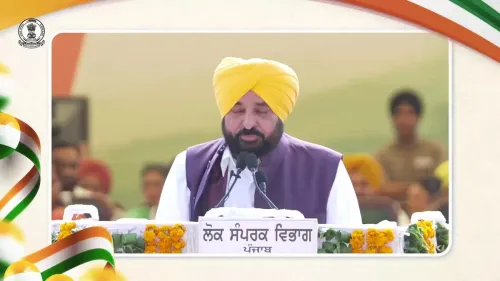
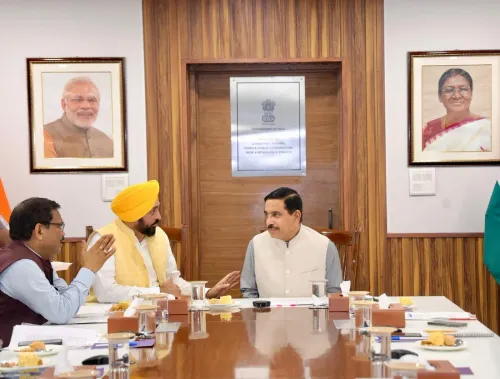
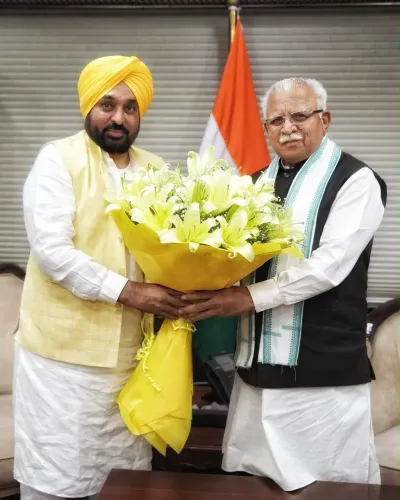
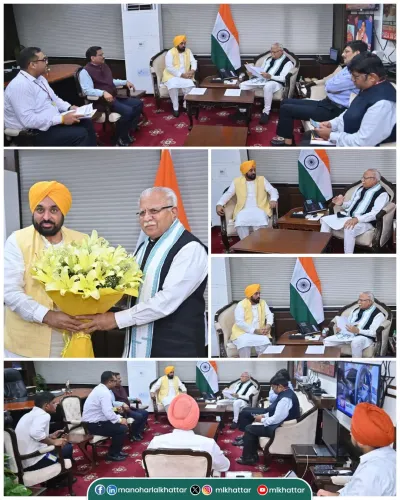
Punjab's farms run on electricity as much as they run on water — and on Thursday, 15 October 2026, Punjab Chief Minister Bhagwant Mann walked out of a high-stakes meeting with Union Power Minister Manohar Lal Khattar with something concrete in hand: an assurance of uninterrupted power and coal supply for the state.
Posting in Punjabi on X, CM Mann described the discussions as 'meaningful' (sarthak charcha), anchoring Punjab's demand firmly in its national duty. 'Punjab produces 180 lakh metric tonnes of rice for the country's foodgrain reserves,' he wrote, 'and for that, we need uninterrupted electricity.' The argument was straightforward — feed the nation, get the power to do it.
The 180 Lakh MT Argument: Punjab's Bargaining Chip
It is a lever Punjab has pulled for decades — and with reason. Since the Green Revolution of the late 1960s, the state has been the backbone of India's Food Corporation central pool, pumping paddy into national stockpiles that feed welfare schemes across the country. That contribution is also power-hungry: paddy cultivation demands sustained electricity for tube-well irrigation across millions of acres during the critical kharif season.
The recurring friction between New Delhi and Chandigarh over coal allocation to Punjab's thermal plants and the adequacy of grid power during peak agricultural periods is not new. What changes each season is the urgency — and this October, CM Mann chose to press the case directly with the minister who controls the switch.
Khattar's Assurance and What Mann Promised in Return
CM Mann said Minister Khattar accepted 'almost all' of Punjab's demands, committing to uninterrupted supply of both electricity and coal. In return, Mann gave the Centre his own assurance: that Punjab will continue to make its 'big contribution' to the national foodgrain pool. The exchange — energy security for food security — captures the federal compact at its most practical.
The meeting also signals a degree of functional coordination between an AAP-governed state and the BJP-led Union government that often gets obscured by political noise. When granaries and grid stability are on the table, the conversation tends to cut through the theatre.
What Comes Next for Punjab's Thermal Plants and Farmers
The real test will come at implementation — specifically, whether coal linkages to Punjab's thermal power stations are honoured ahead of the next paddy season, and whether the Ministry of Power follows through with formal directives. State power utilities and farmers in districts like Ludhiana, Sangrur, and Amritsar — where tube-well dependency is highest — will be watching for any disruption the moment temperatures rise and irrigation demand spikes.
Mann closed his post with 'Inquilab Zindabad!' — 'Long live the revolution!' — a rallying cry that carries both political identity and, in this context, a pointed message: the fight for Punjab's farmers is ongoing, and today's meeting is a step, not a finish line.
Point of View
Mann frames an energy demand as a national obligation rather than a political ask, making refusal considerably harder. The reported acceptance of 'almost all' demands, if followed through in coal and grid allocations, would represent a meaningful working relationship between an AAP state and the BJP-led Centre — one that both sides have an incentive to maintain as food security remains a politically sensitive priority ahead of any election cycle.
NationPress
15 Oct 2026
Frequently Asked Questions
Why did Bhagwant Mann meet Manohar Lal Khattar in October 2026?
Punjab CM Bhagwant Mann met Union Power Minister Manohar Lal Khattar on 15 October 2026 to seek assurances of uninterrupted electricity and coal supply for Punjab, linking the demand to the state's role in producing 180 lakh metric tonnes of rice for India's national foodgrain reserves.
How much rice does Punjab contribute to India's central food pool?
According to CM Bhagwant Mann's post on 15 October 2026, Punjab contributes 180 lakh metric tonnes of rice to India's national foodgrain reserves — a figure he used to argue for priority power and coal allocation from the Centre.
Did the Centre agree to Punjab's power and coal demands?
CM Mann stated that Union Power Minister Manohar Lal Khattar accepted 'almost all' of Punjab's demands and gave assurances of uninterrupted electricity and coal supply, though formal directives and implementation are yet to be confirmed.
Why does Punjab need uninterrupted electricity for farming?
Punjab's paddy cultivation is heavily dependent on electric tube-wells for irrigation. During the kharif season, sustained power is critical to maintaining water supply across millions of acres, making electricity availability directly tied to agricultural output and national food security.
What is the history of Punjab's coal and power disputes with the Centre?
Centre-state friction over coal allocation to Punjab's thermal plants and adequate grid power during peak agricultural seasons has recurred for years. Punjab routinely raises these issues during paddy-sowing and harvest periods, citing its outsized contribution to India's foodgrain pool.