Heritage Foods Q2 profit drops 39% as milk procurement costs squeeze margins

Synopsis
Heritage Foods grew revenues by nearly 19% in Q2 FY27, but milk procurement costs rising 11% to ₹47.73 per litre wiped out the gains — dragging net profit down 39% to ₹31.3 crore. The irony: its value-added portfolio (lassi up 91%, ice cream up 81%) is booming, yet the very milk that feeds it is now the company's biggest margin threat.
Key Takeaways
Heritage Foods reported a 38.6 per cent YoY fall in consolidated net profit to ₹31.3 crore in Q2 FY27 , down from ₹51 crore in Q2 FY26.
Revenue from operations rose 18.6 per cent to ₹1,320 crore , driven by core milk and value-added products.
EBITDA margin compressed to 5.6 per cent from 6.9 per cent ; average milk procurement price rose 11 per cent to ₹47.73 per litre .
Value-added products posted outsized growth: lassi +91% , ice cream +81% , buttermilk +66% , paneer +38% , curd +26% in revenue.
Milk procurement volumes grew 7 per cent in Q2 FY27 despite monsoon-season supply constraints.
The company is expanding farmer outreach and procurement networks to ease supply-side pressure ahead of Q3 FY27.
Heritage Foods Limited reported a 38.6 per cent year-on-year decline in consolidated net profit for the quarter ended September 2026 (Q2 FY27), as surging milk procurement costs eroded profitability even as revenues hit a new high. The dairy major posted a net profit of ₹31.3 crore, down sharply from ₹51 crore in Q2 FY26, according to its stock exchange filing.
Revenue Growth Masks Margin Pressure
Revenue from operations rose a healthy 18.6 per cent year-on-year to ₹1,320 crore from ₹1,113 crore in the year-ago period, driven by expansion in the core milk business and accelerating demand across value-added products. However, top-line gains were offset by cost pressures lower in the income statement.
EBITDA declined 4.4 per cent to ₹73.8 crore from ₹77.2 crore, while the EBITDA margin narrowed significantly to 5.6 per cent from 6.9 per cent a year earlier — a compression of 130 basis points that underscores how input-cost inflation is eating into operating leverage.
Rising Procurement Costs: The Core Problem
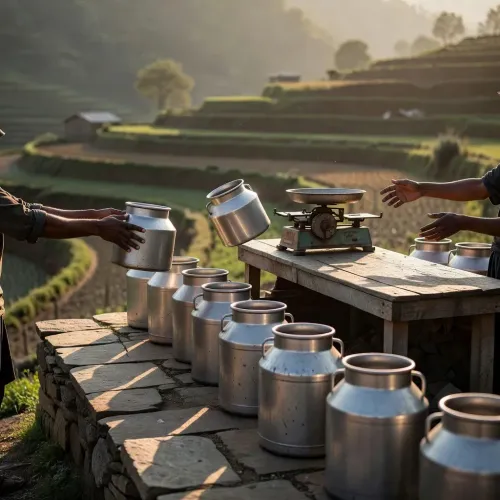
The company attributed the margin squeeze primarily to a spike in milk procurement prices. The average milk procurement price rose 11 per cent year-on-year to ₹47.73 per litre — an increase of ₹4.74 per litre over the previous year. Heritage Foods cited robust market demand, limited improvement in milk supply, and elevated feed and fodder costs as the key drivers behind the price increase.
Notably, this cost dynamic is not unique to Heritage Foods — several dairy firms across India have flagged similar procurement-side pressures through the monsoon season, when milk supply typically tightens due to reduced cattle productivity and higher fodder costs. Heritage Foods recorded 7 per cent growth in milk procurement volumes during the September quarter, and 4 per cent volume growth in the first half of FY27, even as supply constraints persisted.
Value-Added Products Deliver Standout Growth
The strongest performance came from Heritage Foods' value-added products portfolio, where consumer demand surged across nearly every category. Lassi revenue jumped 91 per cent year-on-year, ice cream climbed 81 per cent, buttermilk grew 66 per cent, paneer rose 38 per cent, and curd increased 26 per cent.
Volume growth mirrored this trend: lassi volumes surged 89 per cent, buttermilk 56 per cent, ice cream 44 per cent, paneer 21 per cent, and curd 15 per cent. The breadth of this expansion signals a structural shift in consumer preferences toward branded, processed dairy — a trend that plays to Heritage Foods' positioning but also exposes it to greater sensitivity around input costs.
Milk Business and Farmer Outreach
Heritage Foods' core milk business revenue grew 8.5 per cent year-on-year, supported by a 2.5 per cent increase in volumes, demand strength in key markets, and calibrated price hikes. Average milk realisation improved 6 per cent to ₹60.34 per litre. The company said it is deepening engagement with farmers and expanding procurement networks across villages to improve milk availability — a supply-side intervention that analysts will watch closely in coming quarters.
What to Watch Next
With procurement costs still elevated and the winter flush season expected to bring some supply relief, the trajectory of milk procurement prices in Q3 FY27 will be the key variable for margin recovery. The company's ability to pass on costs through further price hikes — without dampening volume momentum in value-added categories — will determine whether profitability rebounds in the second half of the fiscal year.
Point of View
The more exposed it becomes to raw milk cost volatility. An 11 per cent procurement price spike erasing the gains from 19 per cent revenue growth is a warning the industry cannot ignore. What's missing from the company's response is a credible hedge — whether through contract farming, cooperative deepening, or forward pricing — that decouples profitability from seasonal milk supply swings. Until that mechanism exists, every good quarter in lassi and ice cream risks being undone by a bad monsoon for cattle.
NationPress
15 Oct 2026
Frequently Asked Questions
What were Heritage Foods' Q2 FY27 financial results?
Heritage Foods reported a consolidated net profit of ₹31.3 crore in Q2 FY27 (quarter ended September 2026), a decline of 38.6 per cent from ₹51 crore in the same quarter last year. Revenue from operations, however, grew 18.6 per cent to ₹1,320 crore.
Why did Heritage Foods' profit fall despite revenue growth?
The primary reason was a sharp rise in milk procurement costs — the average procurement price increased 11 per cent year-on-year to ₹47.73 per litre. This squeezed EBITDA margins from 6.9 per cent to 5.6 per cent, eroding the gains from strong top-line growth.
Which Heritage Foods products showed the strongest growth in Q2 FY27?
Lassi led the pack with 91 per cent revenue growth and 89 per cent volume growth, followed by ice cream (81 per cent revenue, 44 per cent volume), buttermilk (66 per cent revenue, 56 per cent volume), paneer (38 per cent revenue), and curd (26 per cent revenue).
What is driving the rise in milk procurement prices for Heritage Foods?
Heritage Foods attributed the increase to robust consumer demand, limited improvement in milk supply — especially during the monsoon season — and elevated feed and fodder costs. These factors pushed the average procurement price up by ₹4.74 per litre year-on-year.
What steps is Heritage Foods taking to address supply constraints?
The company said it is deepening engagement with farmers and expanding its procurement networks across villages to improve milk availability. Milk procurement volumes still grew 7 per cent in Q2 FY27 despite supply pressures, and 4 per cent in the first half of FY27.