CM Mann Rolls Out 14,000 km Canal Pipeline for Punjab Farmers
Synopsis
The Chief Minister's Office of Punjab says the Mann government has ensured uninterrupted power for farm irrigation and laid a 14,000 km underground pipeline network to deliver canal water to every field in the state, addressing chronic groundwater depletion and power supply concerns.
Key Takeaways
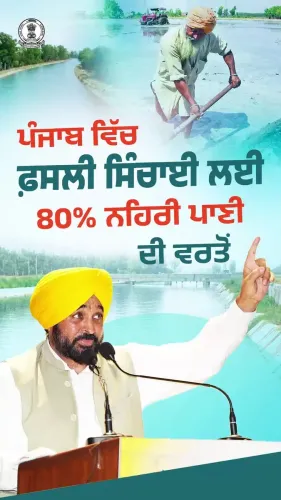
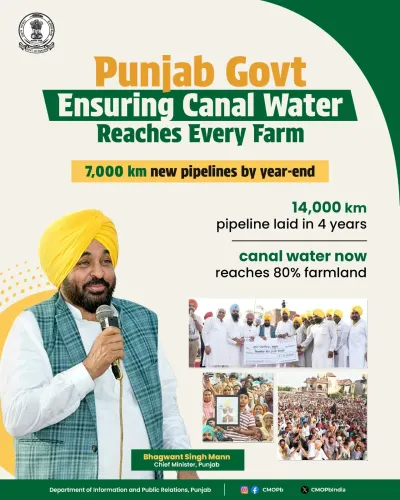
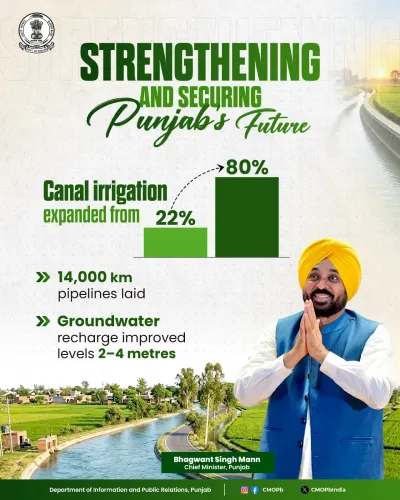
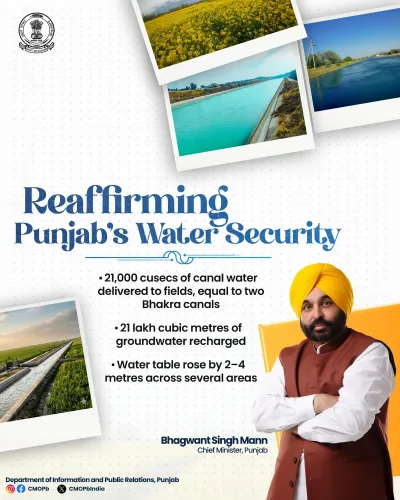
The Punjab government under CM Bhagwant Mann has announced a 14,000-kilometre underground pipeline network to carry canal water to every field in the state.
The initiative pairs piped canal water delivery with uninterrupted electricity supply for ground irrigation pumps.
The scheme targets Punjab's farming community , which has long faced erratic power supply and inequitable canal water access.
Punjab's groundwater tables have been declining for decades due to intensive paddy cultivation, making surface water delivery a critical priority.
The AAP government committed to free agricultural power and improved canal infrastructure in its 2022 election manifesto .
State budget allocations for maintenance and independent verification of coverage will determine the programme's long-term effectiveness.
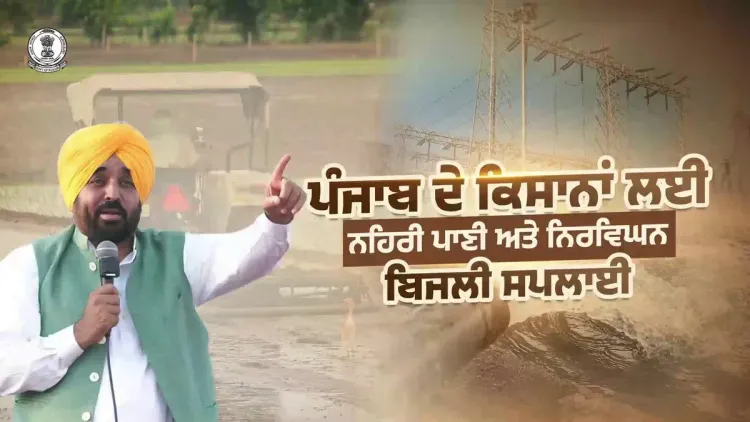
The Chief Minister's Office of Punjab announced on Friday, 12 June 2026 that the state government, under Chief Minister Bhagwant Mann, has ensured uninterrupted power supply for ground irrigation and promoted canal water use for farmland across the state, including the laying of a 14,000-kilometre underground pipeline network to carry canal water to every field in Punjab.
Context
The post, published in Punjabi, states: 'ਸੂਬੇ ਦੇ ਹਰ ਖੇਤ ਨੂੰ ਨਹਿਰੀ ਪਾਣੀ ਪਹੁੰਚਾਉਣ ਦੇ ਲਈ 14,000 ਕਿਲੋਮੀਟਰ ਅੰਡਰਗ੍ਰਾਊਂਡ ਪਾਈਪਲਾਈਨ ਦਾ ਮਜ਼ਬੂਤ ਜਾਲ ਵੀ ਵਿਛਾਇਆ ਗਿਆ ਹੈ' ('a strong network of 14,000 km of underground pipelines has also been laid to bring canal water to every field in the state'). The announcement highlights two parallel measures: reliable electricity for tubewell-based irrigation and a large-scale piped canal water distribution system.
Punjab is one of India's most agriculturally intensive states, with its economy anchored in wheat and paddy cultivation. The state's farmers have historically relied on both canal systems — primarily the Bhakra and Sirhind networks — and electric tubewells to meet irrigation needs.
Policy Backdrop
The Aam Aadmi Party government, which came to power in March 2022, made free power for agricultural pumps and improved canal water delivery central commitments in its election manifesto. Subsequent state budgets have earmarked funds for irrigation infrastructure as part of this agenda.
Underground piped canal networks are not new to Punjab — successive governments since the 1990s have periodically announced canal lining and pipe-laying projects aimed at reducing seepage losses and improving equitable water distribution. The current initiative appears to be the most expansive in stated scale, at 14,000 kilometres. Punjab's groundwater tables have faced sustained depletion due to decades of intensive paddy cultivation, making surface canal water delivery a critical policy priority.
Stakeholders and Impact
The primary beneficiaries are Punjab's farming community, which bears significant electricity costs for tubewell irrigation even where free power is available due to infrastructure constraints. A reliable underground pipeline network, if fully operational, could reduce dependence on groundwater pumping, lower power subsidy demand on the state exchequer, and deliver more equitable water access to tail-end fields that canal channels historically underserved.
The dual focus on uninterrupted power supply and canal water expansion addresses two of the most persistent complaints from farmers in the state — erratic electricity for pumps during the critical kharif sowing season and inadequate canal water reaching smaller or more remote holdings.
What's Next
Attention will now turn to state budget allocations for pipeline maintenance and operational upkeep of the new network, as well as district-level data on groundwater table recovery and changes in power subsidy expenditure. Independent verification of the 14,000 km coverage figure and the extent of completion across Punjab's 22 districts will be key to assessing the programme's on-ground impact. Any measurable reduction in tubewell usage or improvement in canal water reach could become a significant political and policy benchmark for the Mann government ahead of future electoral cycles.
Point of View
000 km of pipeline — against which delivery can be measured. Underground piped canal networks have a long history of announcement without full execution in Punjab, which means the figure will face scrutiny from opposition parties and farmer groups alike. If the network delivers measurable groundwater relief, it could reshape the state's costly power-subsidy arithmetic. The timing, mid-2026, also places it well within the political cycle ahead of the next Punjab assembly election.
NationPress
13 Sept 2026
Frequently Asked Questions
What is the 14,000 km underground pipeline project in Punjab?
It is a state government initiative under Chief Minister Bhagwant Mann to lay 14,000 kilometres of underground pipelines that carry canal water directly to farmland across Punjab, reducing dependence on groundwater tubewells.
Why is Punjab laying underground pipelines for canal water?
Punjab's groundwater tables have been falling for decades due to intensive paddy and wheat cultivation. Underground pipelines help deliver surface canal water more efficiently, reducing seepage losses and easing pressure on groundwater resources.
Will Punjab farmers get free electricity for irrigation under this scheme?
The CMO Punjab post states that uninterrupted power supply for ground irrigation has been ensured alongside the pipeline network. The AAP government has committed to free power for agricultural pumps since coming to power in 2022.
How does the Punjab underground canal pipeline benefit small farmers?
Smaller and remote landholdings historically received inadequate canal water through open channels. Underground pipelines are designed to deliver water more equitably, including to tail-end fields that were previously underserved.
What is Bhagwant Mann's irrigation policy for Punjab?
Chief Minister Bhagwant Mann's government has focused on combining free or subsidised electricity for tubewell irrigation with expanded canal water delivery through underground pipelines, aiming to reduce groundwater depletion and support the state's agricultural economy.