CM Mohan Yadav pitches Gandhi Sagar as MP's next tourism hub
Synopsis
Chief Minister Dr. Mohan Yadav declared Gandhi Sagar a rising tourism destination at an on-site cabinet meeting, citing water sports, a Chambal aarti, tent city, and rare vulture-watching boat rides, with its proximity to Indore, Ujjain, and Rajasthan flagged as a key growth driver.
Key Takeaways
Gandhi Sagar is being developed as a multi-activity tourism hub with water sports, boating, a tent city, and a Maa Chambal aarti .
The site offers boat-based viewing of endangered vulture species and migratory birds — a rare eco-tourism draw in central India.
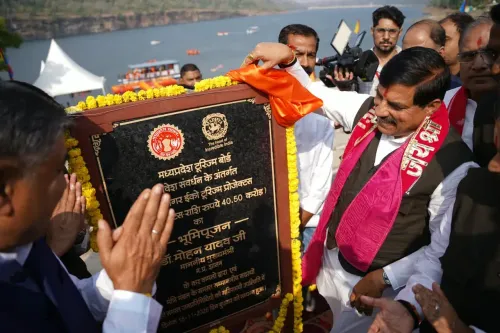
Mohan Yadav held a cabinet meeting at Gandhi Sagar on 18 November 2026 , signalling high-level administrative push for the region.
Proximity to Indore, Ujjain, and Rajasthan gives Gandhi Sagar natural tourist catchment from some of India's busiest heritage circuits.
Gandhi Sagar Dam was completed in 1960 as part of the Chambal Valley Development Project, originally designed for irrigation and power generation.
Madhya Pradesh has used on-site cabinet formats before to fast-track investment and coordination decisions at key development sites.
A dam-built reservoir on the Chambal, once synonymous with irrigation and hydropower, is being reimagined as Madhya Pradesh's next marquee tourism destination — and Chief Minister Dr. Mohan Yadav is making the pitch loud and clear.
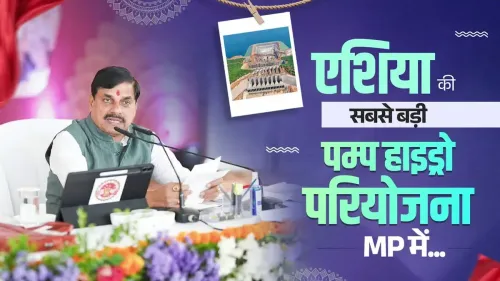
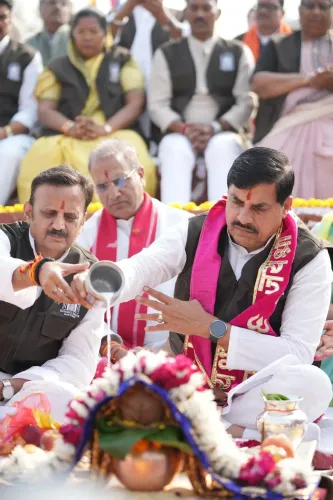
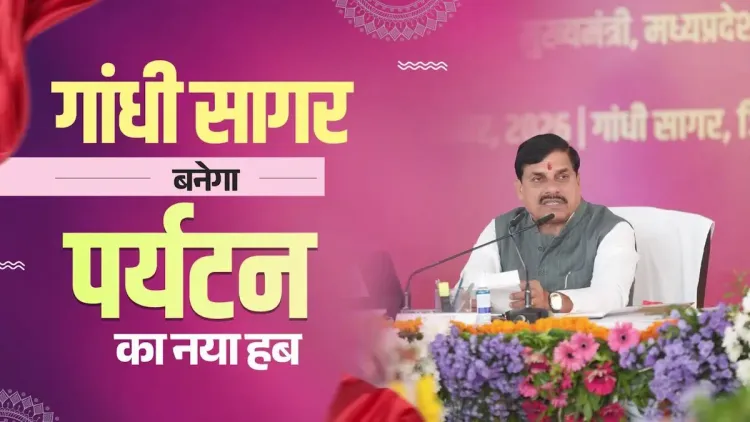
Speaking at what the state government is calling the Gandhi Sagar Cabinet meeting, CM Dr. Mohan Yadav outlined the region's expanding tourism profile, which now includes water sports, boating, a tent city, and an evening aarti (prayer ceremony) on the Chambal River — inspired by the celebrated riverfront rituals of Ujjain and Varanasi.
Vultures, migratory birds, and a boat ride unlike any other
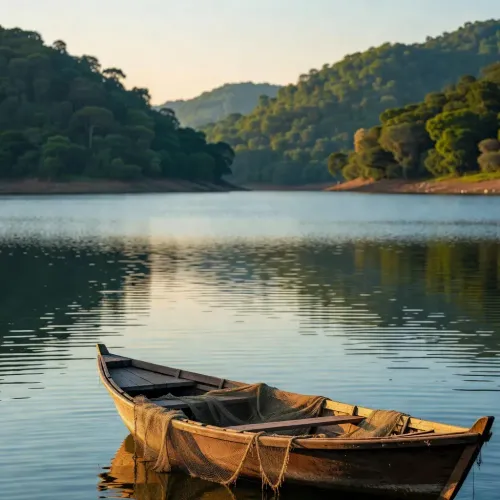
The Chief Minister highlighted what may be Gandhi Sagar's most unusual tourism draw: a boat ride that doubles as a wildlife conservation experience. The reservoir and its surrounding sanctuary are home to endangered vulture species, and visitors can observe ongoing conservation efforts from the water alongside a diverse population of migratory birds that use the Chambal corridor as a seasonal stopover.
That combination — adventure tourism layered over genuine ecological significance — is precisely the model Madhya Pradesh has been refining at its other sanctuaries. Gandhi Sagar sits at the intersection of two major wildlife corridors and is now being positioned as the state's next big eco-tourism node.
The geographic advantage: Indore, Ujjain, and Rajasthan within striking distance
Dr. Yadav's argument rests on simple geography. Gandhi Sagar Dam, completed in 1960 as part of the Chambal Valley Development Project, straddles the Madhya Pradesh–Rajasthan border. That places it within reasonable driving distance of Indore, Ujjain, and large swathes of Rajasthan — three of central India's highest-footfall tourist zones. The logic: if you can convert even a fraction of those visitors into Gandhi Sagar stopovers, the multiplier for local economies is significant.
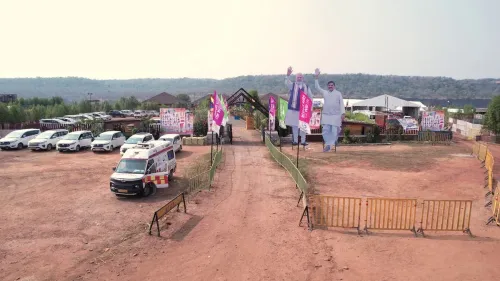
Madhya Pradesh Tourism has steadily built out tent-city infrastructure at remote natural sites to capture exactly this overnight-stay market, turning what were once day-trip detours into short-break destinations.
A cabinet meeting on-site — the signal that matters
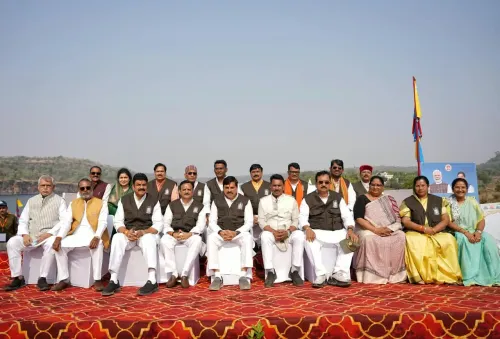
Holding a cabinet session at Gandhi Sagar itself — rather than in Bhopal — is a deliberate piece of political signalling. The state government has used the format before to accelerate project attention and ensure departmental coordination happens on the ground, not in a conference room. It places the region squarely on the administrative agenda and typically precedes structured investment decisions on land use, private hospitality concessions, and connectivity upgrades.
Whether those follow-through decisions materialise quickly will determine whether Gandhi Sagar's tourism ambitions move beyond announcement into infrastructure reality.
For a reservoir that has powered the region's fields and cities for over six decades, the next chapter looks very different — one measured not in megawatts, but in footfall.
Point of View
CM Mohan Yadav is using administrative theatre as a development accelerant — a tactic that bypasses bureaucratic inertia and forces departmental alignment in real time. The eco-tourism framing is shrewd: pairing conservation optics with commercial infrastructure allows the government to appeal simultaneously to wildlife advocates and hospitality investors. Gandhi Sagar's geographic position between MP's urban centres and Rajasthan's heritage belt could make it a genuine corridor destination, but the gap between cabinet-level attention and on-ground infrastructure delivery remains Madhya Pradesh Tourism's perennial challenge.
NationPress
18 Nov 2026
Frequently Asked Questions
What is Gandhi Sagar and where is it located?
Gandhi Sagar is a large reservoir and dam on the Chambal River , straddling the border of Madhya Pradesh and Rajasthan . Built in 1960 under the Chambal Valley Development Project, it serves irrigation and power generation and is surrounded by a wildlife sanctuary.
What tourism facilities are being developed at Gandhi Sagar?
The Madhya Pradesh government is developing water sports, boating, a tent city , and a Maa Chambal evening aarti at Gandhi Sagar, along with boat-based wildlife tours for viewing endangered vultures and migratory birds.
Which endangered species can be seen at Gandhi Sagar?
Gandhi Sagar is home to endangered vulture species , and the government is offering boat rides that allow visitors to observe active conservation efforts alongside diverse migratory bird populations that use the Chambal corridor.
Why is Gandhi Sagar considered strategically important for tourism?
Its proximity to major tourist and urban centres — Indore, Ujjain, and large parts of Rajasthan — gives Gandhi Sagar a natural catchment of visitors already travelling the region's heritage and pilgrimage circuits.
What is the Gandhi Sagar Cabinet meeting?
The Madhya Pradesh state cabinet held a meeting on-site at Gandhi Sagar on 18 November 2026 , a practice the government uses to focus administrative attention and speed up coordination for development projects in the region.