MP CM Mohan Yadav Clears Gandhi Sagar Pumped Hydro Project
Synopsis
The Madhya Pradesh cabinet, meeting at Gandhi Sagar in a 'Destination Cabinet' session, approved a Pumped Hydro Storage project that CM Dr. Mohan Yadav says will multiply power generation capacity by 20 times and was fast-tracked from a 10-year timeline to just 3 years.
Key Takeaways
The Chief Minister's Office of Madhya Pradesh announced a Pumped Hydro Storage (PHS) project at Gandhi Sagar reservoir on 18 November 2026.
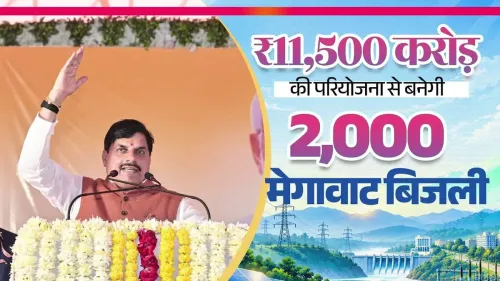
Mohan Yadav stated the project will increase power generation capacity by approximately 20 times .
The PHS technology reuses the same water repeatedly through turbines, with zero water wastage .
Work that typically takes 10 years was completed in 3 years , according to the CM.
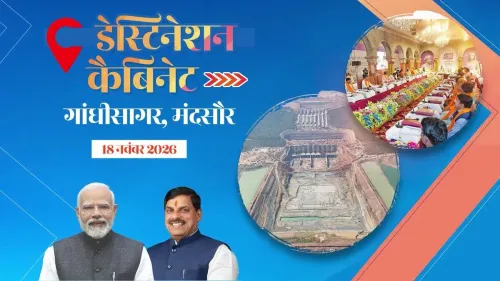
The cabinet session was held at Gandhi Sagar itself — a 'Destination Cabinet' format designed to accelerate on-site decision-making.
The project is positioned as a national model for other states seeking to fast-track large renewable energy storage infrastructure.
A reservoir that has quietly held water for decades is about to become one of Madhya Pradesh's most consequential energy assets. The Chief Minister's Office of Madhya Pradesh announced on Wednesday, 18 November 2026 that the state cabinet — meeting in an unprecedented 'Destination Cabinet' session at Gandhi Sagar — has greenlit a Pumped Hydro Storage (PHS) project that will multiply the site's power generation capacity by nearly 20 times.
What Gandhi Sagar's water will now do differently
Chief Minister Dr. Mohan Yadav framed the announcement in striking terms: 'ek bhi boond paani vyarth nahin hogi' — 'not a single drop of water will go to waste.' That is the core promise of pumped hydro storage, a technology that uses the same body of water repeatedly by pumping it uphill during off-peak hours and releasing it downhill through turbines when demand peaks. No fuel burned. No water consumed. The same molecules of water spinning turbines again and again.
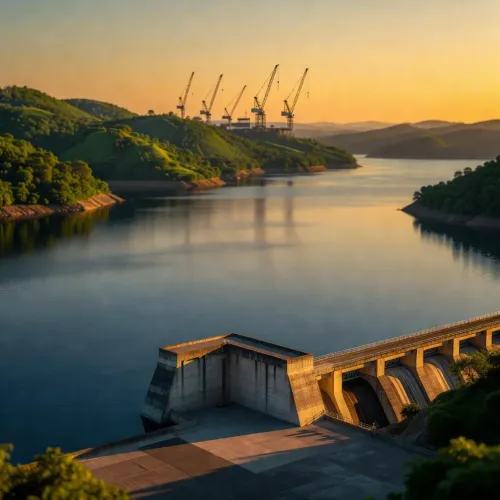
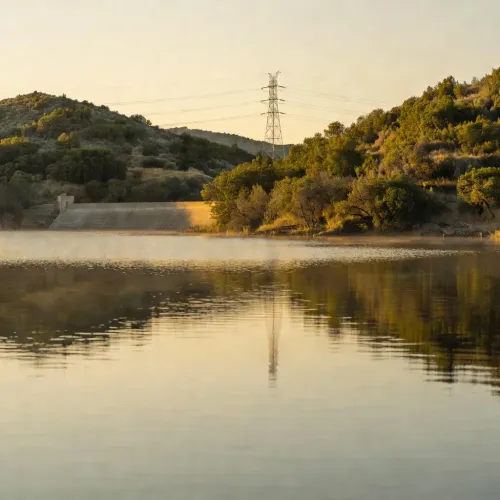
Gandhi Sagar reservoir, built on the Chambal River in the Mandsaur–Neemuch belt, already hosts a conventional hydropower station. The PHS upgrade layers a second-cycle system on top of that existing infrastructure, dramatically amplifying output without requiring a new dam or a fresh water source. The Chief Minister stated the project would raise generation capacity by approximately 20 times over the current baseline — a figure that, if delivered, would represent a step-change in Madhya Pradesh's renewable energy portfolio.
Three years instead of ten — the timeline claim
Perhaps the most politically charged line in the CM's statement is the timeline boast: a task that would 'normally take up to 10 years' has, he said, been completed in just 3 years. The claim encompasses the planning, approvals, and groundwork cleared through the Destination Cabinet mechanism — a format where the full state cabinet travels to a site of strategic importance, holds its session there, and makes on-the-spot decisions to cut bureaucratic lag.
Holding a formal cabinet sitting at Gandhi Sagar rather than in Bhopal is itself a signal: it forces ministers, secretaries, and planners to confront the terrain, the ecology, and the local economy in person before signing off. Dr. Yadav described this session as an effort to simultaneously surface Gandhi Sagar's energy potential, natural beauty, wildlife wealth, and tourism possibilities — framing the reservoir not merely as a power asset but as a destination brand.
A 'case study' the Centre and other states are meant to watch
The CM explicitly positioned the project as a national model, saying other Indian states should study Gandhi Sagar as a template for fast-tracking large renewable storage projects. That framing matters: India is in a race to build grid-scale storage to absorb its rapidly growing solar and wind generation, and pumped hydro — the world's dominant form of bulk energy storage — is central to that race. A state demonstrating that clearances and execution can be compressed from a decade to three years, if the claim holds up to scrutiny, is a genuinely useful data point for the country's energy planners.
The convergence of storage, tourism, and wildlife in a single policy moment is unusual — and deliberate. Gandhi Sagar sits adjacent to the Gandhi Sagar Wildlife Sanctuary, home to wolves, leopards, and a reintroduction-ready habitat. By spotlighting the full ecosystem in one cabinet session, the state is attempting to attract not just energy investors but also conservation funding and tourism infrastructure capital simultaneously.
India's energy storage ambitions just got a very specific address: a reservoir on the Chambal, in western Madhya Pradesh, where the same water will now do twenty times the work.
Point of View
A cabinet meeting held at the project site itself — to signal administrative urgency and investor confidence simultaneously. Pumped hydro storage is a rare area of bipartisan consensus in India's energy policy, making this a relatively low-risk win for Dr. Mohan Yadav to claim. The 20x capacity multiplier, if independently verified, would mark one of the more ambitious state-level renewable storage commitments in recent years. The bundling of energy, tourism, and wildlife into a single policy moment also reflects a maturing understanding that large infrastructure projects in ecologically sensitive zones require a social licence built on more than just megawatts.
NationPress
18 Nov 2026
Frequently Asked Questions
What is the Gandhi Sagar Pumped Hydro Storage project in Madhya Pradesh?
It is a grid-scale energy storage project at the Gandhi Sagar reservoir on the Chambal River, approved by the Madhya Pradesh cabinet, which will reuse the same reservoir water repeatedly through turbines to generate electricity — with CM Dr. Mohan Yadav claiming it will raise power output by nearly 20 times.
How does pumped hydro storage work?
Pumped hydro storage works by pumping water uphill to a reservoir during low-demand periods using surplus electricity, then releasing it downhill through turbines to generate power during peak demand — using the same water in repeated cycles without consuming or wasting it.
What is the Destination Cabinet format used in Madhya Pradesh?
Destination Cabinet is a format where the Madhya Pradesh state cabinet travels to a site of strategic importance, holds its official meeting there, and takes decisions on the spot — intended to speed up approvals and force ministers to engage directly with local conditions.
How long did it take to clear the Gandhi Sagar energy project?
CM Dr. Mohan Yadav stated the project was completed in just 3 years, against a typical timeline of up to 10 years for comparable infrastructure work.
Why is Gandhi Sagar significant beyond energy in Madhya Pradesh?
Gandhi Sagar sits adjacent to the Gandhi Sagar Wildlife Sanctuary and holds regional tourism potential; the state used the Destination Cabinet session to spotlight the area's natural beauty, wildlife wealth, and tourism possibilities alongside its energy capacity.