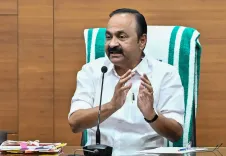
Giriraj Singh lauds Chhattisgarh Lakhpati Didis at IITF 2026
Synopsis
Textiles Minister Giriraj Singh on 18 November 2026 applauded Chhattisgarh's Lakhpati Didis at IITF 2026 for displaying Kosa silk, bell-metal craft and cotton textiles, calling them a model of rural women's self-reliance under the DAY-NRLM programme.
Key Takeaways
Union Textiles Minister Giriraj Singh praised Chhattisgarh's Lakhpati Didis at IITF 2026 in New Delhi on 18 November 2026 .
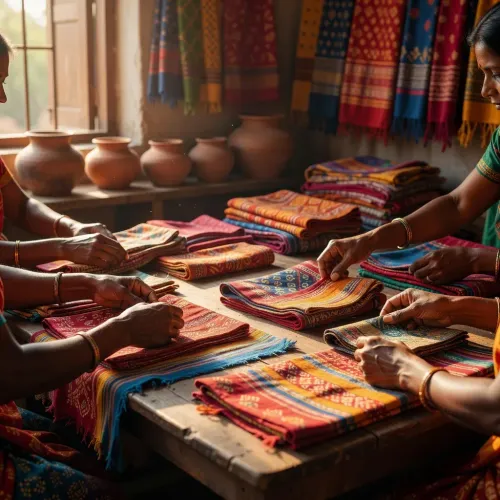
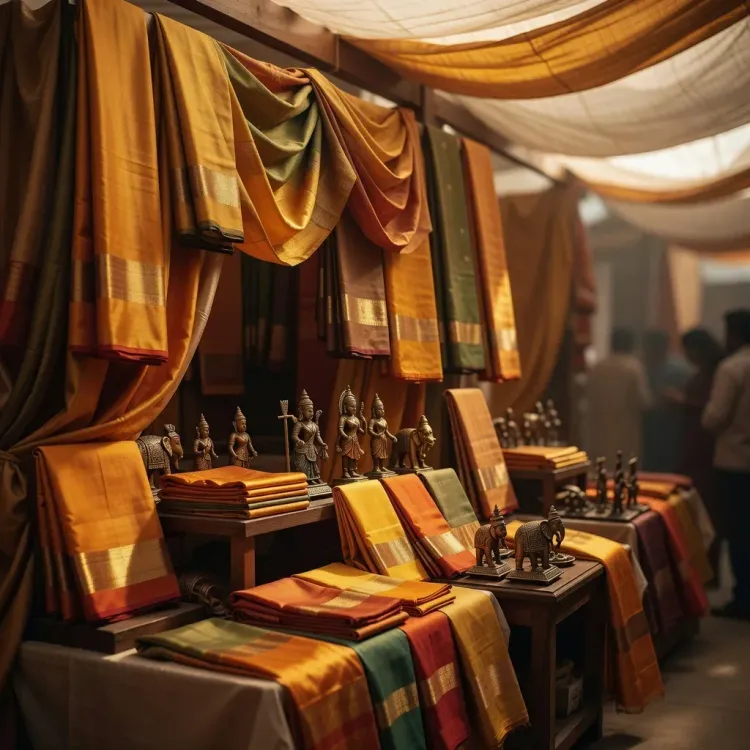
Products highlighted include Kosa silk sarees, jackets, cotton dress material and bell-metal craft from Chhattisgarh.
Lakhpati Didi is a component of DAY-NRLM , targeting annual household income of at least Rs 1 lakh for SHG women.
The Union Budget 2023-24 set a national target of two crore Lakhpati Didis across India.
Kosa silk and Bastar bell-metal craft both carry Geographical Indication status, underpinning their commercial authenticity.
IITF, organised by ITPO at Pragati Maidan , is increasingly used to link rural SHG producers with urban and export buyers.
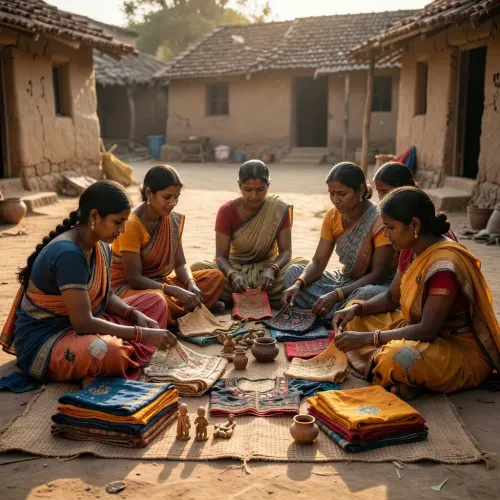
Kosa silk sarees woven by hand, cotton dress fabric dyed in village courtyards, and bell-metal figures shaped through an ancient lost-wax technique — the craft of Chhattisgarh's rural women has arrived at India's biggest trade stage. Union Textiles Minister Giriraj Singh on Wednesday, 18 November 2026 hailed the participation of the state's Lakhpati Didis at the India International Trade Fair (IITF) 2026 at Pragati Maidan, New Delhi, calling it a commendable platform for their skill and enterprise.
Posting in Hindi, the Minister wrote: 'Chhattisgarh ki Lakhpati Didiyon ka hunar aur udyamita gramin mahilaon ki aatmanirbharta aur pratibha ki sundar misal hai' — 'The skill and entrepreneurship of Chhattisgarh's Lakhpati Didis is a beautiful example of rural women's self-reliance and talent.' He specifically named Kosa silk sarees, jackets, cotton dress material and bell-metal craft as products that reflect their hard work and creativity.
What Lakhpati Didi means — and why it matters
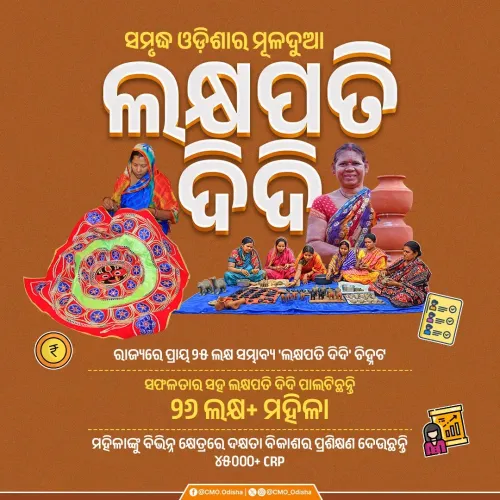
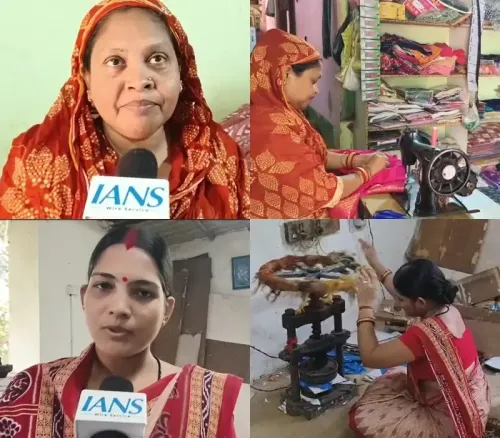
The Lakhpati Didi initiative runs under the Deendayal Antyodaya Yojana – National Rural Livelihoods Mission (DAY-NRLM), which supports women in self-help groups to earn at least Rs 1 lakh annually through diversified livelihoods. The Union Budget 2023-24 set a headline target of reaching two crore Lakhpati Didis across the country. Chhattisgarh, with its dense tribal population and mature craft clusters, sits at the intersection of that national ambition and centuries-old artisan tradition.
Kosa silk and Bastar bell metal: the products on show
Kosa silk — a variety of tussar silk unique to Chhattisgarh — is prized for its natural golden lustre and durability; it has sustained generations of handloom weavers across the state. Alongside it, Bastar bell-metal craft, a lost-wax casting tradition practised by tribal artisans in Bastar district, produces decorative ware and utensils of extraordinary intricacy. Both carry Geographical Indication status, anchoring their commercial value in authenticity.
IITF as a market-linkage bridge for rural clusters
The IITF, organised annually by the India Trade Promotion Organisation (ITPO), has increasingly become a shop-window for handloom and handicraft clusters backed by central rural-livelihood programmes. Central ministries have used the fair to connect self-help group producers directly with urban buyers, exporters, and institutional purchasers — compressing a supply chain that once depended entirely on middlemen. For Chhattisgarh's weavers and metal craftswomen, the 2026 edition represents precisely that bridge.
The real test, as observers note, is what follows the fair: whether buyer interest translates into sustained orders, and whether the state scales similar market-linkage events at the district level. A minister's endorsement from the textiles portfolio carries policy weight — it signals institutional attention to a cluster that has historically struggled to move beyond local haats.
Point of View
Using visible trade platforms to demonstrate policy outcomes. The Textiles Ministry's visible championing of Chhattisgarh's craft clusters also signals an intent to deepen industrial linkages for GI-tagged products, moving beyond ceremonial patronage. IITF market access for SHG producers is a low-cost, high-visibility intervention, but its long-term impact depends on whether buyer connections made at the fair convert into repeatable commercial relationships. The convergence of a senior minister's endorsement with a nationally watched trade fair gives Chhattisgarh's handloom and handicraft ecosystem a rare moment of federal spotlight.
NationPress
18 Nov 2026
Frequently Asked Questions
What is Lakhpati Didi scheme in India?
Lakhpati Didi is a component of the Deendayal Antyodaya Yojana – National Rural Livelihoods Mission (DAY-NRLM) that supports women in self-help groups to earn at least Rs 1 lakh per year through diversified livelihoods. The Union Budget 2023-24 set a target of two crore Lakhpati Didis nationwide.
What is Kosa silk and where is it produced?
Kosa silk is a variety of tussar silk unique to Chhattisgarh, known for its natural golden sheen. It is produced by handloom weavers across the state and carries Geographical Indication status.
What is Bastar bell metal craft?
Bastar bell metal craft is a traditional lost-wax casting technique practised by tribal artisans in Bastar district, Chhattisgarh. It produces decorative items and utensils of intricate design and is a GI-tagged product.
What is IITF and where is it held?
The India International Trade Fair (IITF) is an annual exhibition organised by the India Trade Promotion Organisation (ITPO) at Pragati Maidan, New Delhi. It provides a national market platform for domestic producers including handloom and handicraft clusters.
What did Giriraj Singh say about Chhattisgarh women at IITF 2026?
Union Textiles Minister Giriraj Singh on 18 November 2026 praised the Lakhpati Didis of Chhattisgarh for showcasing Kosa silk sarees, jackets, cotton dress material and bell-metal craft at IITF 2026, calling the platform a commendable opportunity to highlight their skill and self-reliance.