Jaishankar Addresses 9th India-Japan Indo-Pacific Forum
Synopsis
EAM Dr. S. Jaishankar addressed the 9th India-Japan Indo-Pacific Forum in New Delhi via video message on November 18, 2026, underscoring the two nations' sustained commitment to a free, open, and inclusive Indo-Pacific across maritime security, connectivity, and supply-chain resilience.
Key Takeaways
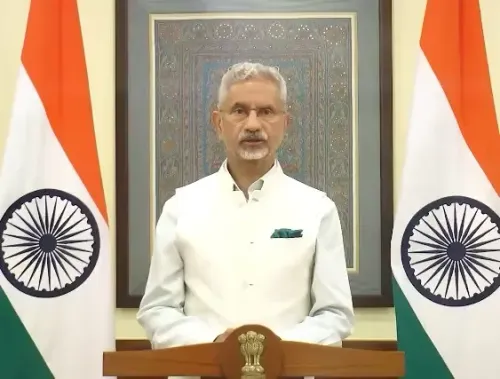
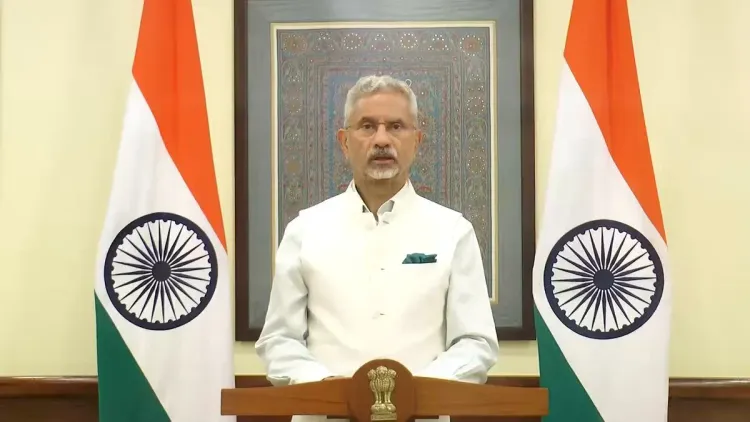
Jaishankar delivered a video message for the 9th India-Japan Indo-Pacific Forum in New Delhi on November 18, 2026 .
The forum is a recurring bilateral platform; India and Japan have held annual summits since 2006 under their 'Special Strategic and Global Partnership.' Cooperation areas include maritime security , connectivity , and supply-chain resilience across the Indo-Pacific.
The forum complements minilateral mechanisms including the Quad (India, Japan, Australia, United States).
Outcomes from the 9th edition are expected to feed into the next India-Japan Annual Summit and Quad Foreign Ministers' Meeting .
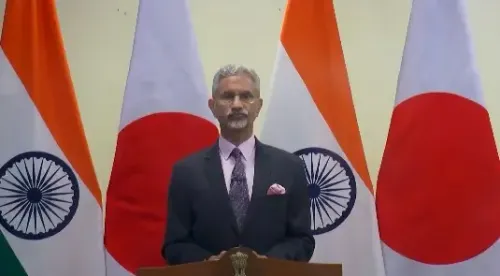
A bilateral forum that began as a quiet annual dialogue has, across nine editions, grown into one of the more consequential arenas shaping Asia's strategic order. Union External Affairs Minister Dr. S. Jaishankar delivered a video message on Wednesday, November 18, 2026, for the 9th India-Japan Indo-Pacific Forum being held in New Delhi — reinforcing the two nations' shared commitment to a free, open, and inclusive Indo-Pacific.
Nine editions, one sustained strategic logic
The India-Japan Indo-Pacific Forum is not a one-off event — it is part of a carefully constructed architecture of bilateral engagement that India and Japan have built over two decades. The two countries have held annual summit-level meetings since 2006, steadily deepening what is now described as a 'Special Strategic and Global Partnership.' The forum series sits within that larger framework, bringing together diplomatic officials and policy experts to work through the practical dimensions of Indo-Pacific cooperation.
Reaching a 9th edition signals institutional maturity. Forums that endure tend to outlast the headlines that first launched them — and this one has.
What the India-Japan Indo-Pacific axis actually covers
The agenda of sustained India-Japan cooperation spans three broad pillars: maritime security, connectivity, and supply-chain resilience. Both nations share a strategic interest in keeping regional sea lanes open and ensuring that the rules-based international order holds — particularly in an era when those assumptions are under pressure across the Indo-Pacific.
The forum complements other minilateral mechanisms, including the Quad — the grouping of India, Japan, Australia, and the United States — which has itself elevated Indo-Pacific coordination to a central feature of regional diplomacy. India and Japan, as two of the Quad's four members, use bilateral platforms like this forum to coordinate positions and deepen understanding ahead of larger groupings.
Jaishankar's role in shaping the India-Japan relationship
Dr. Jaishankar brings unusual depth to this bilateral. Before serving as Union Minister of External Affairs from 2019, he served as India's Foreign Secretary and as Ambassador to the United States, China, and Singapore — giving him a practitioner's understanding of the Indo-Pacific's layered power dynamics that few diplomats can match. His video address to the forum carries institutional weight precisely because of that biography.
The choice to address the forum by video — rather than in person — does not diminish the signal; it amplifies the regularity and routine of the engagement. This is a relationship that does not need ceremony to function.
What follows the 9th forum
The immediate watch-point is any joint statement or outcome document the forum produces, which typically feeds into the agenda of the next India-Japan Annual Summit and Quad Foreign Ministers' Meeting. Both forums and summits serve as calibration moments — places where the two sides assess where they agree, where they need to push harder, and what the region's evolving strategic landscape demands of them next.
Nine editions in, the India-Japan Indo-Pacific Forum is no longer a conversation about whether the two countries share a vision. It is a working session on what, precisely, to build together — and how fast.
Point of View
Even by video, keeps the minister's fingerprints on a relationship he has helped architect across both his diplomatic and political careers. The forum's longevity also reflects a broader Indian foreign policy logic: building durable, institutionalised bilateral tracks that persist regardless of shifts in domestic politics on either side. As Quad dynamics and broader Indo-Pacific competition intensify, the India-Japan bilateral channel becomes more — not less — important as a space for quiet coordination.
NationPress
18 Nov 2026
Frequently Asked Questions
What is the India-Japan Indo-Pacific Forum?
The India-Japan Indo-Pacific Forum is a recurring bilateral dialogue platform focused on cooperation across the Indo-Pacific, covering areas such as maritime security, connectivity, and supply-chain resilience. Its 9th edition was held in New Delhi in November 2026.
Why did Jaishankar address the forum by video?
Dr. Jaishankar delivered a video message for the 9th edition, a format that reflects the regularity and institutional strength of the India-Japan engagement rather than any diminishment of its importance.
How long have India and Japan held strategic forums?
India and Japan have conducted annual summit-level meetings since 2006 , and the Indo-Pacific Forum series is part of that broader architecture of sustained bilateral engagement.
Is the India-Japan Indo-Pacific Forum related to the Quad?
Yes, in the sense that both India and Japan are Quad members. The bilateral forum complements the Quad by giving the two countries a dedicated space to coordinate on Indo-Pacific issues before larger minilateral meetings.
What comes after the 9th India-Japan Indo-Pacific Forum?
Observers will watch for any joint statement or outcome document from the 9th forum, which typically informs the agenda of the next India-Japan Annual Summit and Quad Foreign Ministers' Meeting .