Iran halts 3 oil tankers in Hormuz as US strikes enter 12th night
Synopsis
Iran's IRGC has stopped three oil tankers in the Strait of Hormuz — one reportedly exploding and catching fire — as US strikes enter a 12th straight night. With Trump threatening to destroy Iranian infrastructure for every attack on shipping, and Tehran's foreign minister vowing an 'eye for an eye' response, the world's most critical oil chokepoint is now a live battlefield.
Key Takeaways
Iran's IRGC intercepted three oil tankers in the Strait of Hormuz on 23 July ; one caught fire after an explosion.
US forces launched strikes on Iran for the 12th consecutive night , hitting targets near Ahvaz , Ramshir , Andimeshk , and a power station near Bushehr .
Two people were reportedly killed in Shalamcheh near the Iraqi border.
President Trump threatened to destroy 'one bridge or power plant' for every Iranian attack on shipping in the strait.
Iranian Foreign Minister Araghchi vowed an 'eye for an eye' response to any aggression against Iranian infrastructure.
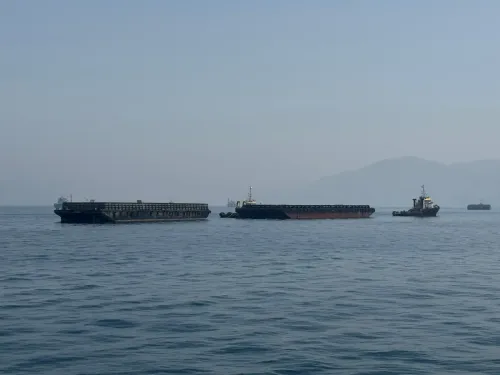
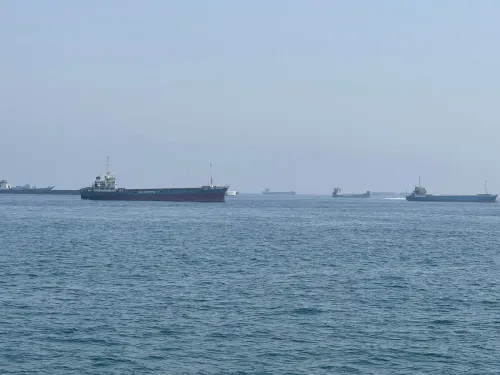
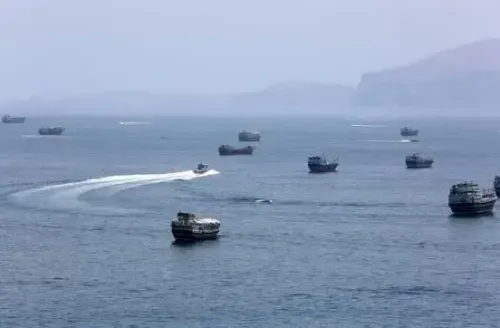
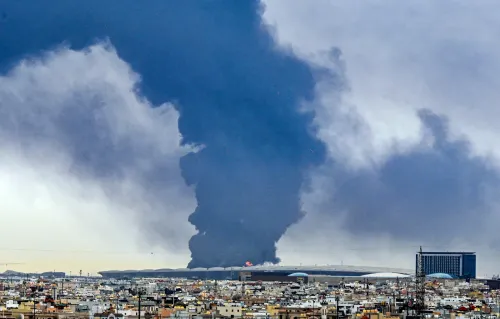
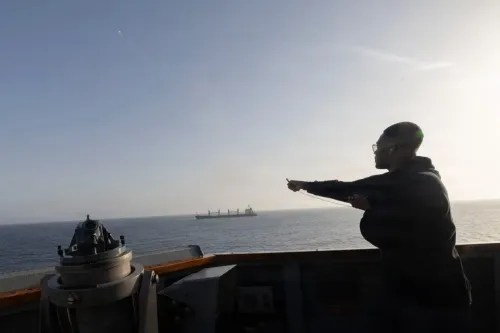
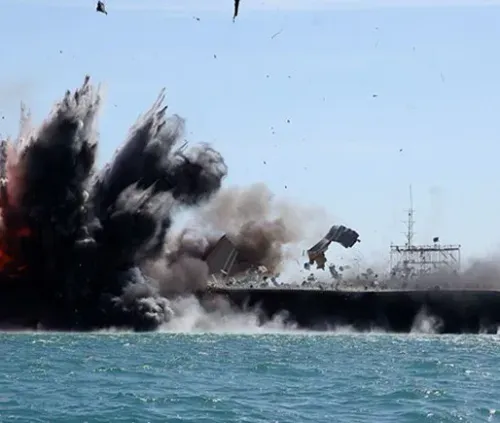
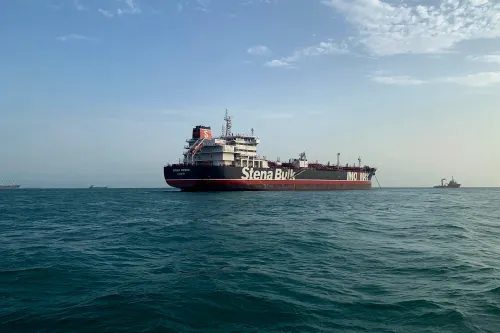
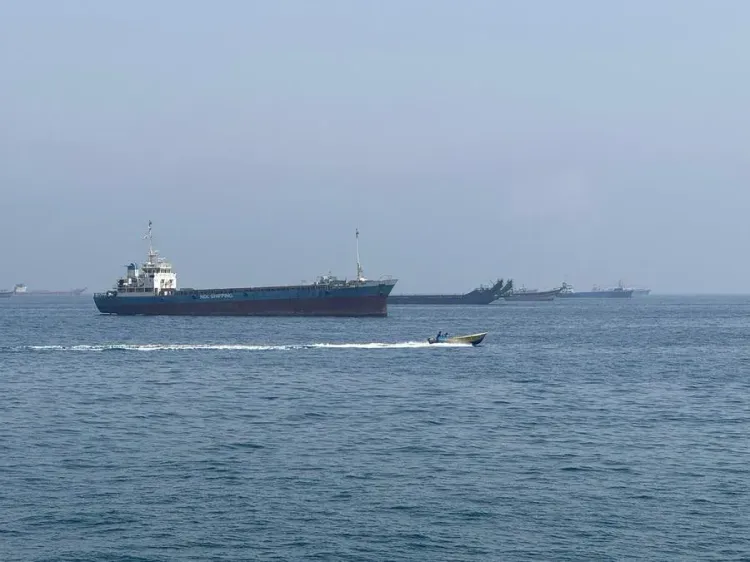
Iran's Islamic Revolutionary Guard Corps (IRGC) announced on Thursday, 23 July that it had intercepted three oil tankers attempting to transit the Strait of Hormuz, with one vessel catching fire after an explosion — the most direct escalation yet in the deepening maritime standoff between Tehran and Washington.
What the IRGC Said
In a statement carried by Iranian state media, the IRGC said the tankers were 'provoked and tempted by the child-killing American army' and were attempting to use a 'mine-laid route south of the Strait of Hormuz.' According to the statement, after one tanker 'exploded and caught fire, the other two quickly turned around and turned back.' The IRGC further warned that any vessel 'deceived' by the United States and attempting passage without Iran's consent 'will suffer the same fate.'
US Strikes Hit Western and Southern Iran
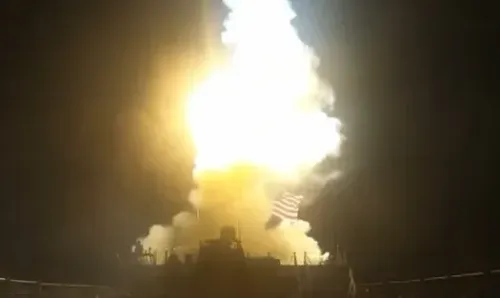
The tanker incident followed US military strikes on Wednesday — the 12th consecutive night of American operations against Iranian targets. According to Iranian state media, US missiles struck locations near the cities of Ahvaz, Ramshir, and Andimeshk in western Iran, as well as a power station near the Bushehr nuclear power plant in southern Iran. Two people were reportedly killed in the town of Shalamcheh on the Iraqi border.
The US Central Command stated that the strikes were aimed at further degrading 'Iran's ability to threaten civilian mariners and commercial vessels transiting regional waters,' as both sides intensify their contest for control of the strategically critical strait.
Trump's Warning and Tehran's Response
US President Donald Trump issued a stark warning earlier on Wednesday, threatening to 'bomb and destroy one bridge or power plant' each time Iran fires on a ship in the strait. In a post on Truth Social, Trump wrote: 'From this point forward, any time the Islamic Republic of Iran shoots at a ship in the Strait of Hormuz, whether it be by Missile, Rocket, Drone, or any other device or weapon, the United States will bomb and destroy One bridge or power plant, including those located next to, or in, the Capital City of Tehran.'
Iranian Foreign Minister Seyed Abbas Araghchi responded the same day in a post on X, declaring that Iran would adopt an 'eye for an eye' defence doctrine. 'Any aggression against Iran, including our infrastructure, will compel a powerful and decisive response,' Araghchi wrote.
Why the Strait of Hormuz Matters
The Strait of Hormuz is the world's single most critical oil chokepoint, through which roughly 20% of global petroleum supplies transit daily. Any sustained disruption to shipping in the strait risks triggering immediate spikes in global crude prices and supply-chain shocks across Asia, Europe, and beyond. This is the first confirmed tanker interception with a reported explosion since the current round of US strikes began, marking a significant escalation in the physical risk to commercial shipping.
What Comes Next
With 12 consecutive nights of US strikes and Iran now physically stopping and reportedly destroying vessels, the confrontation has moved beyond rhetoric. Shipping insurers and oil markets are likely to reprice risk sharply. The international community, including major crude importers such as India and China, faces mounting pressure to respond diplomatically as the corridor that feeds their energy needs comes under direct threat.
Point of View
Not merely a tactical act — Tehran is demonstrating it can impose real costs on commercial shipping even as US strikes continue. The symmetry is deliberate: Trump threatens infrastructure, Araghchi echoes 'eye for an eye', and the IRGC acts within hours. What mainstream coverage underplays is the exposure of major Asian importers, particularly India and China, who are silent stakeholders in this standoff. Every night of US strikes and every intercepted tanker is also an energy-security event for New Delhi and Beijing — and their silence is itself a geopolitical choice that will not hold indefinitely.
NationPress
21 Oct 2026
Frequently Asked Questions
What happened to the oil tankers in the Strait of Hormuz on 23 July?
Iran's IRGC stopped three oil tankers attempting to pass through the Strait of Hormuz on 23 July, with one vessel catching fire after an explosion. The other two reportedly turned back. The IRGC warned that any ship attempting passage without Iran's consent would face the same outcome.
How many nights have US strikes on Iran continued?
US forces launched strikes against Iranian targets for the 12th consecutive night on Wednesday. Targets reportedly included sites near Ahvaz, Ramshir, and Andimeshk in western Iran, and a power station near the Bushehr nuclear power plant in the south.
What did President Trump threaten regarding the Strait of Hormuz?
President Trump warned on Wednesday that the US would 'bomb and destroy one bridge or power plant' — including infrastructure in or near Tehran — each time Iran attacks a ship in the Strait of Hormuz, whether by missile, rocket, drone, or any other weapon.
How did Iran respond to the US strikes?
Iranian Foreign Minister Seyed Abbas Araghchi declared on X that Iran would adopt an 'eye for an eye' defence doctrine, stating that any aggression against Iran's infrastructure 'will compel a powerful and decisive response.' The IRGC's tanker interception followed within hours.
Why is the Strait of Hormuz strategically important?
The Strait of Hormuz is the world's most critical oil chokepoint, through which approximately 20% of global petroleum supplies pass daily. Any sustained disruption to shipping there risks immediate spikes in global crude prices and energy-supply shocks for major importers across Asia and Europe.