US launches third round of strikes on Iran over Strait of Hormuz attack
Synopsis
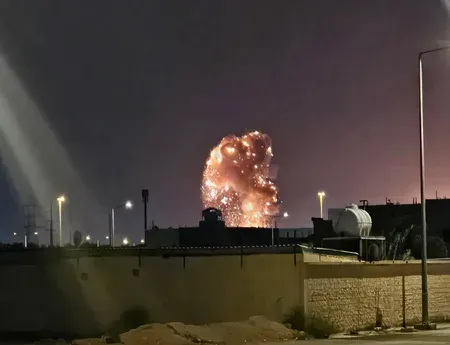
For the third time in a single week, the US military has struck Iran — this time after the IRGC attacked a Cyprus-flagged container ship in the Strait of Hormuz, leaving one crew member missing and the vessel crippled by fire. The strikes, ordered by President Trump, signal that Washington is prepared to sustain a punishing military tempo against Tehran over commercial shipping attacks.
Key Takeaways
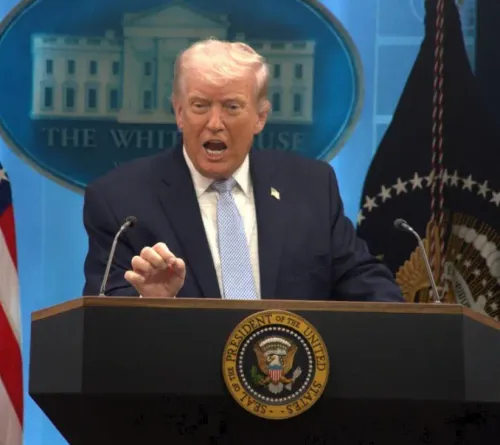
The US launched a third round of strikes against Iran on 12 July , ordered by President Donald Trump .
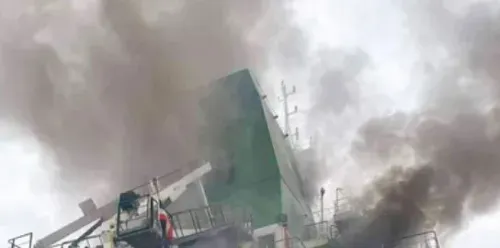
The trigger was an IRGC attack on the M/V GFS Galaxy , a Cyprus-flagged container ship in the Strait of Hormuz .
The vessel was left stranded due to an onboard fire and significant engine room damage .
One civilian crew member remains missing; nationality not disclosed.
CENTCOM cited Iran's failure to comply with a Memorandum of Understanding on commercial shipping attacks as justification.
Strike locations, targets, and weapons used were not immediately disclosed by the US military.
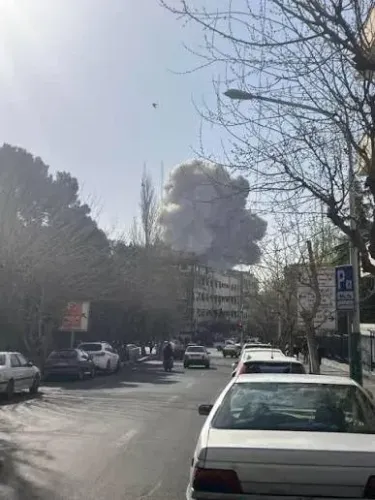
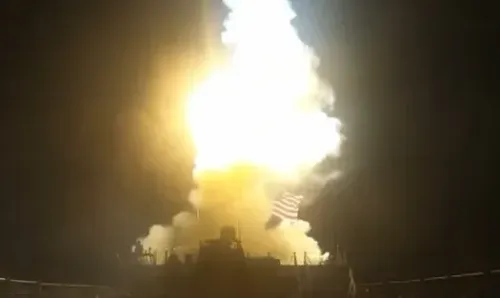
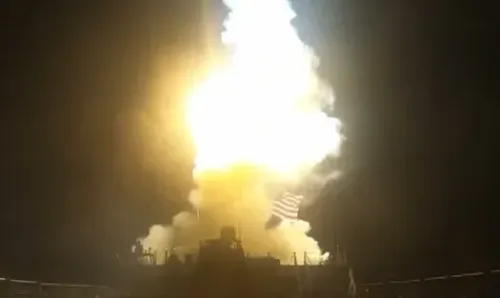
The United States launched a third round of military strikes against Iran on 12 July after forces of the Islamic Revolutionary Guard Corps (IRGC) attacked the M/V GFS Galaxy, a Cyprus-flagged commercial container ship transiting the Strait of Hormuz. US Central Command (CENTCOM) confirmed the operation began at 7:15 p.m. Eastern Time (4:45 am IST Sunday), ordered by President Donald Trump in his capacity as commander in chief.
The Triggering Incident
The IRGC attack on the M/V GFS Galaxy left the vessel stranded in the strategic waterway, with an onboard fire causing significant engine room damage that rendered the ship unable to continue its voyage. One civilian crew member remains missing following the assault; the nationality of the missing crew member was not disclosed by CENTCOM.
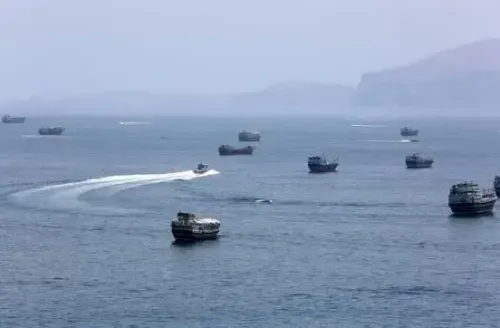
The Strait of Hormuz, through which roughly 20% of global oil trade passes, has been a flashpoint for repeated confrontations between Iran and Western naval forces in recent years. This latest incident marks a sharp escalation in what has become a pattern of IRGC targeting of commercial shipping in the waterway.
What CENTCOM Said
In an official statement, CENTCOM said its forces were acting to degrade Iran's capacity to threaten civilian sailors and commercial vessels. 'Iran was provided yet another opportunity to demonstrate adherence to the Memorandum of Understanding after being held accountable for earlier attacks on commercial vessels but has again failed,' the command stated.
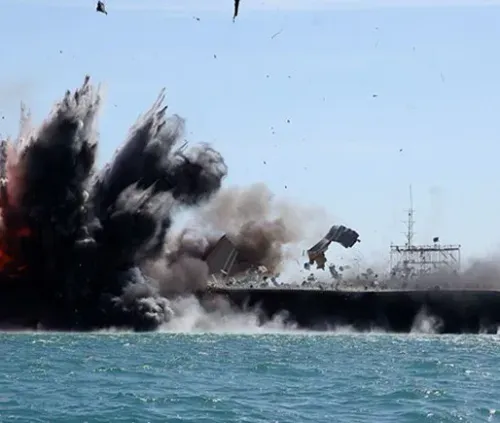
CENTCOM added: 'In response, the United States is imposing a heavy cost by continuing to degrade Iran's ability to attack civilian mariners and commercial ships freely transiting the strait.' The command did not immediately identify the specific locations struck, the targets hit, or the weapons systems deployed in the operation.
The Memorandum of Understanding
The US military linked the fresh strikes to what it described as Iran's failure to comply with a Memorandum of Understanding — an arrangement under which Tehran had reportedly committed to restraining attacks on commercial shipping. According to CENTCOM, Iran had already been held accountable for earlier attacks on vessels and given additional opportunities to demonstrate compliance before this third round of strikes was ordered.
The existence of such a memorandum suggests back-channel diplomatic engagement between Washington and Tehran even as military operations continue — a contradiction that raises questions about the framework's enforceability and Tehran's willingness to honour its terms.
Broader Context and What Comes Next
This is the third round of US strikes against Iran within a single week, representing an unprecedented tempo of direct US military action against Iranian targets in recent memory. The escalation comes amid already-heightened tensions in the Middle East, with regional shipping routes under sustained pressure.
Analysts will be watching whether Iran retaliates further, whether the Memorandum of Understanding is formally abandoned, and how global oil markets respond to the intensifying conflict around one of the world's most critical maritime chokepoints. The fate of the missing crew member and the stranded M/V GFS Galaxy also remain unresolved.
Point of View
With no visible off-ramp. The Strait of Hormuz is not a peripheral theatre; a sustained military exchange there carries direct consequences for global energy supply chains, including India's oil import lifeline. What mainstream coverage underplays is the compounding risk — each strike cycle raises the threshold for what Iran must do to 'respond credibly,' making de-escalation geometrically harder with every sortie.
NationPress
10 Oct 2026
Frequently Asked Questions
Why did the US launch strikes on Iran on 12 July?
The US launched its third round of strikes against Iran on 12 July after the Islamic Revolutionary Guard Corps attacked the M/V GFS Galaxy, a Cyprus-flagged container ship transiting the Strait of Hormuz. CENTCOM also cited Iran's repeated failure to comply with a Memorandum of Understanding on halting attacks on commercial vessels.
What happened to the M/V GFS Galaxy?
The M/V GFS Galaxy, a Cyprus-flagged commercial container ship, was attacked by IRGC forces in the Strait of Hormuz. The vessel was left unable to continue its voyage due to an onboard fire and significant engine room damage, and one civilian crew member remains missing.
What is the Memorandum of Understanding mentioned by CENTCOM?
CENTCOM referenced a Memorandum of Understanding under which Iran had reportedly agreed to restrain attacks on commercial shipping in the Strait of Hormuz. According to the US military, Iran was given multiple opportunities to demonstrate compliance but failed to do so, prompting the latest strikes.
How many rounds of strikes has the US conducted against Iran this week?
As of 12 July, the US has conducted three rounds of strikes against Iran within a single week. Each round has been linked to Iranian attacks on commercial vessels transiting the Strait of Hormuz.
What did the US military say about the targets of the strikes?
CENTCOM did not immediately disclose the specific locations struck, the targets hit, or the weapons systems used in the third round of strikes. It stated the operation was aimed at degrading Iran's ability to attack civilian mariners and commercial ships in the Strait of Hormuz.