What Is US CENTCOM's Warning to Iran's Guards About Sea Escalation?
Synopsis
In a recent statement, US Central Command has urged Iran’s Islamic Revolutionary Guard Corps to avoid escalating tensions at sea during their upcoming naval drills. As President Trump announces a larger US naval presence, the situation raises concerns about regional stability.
Key Takeaways
CENTCOM has urged Iran's IRGC to avoid escalating tensions during naval exercises.
The Strait of Hormuz is crucial for global maritime trade.
President Trump has increased US naval presence in response to rising tensions.
Safety protocols are essential to prevent collisions and conflicts.
US-Iran relations remain complex and fraught with challenges.
Washington, Jan 31 (NationPress) US Central Command has called on Iran's Islamic Revolutionary Guard Corps to refrain from actions that could escalate tensions at sea. This plea follows Tehran’s announcement of a two-day live-fire maritime drill set to commence on Sunday in the Strait of Hormuz.
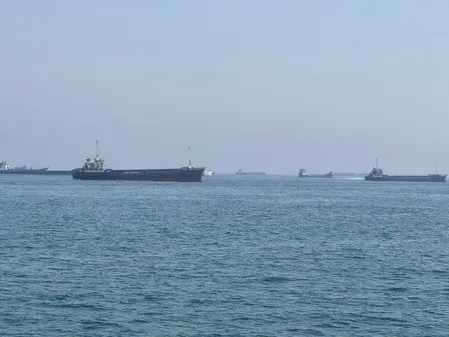
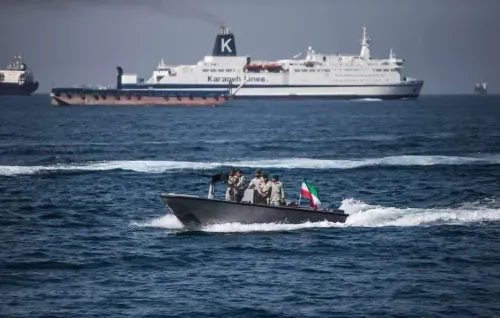
In their statement, CENTCOM emphasized that the Strait of Hormuz serves as an international maritime corridor and a vital trade route, with approximately 100 merchant ships traversing this narrow waterway daily. They urged the IRGC to conduct the naval exercise in a manner that is “safe, professional, and minimizes risks to navigation freedoms.”
CENTCOM warned that any reckless or unprofessional actions near US military forces, regional allies, or commercial vessels could heighten the chances of collisions, escalations, and instability. They expressed zero tolerance for provocations such as high-speed boat maneuvers on collision paths with US naval vessels, low-altitude or armed flyovers of US assets with ambiguous intentions, or targeting weapons at US forces.
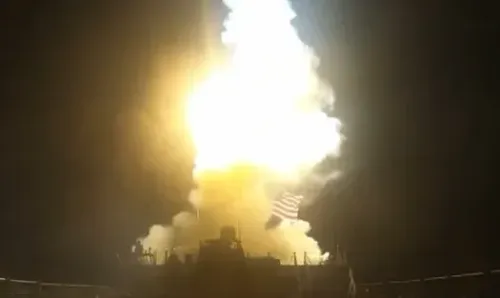
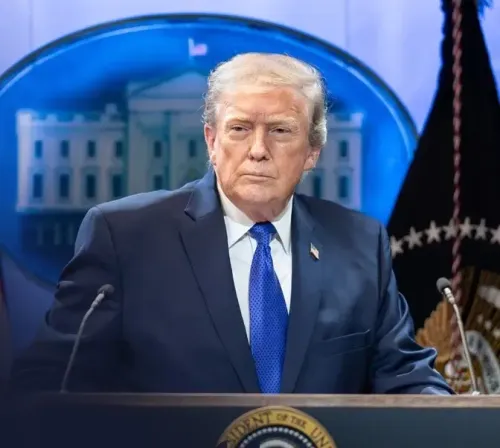
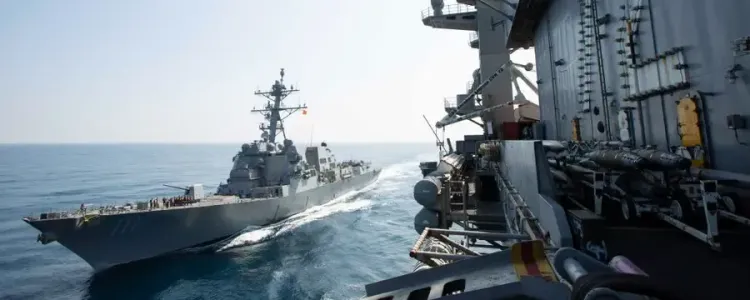
This warning coincided with President Donald Trump's announcement regarding the deployment of an increased naval presence near Iran, indicating Washington's hope for a diplomatic resolution while being prepared for potential conflict should negotiations fail.
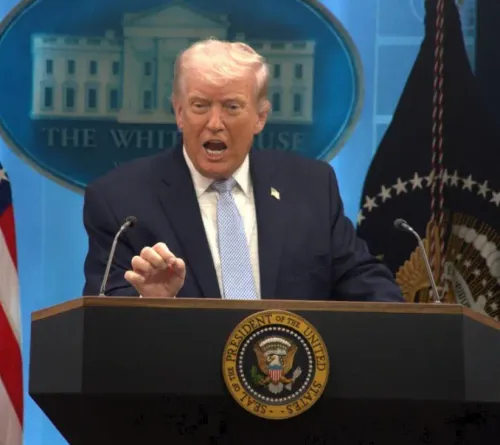
Trump stated that the naval force being sent would surpass the US naval presence off the coast of Venezuela, referring to it as a “large armada” aimed at exerting pressure while diplomatic talks are ongoing.
“We’re now dispatching a greater number of ships to Iran, indeed,” Trump remarked. “Hopefully, we can strike a deal.”
When questioned about whether Iran has been given a deadline, Trump refrained from providing specifics, stating, “Only they know for sure.” He confirmed having direct communications with Iran, adding, “Yes, I have.”
Trump reiterated the US preference for a negotiated resolution but did not rule out the potential for escalation, saying, “If we do make a deal, that’s good. If we don’t, we’ll see what unfolds.”
CENTCOM reaffirmed its commitment to ensuring the safety of US personnel, ships, and aircraft operating in the Middle East, asserting that US forces will maintain high standards of professionalism and compliance with international norms.
The relationship between the US and Iran has been fraught with tension for years, particularly concerning sanctions, regional security, and maritime activities in the Gulf, with naval deployments often serving as indicators during heightened tensions.
Point of View
It is essential to monitor the evolving dynamics between the US and Iran. The recent call from CENTCOM reflects ongoing concerns regarding maritime security and the potential for conflict escalation. The situation demands careful observation, as diplomatic efforts continue amid military posturing.
NationPress
1 Oct 2026
Frequently Asked Questions
What prompted CENTCOM's warning to Iran?
CENTCOM's warning came in response to Iran's planned live-fire naval exercise in the Strait of Hormuz, which escalates concerns over maritime safety.
What is the significance of the Strait of Hormuz?
The Strait of Hormuz is a vital international shipping route through which about 100 merchant vessels pass daily, making it crucial for global trade.
What actions does CENTCOM consider unsafe?
CENTCOM deems high-speed boat maneuvers on collision courses with US vessels and low-altitude flyovers of US assets as unsafe and provocative.
How has President Trump responded to the situation?
President Trump has announced an increase in US naval forces near Iran, emphasizing the need for pressure while pursuing diplomatic solutions.
What are the implications of US-Iran relations?
The strained relations between the US and Iran, primarily over sanctions and security issues, could lead to increased tensions and potential military confrontations.