US Implements Maritime Blockade on Iranian Shipping Amid Failed Negotiations
Synopsis
The United States is set to enforce a maritime blockade on Iranian ports, escalating tensions after negotiations over Iran's nuclear program failed. The blockade targets all maritime traffic while US naval forces prepare for potential confrontations.
Key Takeaways
US maritime blockade begins on April 13.
Targets all shipping to and from Iranian ports.
Heightened tensions following stalled nuclear negotiations.
Iran claims the blockade disrupts near-final negotiations.
US naval forces are actively preparing for potential confrontations.
Washington, April 13 (NationPress) The United States is set to implement a comprehensive maritime blockade on vessels moving to and from Iranian ports starting April 13, significantly heightening tensions after failed negotiations between Washington and Tehran, particularly regarding Iran's nuclear program.
This announcement by the US Central Command (CENTCOM) follows a directive from the president and aims to restrict "all maritime traffic entering and exiting Iranian ports," which includes routes through the Arabian Gulf and Gulf of Oman.
According to CENTCOM, "The blockade will be enforced equitably against ships from all nations," and US forces will not obstruct vessels passing through the Strait of Hormuz to and from non-Iranian ports. The blockade is scheduled to commence at 7:30 PM IST on Monday, as per CENTCOM's statement.
Commercial mariners are urged to keep an eye on official navigation alerts and maintain communication with US naval forces while operating in the vicinity.
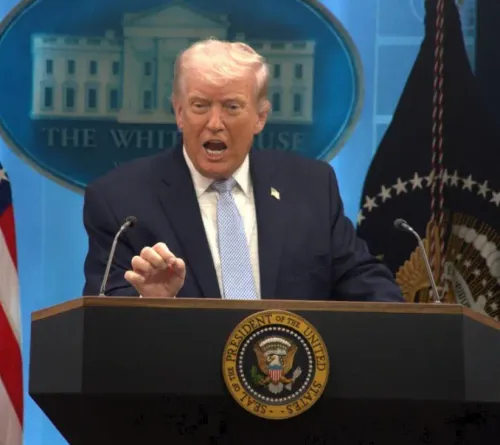
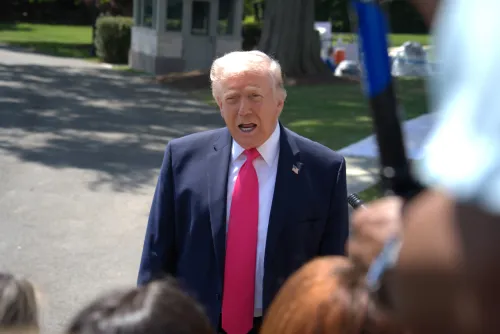
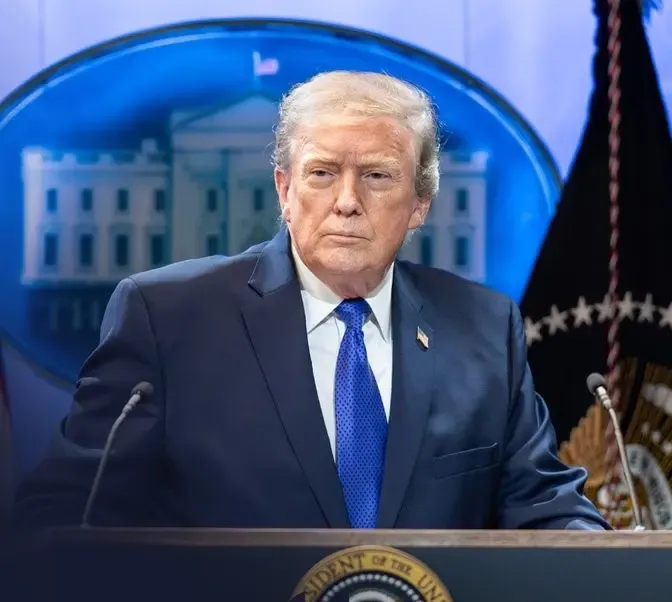
This announcement followed US President Donald Trump's comments that discussions with Iran had stalled over its nuclear aspirations despite progress in other areas.
“Most issues were agreed upon, but the pivotal matter, the NUCLEAR aspect, was not,” Trump stated, revealing that the US Navy would initiate "the process of BLOCKADING any and all ships attempting to enter or exit" the Strait of Hormuz.
He accused Iran of "WORLD EXTORTION" by threatening to deploy naval mines in the strait, a crucial global energy passage. "No one paying an illegal toll will have safe passage on the high seas," he declared, adding that US forces would also "begin dismantling the mines laid by the Iranians in the Straits."
Iran responded firmly, claiming the blockade disrupted nearly finalized negotiations.
Iranian Foreign Minister Seyed Abbas Araghchi mentioned that Tehran had engaged in “good faith to end war” and was “merely inches away” from an agreement before facing “maximalism, shifting goalposts, and blockade.”
“Good will leads to good will. Enmity leads to enmity,” he asserted.
Experts following the conflict note that the core of the dispute revolves around Iran's utilization of uncertainty regarding naval mines in the Strait of Hormuz to exert pressure on global shipping. The Institute for the Study of War observed that Iran had declared a “hazardous area” covering vital shipping lanes, compelling vessels to enter Iranian territorial waters where they were subjected to “protection fees.”
“This protection scheme is illegal under maritime law,” they stated, emphasizing that no nation bordering a strait can restrict passage or impose fees under international conventions.
The threat of mines—reportedly fewer than a dozen—has raised oil prices and shipping insurance premiums, even without direct attacks, analysts noted.
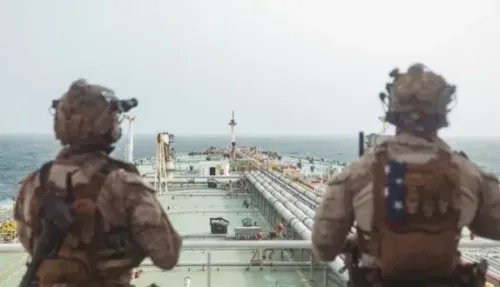
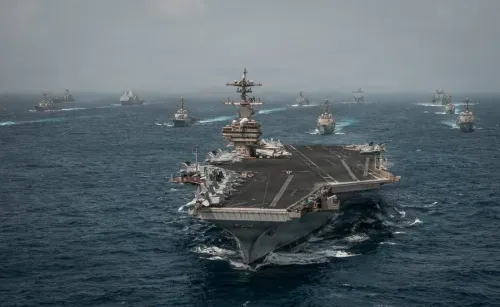
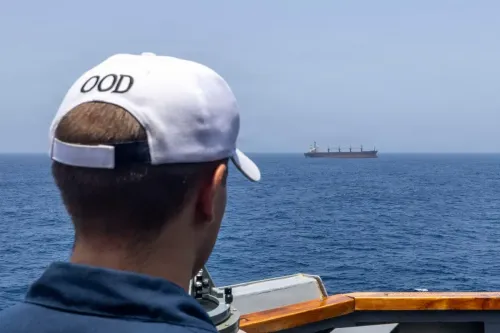
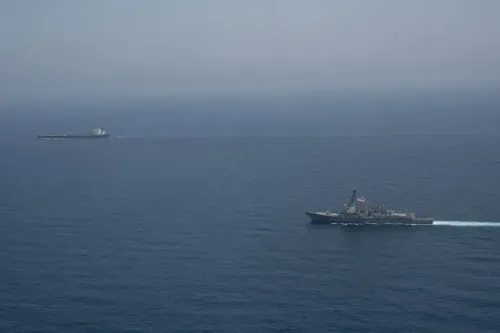
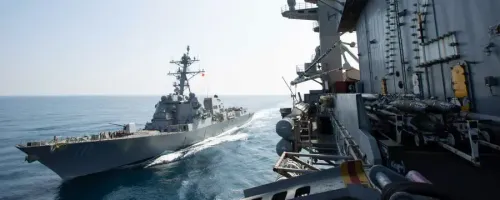
US naval forces are already taking steps to counter this strategy. Destroyers, including the USS Frank E. Peterson and USS Michael Murphy, have navigated the strait to guarantee safe passage and initiate mine-clearing operations. CENTCOM commander Admiral Brad Cooper indicated that safe routes would be communicated to civilian shipping “as soon as possible.”
Point of View
This move by the US reflects a strategic response to perceived threats from Iran while underscoring the complexities of international relations and the delicate balance of power in the region.
NationPress
7 Oct 2026
Frequently Asked Questions
What is the reason behind the US maritime blockade?
The US maritime blockade is a response to failed negotiations with Iran regarding its nuclear program and aims to restrict all maritime traffic to and from Iranian ports.
When will the blockade take effect?
The blockade will begin on April 13, at 7:30 PM IST.
How will the blockade affect global shipping?
The blockade could significantly disrupt global shipping routes, especially in the crucial Strait of Hormuz, potentially leading to increased shipping insurance costs and oil prices.
What has Iran's response been to the blockade?
Iran has condemned the blockade, claiming it undermines negotiations that were close to reaching an agreement and accusing the US of escalating tensions.
What actions are US naval forces taking in response?
US naval forces, including destroyers, are conducting operations to ensure safe passage in the Strait of Hormuz and initiating mine-clearing efforts.