Anurag Thakur moved by Hindu chants at Indonesian temple
Synopsis
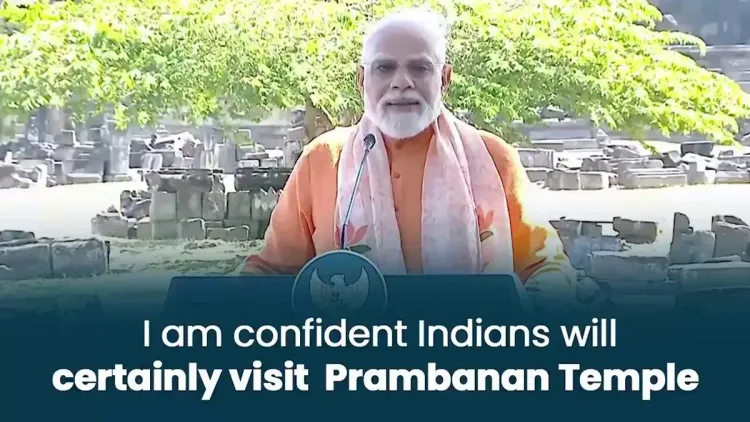
BJP MP Anurag Thakur visited a sacred Hindu temple in Indonesia on 8 July 2026 and was moved to witness Mahamrityunjaya chants and Om Namah Shivaya recitations, highlighting the living civilisational link between India and Indonesia.
Key Takeaways
Anurag Thakur , BJP Lok Sabha MP from Hamirpur, Himachal Pradesh , visited a sacred Hindu temple in Indonesia on 8 July 2026 .
He witnessed devotees chanting the Mahamrityunjaya mantra and reciting Om Namah Shivaya at the temple.
Thakur described the experience as 'touching the heart,' sharing a video of the temple atmosphere on X.
Indonesia's Bali island is home to a living tradition of Balinese Hinduism rooted in ancient Indian maritime and cultural contact.
India's Act East Policy (upgraded 2014 ) prioritises cultural and people-to-people links with ASEAN nations including Indonesia.
The visit reflects India's broader soft-power diplomacy framing bilateral ties within a shared civilisational narrative.
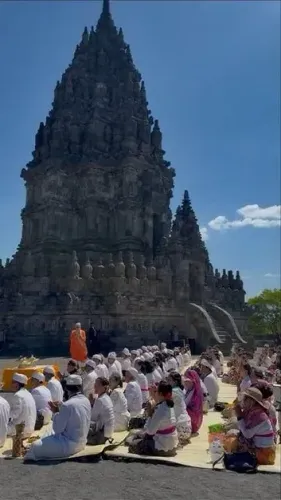
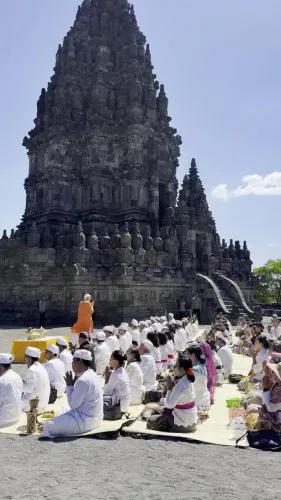
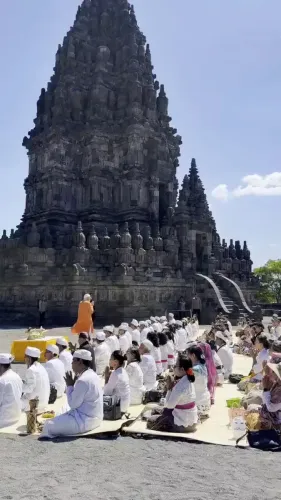
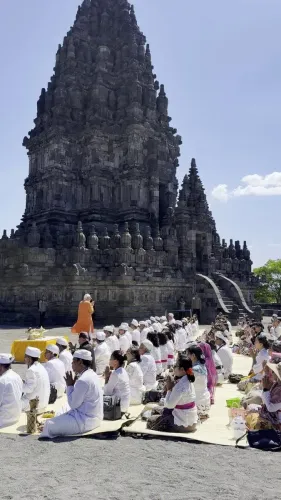
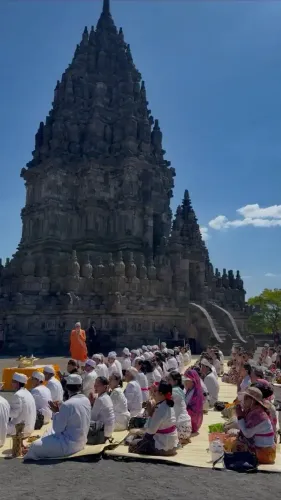
BJP MP Anurag Thakur shared a deeply personal account on Wednesday, 8 July 2026, describing his visit to a sacred Hindu temple in Indonesia, where he witnessed the chanting of the Mahamrityunjaya mantra and the recitation of Om Namah Shivaya by devotees — a moment he said 'touched the heart.'
In his post, the Hamirpur MP wrote that hearing Mahamrityunjaya being chanted and every person uttering Om Namah Shivaya was, in his own words, 'something that touched the heart in itself' (hriday ko sparsh karne wala tha). He shared a video alongside the post, offering followers a glimpse of the temple atmosphere.
Context
Indonesia is home to one of the most living expressions of ancient Hindu-Buddhist culture outside the Indian subcontinent. The island of Bali, in particular, has preserved Shaivite practices, Sanskrit chants, and temple rituals that trace their lineage directly to early Indian maritime and trade contacts stretching back over a millennium.
Balinese Hinduism incorporates sacred mantras — including the Mahamrityunjaya mantra, a Rigvedic verse invoking Lord Shiva for liberation from mortality, and Om Namah Shivaya, one of the most widely recited Shaivite chants — as living elements of daily worship, not merely ceremonial relics.
Policy Backdrop
India's Act East Policy, significantly upgraded in 2014, places cultural and people-to-people connectivity at the centre of engagement with ASEAN nations, with Indonesia — the world's largest Muslim-majority nation yet home to a vibrant Hindu minority — occupying a prominent place in that framework.
Prime Minister Narendra Modi's 2018 visit to Indonesia explicitly underscored shared civilisational heritage and the ancient maritime cultural routes that connected the two civilisations. Indian leaders have since regularly invoked living Hindu practices in Indonesia as a testament to that deep historical diffusion.
Stakeholders and Impact
The post resonates with Hindu communities in Bali, the Indian diaspora in Southeast Asia, and cultural organisations that monitor India's soft-power outreach. For many Indians, witnessing Sanskrit chants performed with devotion thousands of kilometres from the subcontinent carries profound emotional and civilisational significance.
Such public expressions by sitting parliamentarians also serve a diplomatic function — reinforcing the narrative that India's engagement with Indonesia is rooted in shared heritage, not merely strategic or economic calculation. This framing has been a consistent thread in bilateral diplomacy across successive governments.
What's Next
Thakur's visit could foreshadow further cultural or parliamentary delegations to heritage sites in Bali and other parts of Indonesia. Observers will watch for any follow-up announcements on joint India-Indonesia heritage conservation initiatives, cultural exchange programmes, or inter-parliamentary engagements that build on the civilisational connect the MP has highlighted.
As India continues to project soft power through cultural diplomacy in ASEAN, moments like these — amplified through social media by prominent public figures — are likely to remain a deliberate and recurring feature of the bilateral relationship.
Point of View
Which has consistently elevated cultural and religious heritage links alongside economic and strategic interests in ASEAN outreach. The emotional register — 'touched the heart' — is deliberate, designed to resonate with a domestic audience that takes pride in the global reach of Hindu traditions. Whether or not a formal diplomatic outcome follows, the post itself functions as public diplomacy, keeping the India-Indonesia civilisational bond visible in popular discourse.
NationPress
8 Jul 2026
Frequently Asked Questions
Why did Anurag Thakur visit Indonesia?
The specific purpose of his trip has not been officially confirmed, but on 8 July 2026 he visited a sacred Hindu temple in Indonesia and shared his experience of witnessing Mahamrityunjaya chants and Om Namah Shivaya recitations.
Which temple did Anurag Thakur visit in Indonesia?
The exact temple has not been officially identified. Thakur described it as a 'sacred temple' in Indonesia where Hindu chants were being performed by devotees.
Is Hinduism practised in Indonesia?
Yes. Indonesia, particularly the island of Bali, has a living tradition of Balinese Hinduism that incorporates Sanskrit chants, Shaivite rituals, and temple worship rooted in ancient Indian cultural and maritime contact.
What is the Mahamrityunjaya mantra?
The Mahamrityunjaya mantra is an ancient Rigvedic chant dedicated to Lord Shiva, widely recited for protection, healing, and liberation from the cycle of mortality. It is one of the most revered mantras in Hindu tradition.
What is India's Act East Policy and how does it relate to Indonesia?
India's Act East Policy, significantly upgraded in 2014, prioritises cultural, economic, and strategic engagement with ASEAN nations. Indonesia is a key partner under this framework, with shared civilisational heritage — including living Hindu traditions in Bali — forming a central pillar of people-to-people diplomacy.