Anurag Thakur Seeks Blessings at Kangra's Sacred Temples
Synopsis
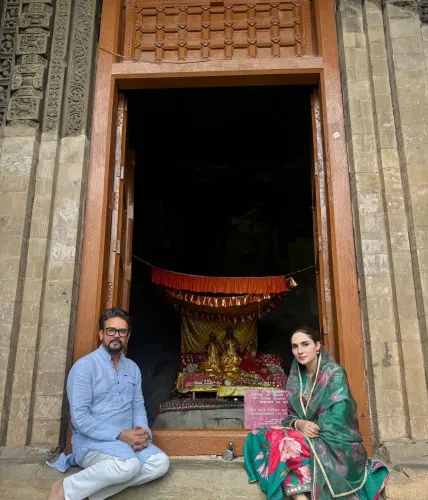
BJP MP Anurag Thakur visited the Bajreshwari Devi, Chamunda Devi, and Nandikeshwar temples in Kangra, Himachal Pradesh on June 14, 2026, invoking a Sanskrit shloka on Himachal's eternal heritage and praying for universal welfare.
Key Takeaways
BJP MP Anurag Thakur visited three temples in Kangra district, Himachal Pradesh on June 14, 2026 .
He offered prayers at Maa Bajreshwari Devi (Nagarkot), Maa Chamunda Devi , and Bhagwan Nandikeshwar .
Thakur shared a Sanskrit shloka affirming Himachal Pradesh's identity as Devbhoomi — the Land of the Gods.
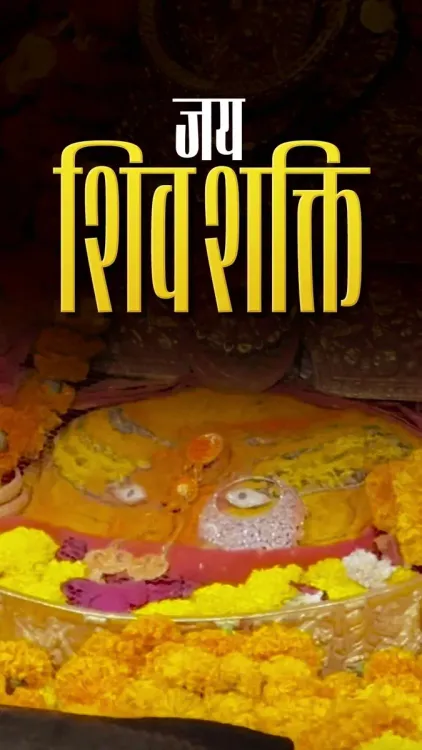
He invoked blessings of Lord Shiva and Maa Jagat Janani for universal welfare.
The Bajreshwari Devi Temple at Nagarkot is among the 51 Shakti Peethas, drawing lakhs of pilgrims annually.
The visit underscores BJP's consistent emphasis on Himachal's religious heritage and pilgrimage economy.
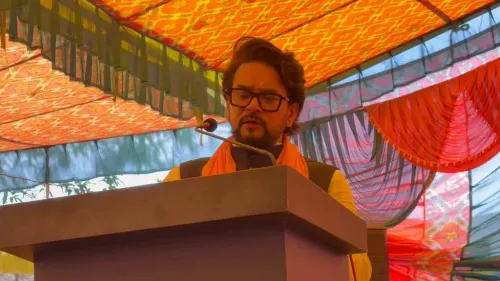
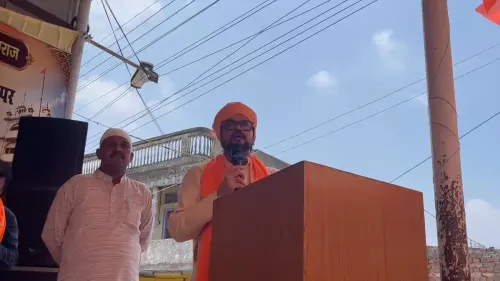
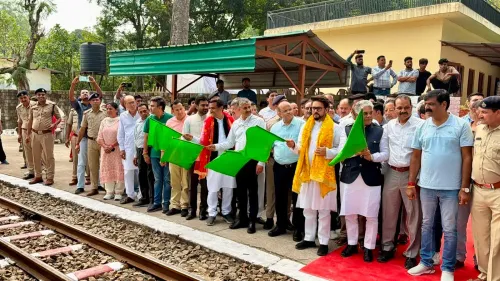
BJP MP Anurag Thakur visited the ancient temples of Kangra district in Himachal Pradesh on Sunday, June 14, 2026, offering prayers at three revered shrines and invoking Sanskrit verses to underline the state's identity as Devbhoomi (Land of the Gods).
Context
Thakur shared a Sanskrit shloka on X: 'यावद्गङ्गा च यमुना तावद्गङ्गा च नर्मदा। यावद् गिरिवरः शैलस्तावद् रमते हिमाचलः।।' — roughly translated as 'As long as the Ganga, Yamuna, and Narmada flow, and as long as the mountains stand, so shall Himachal endure.' The verse frames the visit as an affirmation of the state's eternal spiritual and geographical identity.
He then described seeking blessings at Maa Bajreshwari Devi of Nagarkot, Maa Chamunda Devi, and Bhagwan Nandikeshwar — all located in Kangra — praying for the welfare of all. He concluded with an invocation: 'May Lord Shiva and Maa Jagat Janani bless everyone.'
Policy Backdrop
Himachal Pradesh is widely referred to as Devbhoomi, a designation that reflects its dense concentration of ancient temples and pilgrimage circuits. Kangra district alone hosts several high-footfall shrines, including the Bajreshwari Devi Temple at Nagarkot — one of the 51 Shakti Peethas — and the Chamunda Devi Temple, both of which draw lakhs of devotees annually.
The state government and central bodies have periodically taken up infrastructure development around these temple corridors, linking pilgrimage promotion to the broader tourism economy of the hill state. BJP representatives from Himachal have consistently used such visits to highlight the cultural and religious heritage of the region.
Stakeholders and Impact
For Hindu devotees and pilgrims across the country, Kangra's temples hold deep religious significance, particularly the Bajreshwari Devi shrine which is tied to the Shakti Peetha tradition. Visibility given to these sites by sitting MPs can amplify awareness and footfall, with downstream effects on the local pilgrimage economy.
As a Lok Sabha MP from Hamirpur — a constituency neighbouring Kangra — Thakur's temple visits also carry constituency-level resonance, reinforcing his connect with the religious and cultural sentiments of voters in the Himalayan state.
What's Next
Observers will watch whether Thakur follows up the visit with legislative or administrative advocacy — such as statements during the monsoon session of Parliament — relating to temple infrastructure, heritage tourism, or pilgrimage development in Kangra and the wider Himachal belt. The state's pilgrimage economy and its integration into national tourism frameworks remain active policy conversations.
Point of View
Paired with a Sanskrit shloka, is a well-established mode of political-cultural communication for BJP MPs from Himachal Pradesh — blending personal devotion with public messaging around the state's Devbhoomi identity. As a former Union Minister now operating from the backbenches, such outreach keeps him visible within his home-state constituency and among the party's Hindu cultural voter base. The invocation of sacred rivers and mountains in the shloka also subtly frames Himachal as an inseparable part of India's civilisational geography. Whether this translates into concrete policy advocacy for Kangra's pilgrimage infrastructure during the parliamentary session ahead will be the real test of intent.
NationPress
13 Sept 2026
Frequently Asked Questions
Which temples did Anurag Thakur visit in Kangra?
Anurag Thakur visited Maa Bajreshwari Devi temple at Nagarkot, Maa Chamunda Devi temple, and Bhagwan Nandikeshwar temple, all located in Kangra district, Himachal Pradesh.
Where is the Bajreshwari Devi temple located?
The Bajreshwari Devi temple is located at Nagarkot in Kangra district, Himachal Pradesh. It is one of the 51 Shakti Peethas and a major pilgrimage destination in northern India.
What is the meaning of the Sanskrit shloka Anurag Thakur posted?
The shloka translates as: 'As long as the Ganga, Yamuna, and Narmada flow, and as long as the great mountain stands, so shall Himachal endure.' It celebrates the eternal nature of Himachal Pradesh's geography and heritage.
Why is Himachal Pradesh called Devbhoomi?
Himachal Pradesh is called Devbhoomi, meaning 'Land of the Gods,' because it is home to a large number of ancient temples, sacred rivers, and pilgrimage sites revered in Hindu tradition.
What is Anurag Thakur's constituency?
Anurag Thakur is the BJP Lok Sabha MP from Hamirpur constituency in Himachal Pradesh. He previously served as Union Minister of Information and Broadcasting and Youth Affairs and Sports.