US Blockade of Iran Ports: 37 Ships Redirected, Talks Canceled
Synopsis
The US military has redirected 37 ships under its active naval blockade of Iranian ports, intercepting the merchant vessel Sevan in the Arabian Sea. Trump canceled upcoming Islamabad talks with Iran, declaring he holds all the cards, as Iran's leadership publicly split between moderates and hardliners over the Strait of Hormuz status.
Key Takeaways
US Central Command confirmed on April 26, 2025 that the naval blockade of Iranian ports remains fully implemented under active US sanctions enforcement.
A total of 37 vessels have been redirected since the blockade began, with the merchant ship Sevan the latest intercepted in the Arabian Sea .
President Trump canceled the planned Islamabad talks with Iranian negotiators on April 26 , saying Iran must call if it wants to negotiate.
Iran's leadership is publicly divided: Foreign Minister Araghchi declared the Strait of Hormuz open on Friday, only for the hardline IRGC to contradict him on Saturday.
Trump extended the ceasefire indefinitely following failed talks but chose to maintain the naval blockade as economic and military leverage over Tehran.
The Strait of Hormuz handles roughly 20% of global oil trade , making the ongoing standoff a significant risk to international energy markets.
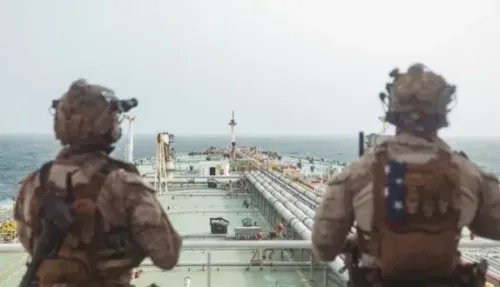
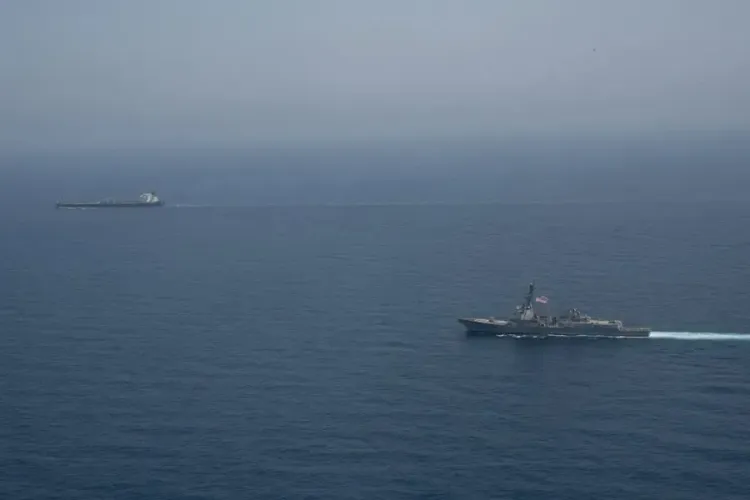
Washington, April 26 — The United States military is maintaining a tight naval blockade on Iranian ports, with US Central Command (CENTCOM) confirming on Saturday, April 26 that the operation remains fully implemented under active US sanctions enforcement. The blockade, which targets all ships entering or departing Iranian ports, has already redirected 37 vessels since its inception, signaling Washington's intent to apply maximum maritime pressure on Tehran.
Merchant Vessel Intercepted in Arabian Sea
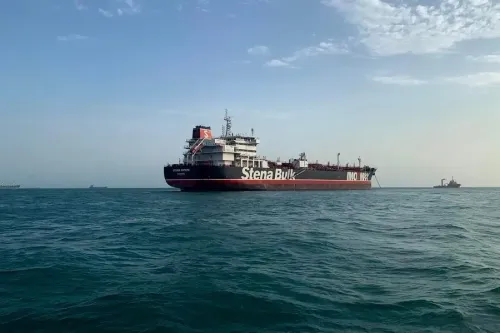
In its latest update posted on X (formerly Twitter), US Central Command confirmed that a merchant vessel named Sevan was intercepted in the Arabian Sea by US naval forces on Saturday. The vessel is currently complying with US military direction to turn back to Iran under escort, CENTCOM stated, underscoring the operational reach of the blockade.
The interception of the Sevan marks the latest in a series of enforced redirections that have disrupted commercial shipping lanes in one of the world's most strategically critical waterways. The Arabian Sea and the Strait of Hormuz together handle an estimated 20% of global oil trade, making any disruption here a matter of global economic concern.
How the Blockade Began: Trump's April 12 Announcement
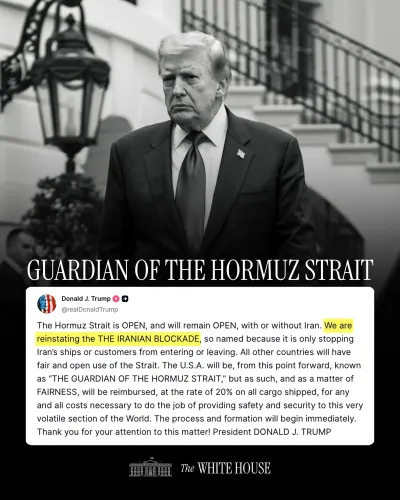
US President Donald Trump announced on April 12 that the US Navy would begin blocking all ships attempting to transit the Strait of Hormuz — a narrow chokepoint between Iran and Oman. The decision came in the immediate aftermath of the first round of US-Iran nuclear talks, held on April 11 and 12 in Islamabad, Pakistan, which failed to produce any substantive agreement.
The blockade represents one of the most aggressive unilateral maritime actions taken by the United States against Iran in decades, effectively treating Iranian ports as sanctioned zones and enforcing compliance through naval interceptions rather than diplomatic channels alone.
Iran's Response: Warnings and Internal Leadership Split
Iranian President Masoud Pezeshkian responded sharply to Trump's announcement, warning that any threat against the security of the Strait of Hormuz will have large-scale consequences for global trade. Iran's main military command, Khatam al-Anbiya Central Headquarters, reiterated on Saturday its pledge to retaliate if the US continues what it called blockade, banditry and piracy in the West Asia region, according to Xinhua news agency.
Crucially, a significant internal divide within Iran's leadership has surfaced. Iranian Foreign Minister Ali Araghchi, regarded as a moderate voice, declared on Friday that the Strait of Hormuz was open — only for the hardline Islamic Revolutionary Guard Corps (IRGC) to contradict that statement on Saturday, reinstating its closure position. This public contradiction between moderates and hardliners exposes the fractures within Tehran's power structure at a critical diplomatic juncture.
Trump Cancels Islamabad Talks, Sends Stern Message
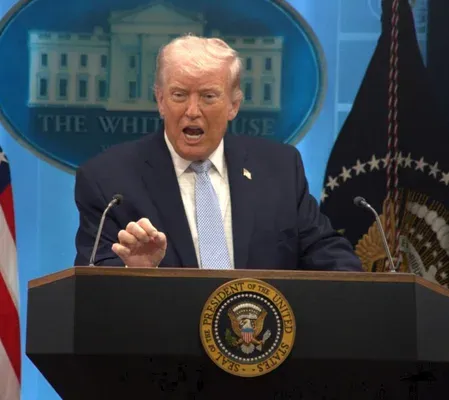
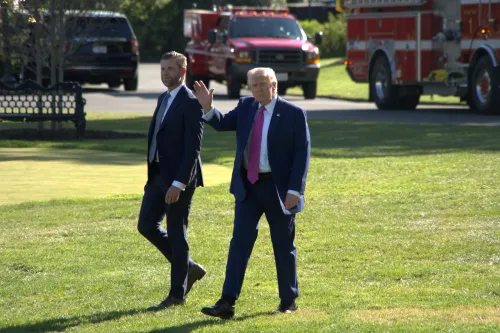
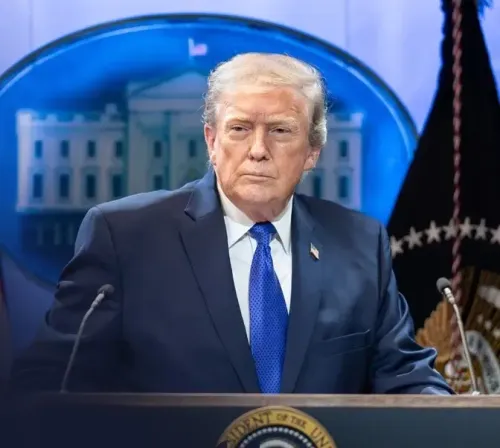
In a significant escalation of diplomatic pressure, President Trump announced on Saturday that he has canceled the planned trip of US representatives to Islamabad for the next round of talks with Iranian negotiators. Writing on his Truth Social platform, Trump did not issue fresh military threats but made his position unmistakably clear, stating that the US holds all the cards and Iran simply needs to call if it wants to talk.
Trump also cited internal Iranian dysfunction as a reason for the cancellation, pointing to what he described as tremendous infighting and confusion within Iranian leadership. The remarks reflect a calculated strategy — using the blockade as leverage while publicly highlighting Iran's internal divisions to weaken its negotiating position.
Ceasefire Extended but Blockade Remains: What Happens Next
Following the collapse of renewed talks in Islamabad last weekend and again earlier this week, Trump extended the ceasefire indefinitely but chose to maintain the naval blockade of Iranian ports — a deliberate signal that economic and military pressure will continue regardless of diplomatic pauses.
The decision to keep the blockade active while extending the ceasefire is a high-stakes gamble. It preserves the option for negotiations while ensuring Iran continues to feel the economic squeeze of restricted maritime trade. With 37 vessels already redirected and global oil markets watching closely, the coming days will be critical in determining whether Tehran blinks first or escalates further.
Analysts note that Iran's ability to sustain its position is constrained by mounting economic pressure, while the US faces scrutiny from global trading partners who depend on the Strait of Hormuz for energy imports. The next move — whether a phone call from Tehran or a naval confrontation — could reshape the trajectory of US-Iran relations for years to come.
Point of View
Washington is essentially trying to collapse Iran's negotiating unity from the outside. The irony is stark: the US is enforcing a blockade on the world's most critical oil chokepoint while simultaneously claiming to want peace. If this standoff prolongs, it is not Iran alone that pays — global energy markets, India's oil import bill, and emerging economies bear the collateral cost of a bilateral confrontation neither side seems ready to resolve.
NationPress
18 Sept 2026
Frequently Asked Questions
How many ships has the US redirected under the Iran blockade?
The US military has redirected 37 vessels since the start of the naval blockade on Iranian ports. The most recent interception involved a merchant vessel named Sevan, stopped in the Arabian Sea on April 26, 2025.
Why did Trump cancel the Iran talks in Islamabad?
President Trump canceled the planned US delegation trip to Islamabad on April 26, citing wasted travel time and what he described as tremendous infighting and confusion within Iran's leadership. He stated Iran could simply call if it wanted to negotiate.
What is the US blockade of Iran and when did it start?
The US naval blockade of Iranian ports was announced by President Trump on April 12, 2025, directing the US Navy to block ships entering or leaving the Strait of Hormuz. It followed the failure of the first round of US-Iran nuclear talks in Islamabad, Pakistan.
How is Iran responding to the US naval blockade?
Iranian President Masoud Pezeshkian warned of large-scale consequences for global trade if the Strait of Hormuz security is threatened. Iran's military command, Khatam al-Anbiya Central Headquarters, has pledged to retaliate against what it calls US blockade, banditry and piracy.
What is the significance of the Strait of Hormuz in the US-Iran conflict?
The Strait of Hormuz is one of the world's most critical oil transit chokepoints, handling approximately 20% of global oil trade. Control or disruption of this waterway directly impacts global energy prices and supply chains, making the US-Iran standoff a matter of international economic concern.