Trump eyes Kharg Island oil seizure as US strikes on Iran intensify
Synopsis
Trump didn't just threaten Iran — he named his price: Kharg Island, the Gulf terminal that moves the bulk of Iran's crude. Confirming more strikes are coming and invoking the Venezuela oil playbook, Trump is framing the US-Iran conflict not as a security operation but as an energy acquisition — one he admits America may not have the stomach to see through.
Key Takeaways
President Trump said seizing Kharg Island — Iran's main oil export hub — is his 'number one' strategic preference, disclosed on 11 June .
Trump confirmed further US military strikes on Iran were imminent, describing them as 'bigger, more powerful.' He drew a parallel with Venezuela , citing millions of barrels of oil taken to Houston and Louisiana refineries as a model.
Trump ruled out large-scale ground troops but claimed a 'small group of soldiers' could 'take over the whole place.' The President acknowledged uncertainty about American public support for a prolonged campaign targeting Iranian energy infrastructure.
Trump claimed Iran has 'no Navy, no Air Force, no anti-aircraft' and that Iranian leaders are 'dying to make a deal.'
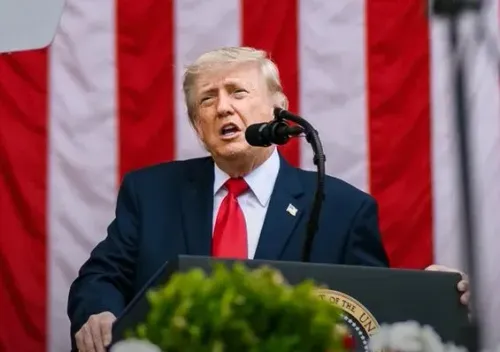
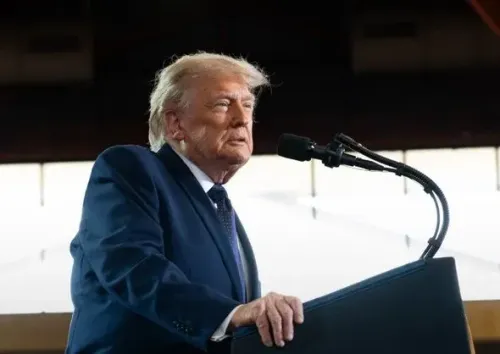
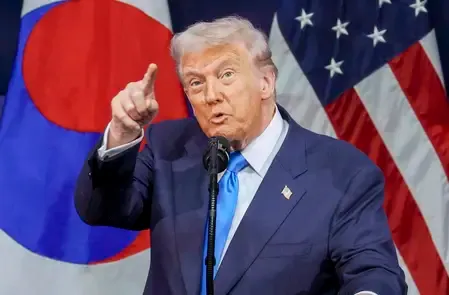
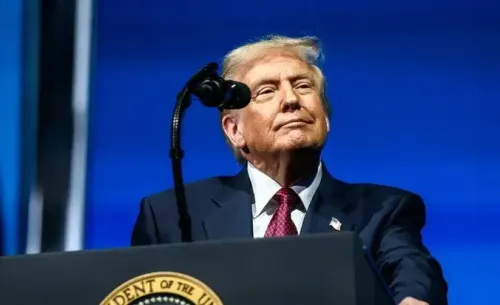
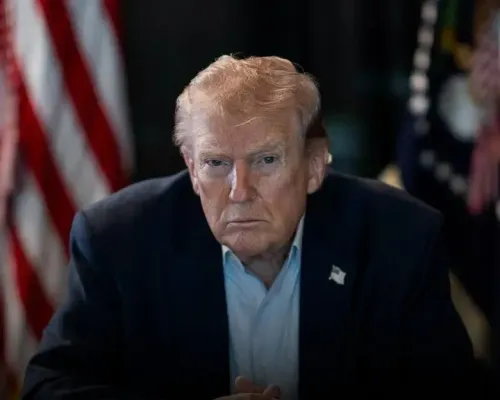
President Donald Trump said on Thursday, 11 June that seizing Kharg Island — Iran's principal crude oil export terminal — has been his 'number one' strategic preference in the ongoing US-Iran conflict, while warning that more powerful American military strikes were imminent. The remarks, made during a telephone interview with Fox News' Fox & Friends, marked one of the most explicit statements yet of Washington's ambitions over Iranian energy infrastructure.
The Kharg Island Gambit
'My preference has always been to take Kharg Island,' Trump said. 'That's always been my number one thing.' Kharg Island handles the vast majority of Iran's crude oil exports and is considered one of the most strategically critical energy hubs in the Gulf. Trump argued that long-term control of Iranian energy assets could generate significant economic returns for the United States, drawing a direct comparison to American oil operations in Venezuela.
'We did it with Venezuela. Venezuela has worked out great for everybody,' Trump said. 'We've taken millions and millions of barrels of oil out of Venezuela. We brought them to Houston and various other places, such as Louisiana, where, you know, we have incredible refineries. They're going 24 hours a day, making a fortune.' He added: 'I like that, in this case, too.'
More Strikes Confirmed, Ground Troops Ruled Out
Trump left little ambiguity about the military trajectory. 'Yeah, there will be more bombing tonight,' he said. 'It'll be a bigger, bigger, more powerful.' The President had earlier posted on social media that the US would strike Iran again and would eventually 'assume total control' of its oil and gas markets — a statement that preceded the television interview.
At the same time, Trump ruled out a large-scale ground deployment. 'I don't want to have boots on the ground,' he said, though he claimed a limited force could be sufficient. 'But if I wanted to, we could put a small group of soldiers and take over the whole place.' He also indicated a reluctance to target civilian infrastructure such as water facilities and bridges, saying: 'I'd rather not do it, because once you do that, the people suffer.'
Trump's Assessment of Iran's Military State
Throughout the interview, Trump repeatedly asserted that Iran's military had been largely dismantled by prior strikes. 'They have no Navy. They have no Air Force. They have no anti-aircraft,' he said. He also claimed Iranian leadership was actively seeking a negotiated settlement despite public posturing. 'They're dying to make a deal,' Trump said. 'They're negotiating with us to make a deal.'
Domestic Appetite in Question
Even as he outlined an expansive strategic vision, Trump acknowledged uncertainty about public support for a prolonged campaign targeting Iranian energy assets. 'I don't know that America has the stomach for it, to be honest with you,' he said. 'I'm not sure the country has the appetite for it. And that's OK. I understand that.' The candid admission points to the political constraints surrounding any extended military-economic operation in the region.
What Comes Next
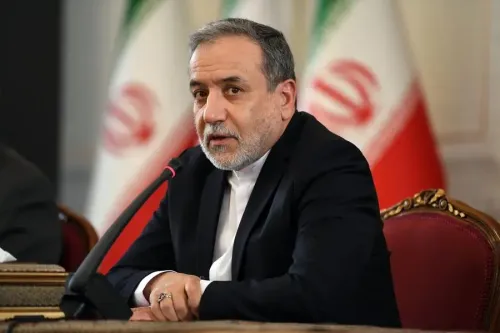
With Trump confirming further strikes and signalling an intent — however conditional — to dominate Iran's oil and gas exports, the conflict appears set to escalate beyond conventional military exchanges into the realm of energy warfare. How Tehran responds, and whether diplomatic back-channels can produce the deal Trump claims Iran is seeking, will define the next phase of this confrontation.
Point of View
Not merely a security response — a significant doctrinal shift that mainstream coverage has underplayed. The Venezuela comparison is telling: that operation drew sustained legal and diplomatic challenge, and applying the same logic to Iran, a far larger and more strategically embedded economy, carries exponentially higher risk. Trump's own admission that 'America may not have the stomach for it' reveals the gap between the strategic vision and the political mandate to execute it. If Tehran is indeed negotiating, as Trump claims, the real question is whether the oil-seizure framing strengthens or sabotages any deal.
NationPress
27 Sept 2026
Frequently Asked Questions
What did Trump say about Kharg Island?
President Trump said that seizing Kharg Island — Iran's principal crude oil export terminal — has been his 'number one' strategic preference in the US-Iran conflict. He made the remarks in a Fox News interview on 11 June, comparing the potential operation to US oil activities in Venezuela.
Did Trump confirm more US military strikes on Iran?
Yes. Trump explicitly confirmed that further strikes were imminent, saying 'there will be more bombing tonight' and that they would be 'bigger, more powerful.' He had also posted on social media earlier that the US would strike Iran again and 'assume total control' of its oil and gas markets.
Why is Kharg Island strategically significant?
Kharg Island handles the vast majority of Iran's crude oil exports and is considered one of the most critical energy facilities in the Gulf. Controlling it would effectively give the US leverage over Iran's primary source of foreign revenue.
Is Trump considering sending ground troops into Iran?
Trump ruled out a large-scale ground deployment, saying 'I don't want to have boots on the ground.' However, he claimed that a small contingent of soldiers could, in his words, 'take over the whole place' if he chose to deploy them.
What did Trump say about Iran's willingness to negotiate?
Trump claimed that Iranian leaders are actively seeking a deal despite their public rhetoric, saying 'they're dying to make a deal' and 'they're negotiating with us.' He also asserted that Iran's military had been largely destroyed, leaving it with 'no Navy, no Air Force, no anti-aircraft.'