US CENTCOM intercepts 3 ships breaching Iran naval blockade, disables oil tanker
Synopsis
American forces have intercepted three ships, disabled an oil tanker with Hellfire missiles, and launched two waves of airstrikes against Iran — all in a single day. With Trump declaring the April ceasefire ‘over’ and the Strait of Hormuz under active blockade for the sixth straight day, the US-Iran confrontation has entered a kinetic new phase with major implications for global energy supply.
Key Takeaways
US CENTCOM intercepted 3 commercial vessels breaching the Iran naval blockade on 17 July .
One vessel was disabled and one was boarded; the Curacao-flagged M/T Belma was disabled by Hellfire missiles after ignoring warnings.
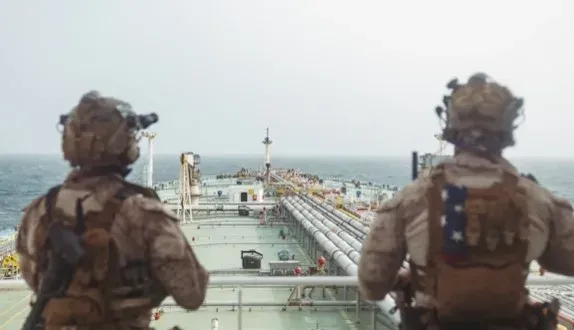
US Marines from the 11th Marine Expeditionary Unit boarded M/T Wen Yao in the Gulf of Oman on 16 July .
The US military conducted two waves of strikes against Iranian targets on Wednesday — the sixth consecutive day of such strikes.
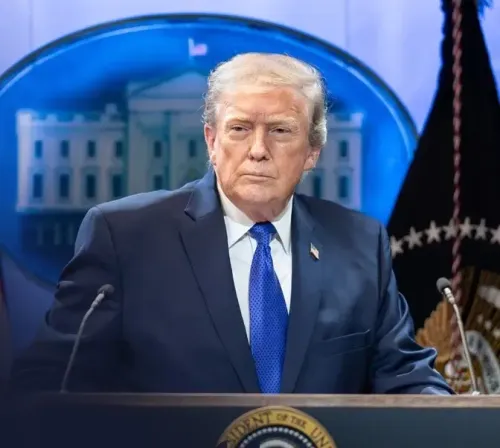
President Donald Trump declared the April ceasefire ‘over’ last week, triggering the reimposition of the naval blockade.
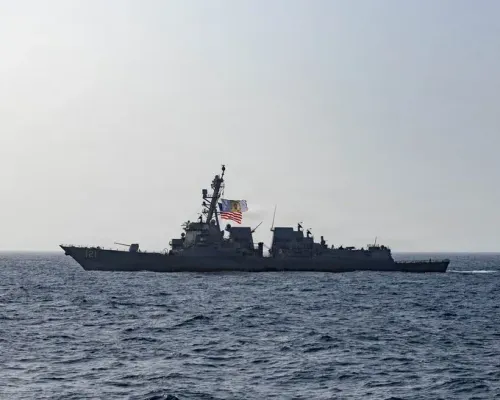
US Central Command (CENTCOM) on 17 July confirmed that American forces have intercepted three commercial vessels attempting to breach the ongoing US naval blockade against Iran, with one vessel disabled and another boarded for compliance verification. The blockade, reimposed on Tuesday, covers all maritime traffic entering and leaving Iranian ports and coastal areas.
Key Developments at Sea
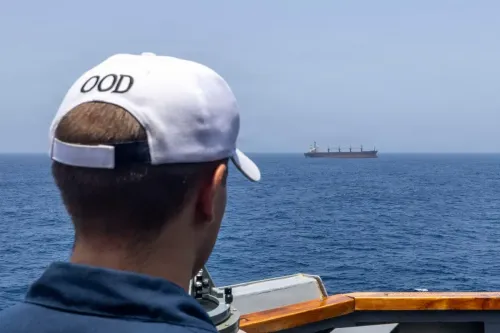
According to CENTCOM, American forces ‘redirected 3 commercial vessels trying to run the blockade, disabled 1 that didn’t comply, and boarded 1 to ensure full compliance.’ In a separate operation, US Marines from the 11th Marine Expeditionary Unit conducted a verification boarding aboard the vessel M/T Wen Yao in the Gulf of Oman on 16 July.
Oil Tanker Disabled After Ignoring Warnings
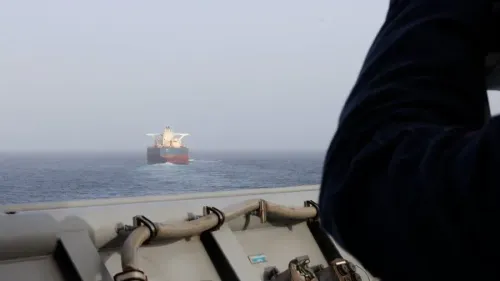
Among the vessels targeted was the Curacao-flagged M/T Belma, an unladen oil tanker sailing toward Kharg Island in the Arabian Gulf. CENTCOM said the vessel ‘ignored multiple warnings as it attempted to violate the US blockade.’ A US aircraft fired Hellfire missiles into the ship’s smokestack, disabling it. ‘The ship is no longer transiting to Iran,’ the command confirmed.
Two Waves of Strikes Against Iran
Beyond the maritime blockade, the US military on Wednesday conducted two waves of strikes against Iranian targets. CENTCOM stated: ‘At 3 p.m. ET (1900 GMT), U.S. forces launched operations for a second wave of strikes today against Iran. The strikes are targeting Iranian military capabilities used to threaten vessels freely transiting through the Strait of Hormuz.’ This marks six consecutive days of US strikes on Iranian targets.
Context: Why the Blockade Was Reimposed
The naval blockade was reimposed after US President Donald Trump last week declared the ceasefire reached in April ‘over.’ The escalation marks a significant deterioration of the fragile pause in hostilities. CENTCOM has maintained that ‘the Strait of Hormuz and the surrounding waters remain free and open, except for vessels attempting to violate America’s steel wall blockade.’
What Happens Next
With the blockade now enforced through active interdictions and aerial strikes, the situation in the Strait of Hormuz — a chokepoint through which roughly 20% of global oil supply transits — remains volatile. Further enforcement actions are likely as long as vessels continue to attempt access to Iranian ports. The international community has yet to formally respond to the reimposition of the blockade.
Point of View
Particularly regarding the right of innocent passage and proportionality. The reimposed blockade, combined with six days of airstrikes, suggests Washington has moved well beyond deterrence into sustained military pressure. What is missing from the official narrative is any indication of a diplomatic off-ramp, and that absence is itself a data point.
NationPress
15 Oct 2026
Frequently Asked Questions
What did CENTCOM say about the Iran naval blockade on 17 July?
CENTCOM confirmed that American forces redirected 3 commercial vessels attempting to breach the blockade, disabled 1 that did not comply, and boarded 1 to verify compliance. The blockade covers all maritime traffic entering or leaving Iranian ports and coastal areas.
What happened to the oil tanker M/T Belma?
The Curacao-flagged M/T Belma, an unladen oil tanker sailing toward Kharg Island, was disabled by a US aircraft after it ignored multiple warnings. Hellfire missiles were fired into the ship’s smokestack, stopping its transit toward Iran.
Why did the US reimpose its naval blockade against Iran?
The blockade was reimposed after President Donald Trump declared the ceasefire reached in April ‘over.’ US forces resumed blocking maritime traffic to and from Iranian ports on Tuesday, and have conducted strikes on Iranian targets for six consecutive days.
Is the Strait of Hormuz closed to all shipping?
No. CENTCOM has stated that the Strait of Hormuz and surrounding waters remain free and open for general maritime traffic. The blockade applies specifically to vessels attempting to transit to or from Iranian ports and coastal areas.
What strikes has the US conducted against Iran?
The US military conducted two waves of airstrikes against Iran on Wednesday, targeting Iranian military capabilities used to threaten vessels in the Strait of Hormuz. This was the sixth consecutive day of US strikes on Iranian targets since Trump declared the ceasefire over.