US forces disable Iran-bound tanker M/T Marivex in Gulf of Oman
Synopsis
A U.S. Navy F/A-18 fired a precision munition into a Palau-flagged tanker in the Gulf of Oman on 8 June — the seventh vessel disabled under Washington's Iran blockade since April 13. With 134 ships redirected and 42 humanitarian vessels cleared, the scale of the naval interdiction operation is larger than most headlines have conveyed.
Key Takeaways
U.S. forces disabled the Palau-flagged tanker M/T Marivex in the Gulf of Oman on 8 June .
An F/A-18 Super Hornet from the USS Abraham Lincoln fired a precision munition into the vessel's engineering and steering spaces.
The tanker was unladen and allegedly en route to an Iranian port in violation of the U.S. blockade.
This is the 7th vessel disabled since the blockade began on 13 April ; 134 ships have been redirected and 42 humanitarian vessels permitted to pass.
No casualties were reported; crew identity and destination port were not disclosed by CENTCOM .
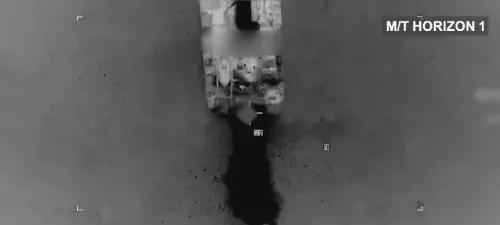
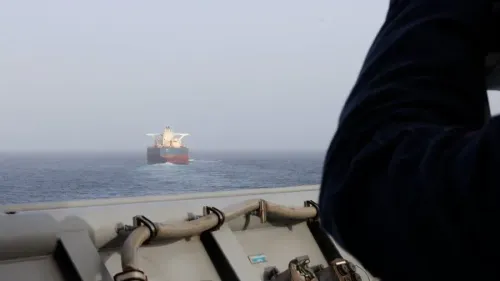
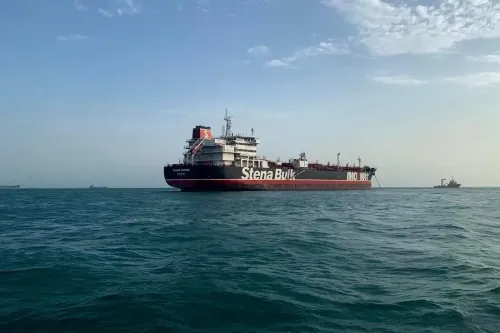
U.S. forces on Monday, 8 June disabled the Palau-flagged oil tanker M/T Marivex in the Gulf of Oman after the vessel allegedly defied Washington's ongoing naval blockade against Iran and continued sailing toward an Iranian port despite repeated instructions from American military personnel. The incident marks the seventh vessel disabled under the blockade since its enforcement began on 13 April.
How the Strike Unfolded
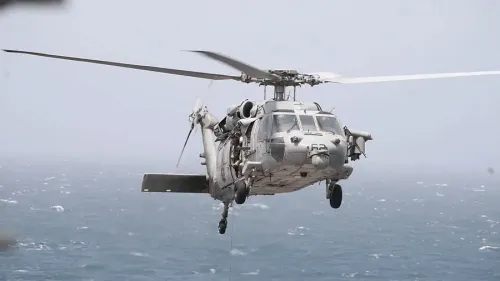
According to the U.S. Central Command (CENTCOM), the M/T Marivex was transiting international waters in the Gulf of Oman unladen — carrying no cargo — when it failed to comply with directives issued by U.S. forces. An F/A-18 Super Hornet jet, operating from the aircraft carrier USS Abraham Lincoln, fired what CENTCOM described as a 'precision munition' into the vessel's engineering and steering spaces, rendering it unable to continue its voyage.
'Marivex is no longer sailing to Iran,' CENTCOM said in an official statement.
No Casualties Reported
The U.S. military reported no casualties and said damage was confined to the targeted systems. CENTCOM did not disclose the identity or nationality of crew members aboard the vessel, the tanker's intended Iranian port of destination, or details of any communications between the crew and U.S. forces prior to the strike.
Scale of the Blockade Enforcement
CENTCOM simultaneously released updated enforcement figures covering operations since 13 April. U.S. forces have now disabled seven vessels deemed non-compliant, redirected 134 ships that complied with instructions, and permitted 42 vessels carrying humanitarian assistance to proceed unimpeded. The figures suggest a significant volume of maritime traffic has been intercepted or influenced by the blockade in less than two months.
Broader Context and Regional Implications
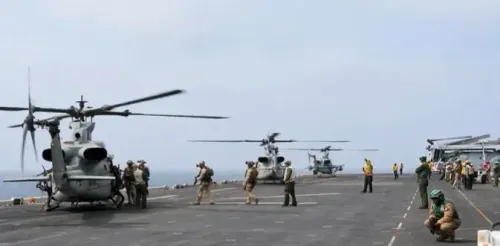
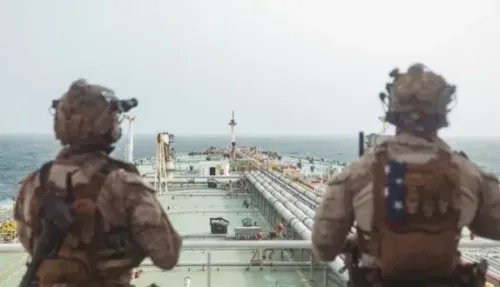
The blockade, initiated by Washington on 13 April, represents one of the most assertive American naval enforcement actions in the Gulf of Oman and surrounding waters in recent years. The use of carrier-based aircraft to physically disable a commercial vessel in international waters is a notable escalation in enforcement methodology. This comes amid heightened tensions between the United States and Iran over Tehran's oil exports, which Washington has sought to curtail through both sanctions and, increasingly, direct military interdiction.
Critics argue that such actions in international waters raise questions under maritime law, though CENTCOM has framed each intervention as a lawful enforcement of the blockade. The identity of the vessel's beneficial owner and the flag-state response from Palau had not been disclosed at the time of reporting.
With enforcement operations intensifying, the frequency of such incidents is likely to shape both regional shipping routes and diplomatic calculations in the weeks ahead.
Point of View
But the outliers are being made examples of with kinetic force. What remains conspicuously absent from CENTCOM's accounting is any detail on crew welfare, flag-state notification, or the legal basis under international maritime law — omissions that are likely to draw scrutiny from bodies like the International Maritime Organization.
NationPress
26 Sept 2026
Frequently Asked Questions
What happened to the tanker M/T Marivex in the Gulf of Oman?
The Palau-flagged oil tanker M/T Marivex was disabled by U.S. forces on 8 June in the Gulf of Oman after it allegedly ignored instructions to halt under Washington's naval blockade against Iran. A U.S. Navy F/A-18 Super Hornet fired a precision munition into its engineering and steering spaces, stopping the vessel from continuing toward Iran.
What is the US blockade against Iran?
The U.S. naval blockade against Iran was initiated on 13 April and involves American forces intercepting, redirecting, or disabling vessels deemed to be violating restrictions on maritime traffic linked to Iran. Since its start, CENTCOM reports that 7 vessels have been disabled, 134 redirected, and 42 humanitarian ships permitted to pass.
Were there any casualties in the strike on the tanker?
CENTCOM reported no casualties from the strike on the M/T Marivex. Damage was said to be limited to the vessel's engineering and steering systems. The identity and nationality of crew members aboard were not disclosed.
Which US military assets carried out the strike?
The strike was carried out by an F/A-18 Super Hornet operating from the aircraft carrier USS Abraham Lincoln, which was deployed in the region as part of the ongoing blockade enforcement operation.
How many ships has the US intercepted under the Iran blockade?
According to CENTCOM figures released on 8 June, U.S. forces have disabled 7 non-compliant vessels, redirected 134 ships that followed instructions, and allowed 42 vessels carrying humanitarian assistance to continue their voyages — all since the blockade began on 13 April.