US military fires Hellfire missile at ship heading to Iranian port
Synopsis
A US aircraft fired a Hellfire missile into the engine room of a Gambia-flagged ship heading to Iran — the fifth commercial vessel disabled under America's naval blockade. With 116 ships redirected, $4.8 billion in estimated Iranian oil losses, and a tentative Strait of Hormuz deal still unconfirmed by Trump, the standoff is escalating even as diplomacy flickers.
Key Takeaways
CENTCOM disabled M/V Lian Star , a Gambia-flagged vessel, on 31 May using a Hellfire missile fired into its engine room.
US forces issued more than 20 warnings before taking action in the Gulf of Oman .
This is the fifth commercial vessel disabled and 116 vessels redirected under the US naval blockade.
The blockade has cost Iran approximately $4.8 billion in oil revenue, per Pentagon estimates.
Defence Secretary Pete Hegseth confirmed the blockade is 'very much still in place' despite reports of a tentative Strait of Hormuz deal.
President Trump has not yet decided on the reported US-Iran agreement to reopen the Strait.
US Central Command (CENTCOM) on Saturday, 31 May confirmed it had disabled a Gambia-flagged commercial vessel, the M/V Lian Star, after it attempted to sail toward an Iranian port in the Gulf of Oman in violation of the ongoing US naval blockade. The action marks the fifth commercial vessel disabled by American forces since the blockade began.
How the Incident Unfolded
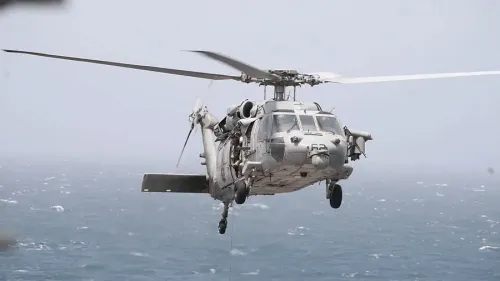
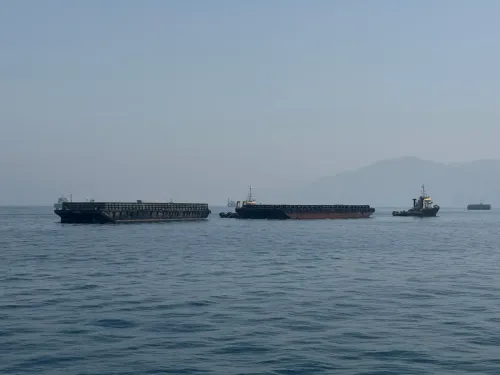
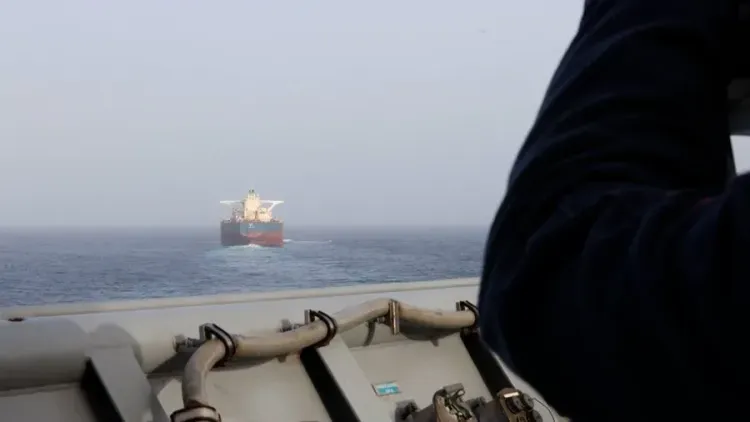
According to a CENTCOM statement issued on social media, US forces observed the M/V Lian Star transiting international waters toward an Iranian port and issued more than 20 warnings before taking action. When the vessel's crew failed to comply, a US aircraft fired a Hellfire missile into the ship's engine room, disabling it. CENTCOM confirmed: 'The ship is no longer transiting to Iran.'
Scale of the Naval Blockade
CENTCOM stated that American forces have now disabled a total of five commercial vessels and 'redirected' 116 vessels under the naval blockade. The blockade, which applies to Iranian ships and vessels bound for Iranian ports, has reportedly cost Iran approximately $4.8 billion in oil revenue, according to a Pentagon estimate issued earlier this month.
Blockade Status Amid Reported Deal Talks
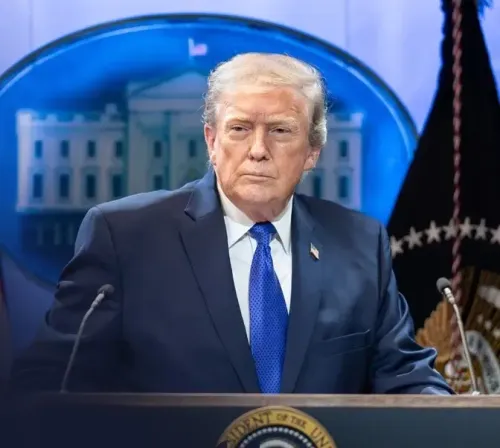
Defence Secretary Pete Hegseth said on Saturday that the blockade is 'very much still in place,' even as reports circulated of a tentative agreement between the US and Iran to reopen the Strait of Hormuz. President Donald Trump, who announced the blockade after US-Iran negotiations faltered in April, has not yet made a decision on the reported deal.
Earlier Enforcement Actions
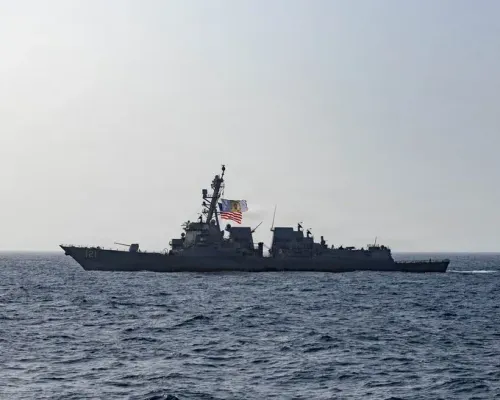
This is not the first time US forces have acted against vessels defying the blockade. On 19 April, the guided-missile destroyer USS Spruance (DDG 111) intercepted the Iranian-flagged cargo vessel M/V Touska in the north Arabian Sea as it sailed at 17 knots toward Bandar Abbas, Iran. Multiple warnings were issued before the vessel was stopped.
What Comes Next
With the blockade firmly in place and diplomatic channels reportedly producing only tentative signals, the situation in the Gulf of Oman and the Strait of Hormuz remains volatile. Any decision by Trump on the reported deal is expected to have immediate implications for global oil shipping lanes and energy markets.
Point of View
Firing on a Gambia-flagged ship raises serious questions under international maritime law — questions that have gone largely unaddressed in official statements. The simultaneous leak of a tentative Strait of Hormuz deal suggests Washington is applying maximum pressure while leaving a diplomatic exit open, a dual-track approach that carries real risk of miscalculation. With five ships now disabled and 116 redirected, the blockade is no longer a signalling exercise — it is an active naval campaign with mounting legal and geopolitical exposure.
NationPress
14 Oct 2026
Frequently Asked Questions
What happened to the M/V Lian Star?
The M/V Lian Star, a Gambia-flagged commercial vessel, was disabled by a US aircraft on 31 May after it ignored more than 20 warnings while sailing toward an Iranian port in the Gulf of Oman. A Hellfire missile was fired into the ship's engine room, stopping its transit.
Why is the US enforcing a naval blockade on Iran?
President Donald Trump announced the naval blockade after US-Iran negotiations broke down in April 2025. The blockade targets Iranian ships and commercial vessels bound for Iranian ports, and has reportedly cost Iran around $4.8 billion in oil revenue according to Pentagon estimates.
Is the US blockade of Iran still active?
Yes. Defence Secretary Pete Hegseth confirmed on Saturday that the blockade is 'very much still in place,' even amid reports of a tentative deal to reopen the Strait of Hormuz. President Trump has not yet announced any decision on that reported agreement.
How many ships have been affected by the US blockade?
As of 31 May, CENTCOM has disabled five commercial vessels and redirected 116 vessels under the naval blockade. The M/V Lian Star is the most recent vessel to be disabled.
What is the significance of the Strait of Hormuz in this standoff?
The Strait of Hormuz is one of the world's most critical oil shipping lanes, connecting the Persian Gulf to the Gulf of Oman. Reports suggest a tentative US-Iran deal to reopen it, but Trump has not confirmed this, leaving global energy markets in uncertainty.