US strikes Iran near Strait of Hormuz, resumes naval blockade
Synopsis
The US launched a seven-hour precision strike campaign against Iranian military targets near the Strait of Hormuz on 15 July, simultaneously reinstating a naval blockade on Iranian ports. With over 20 warships and hundreds of aircraft deployed across the Middle East, Washington is signalling a sustained escalation — not a one-off response.
Key Takeaways
The US conducted a seven-hour wave of strikes against dozens of Iranian military targets near the Strait of Hormuz on 15 July .
A naval blockade on vessels transiting to and from Iranian ports took effect at 4 p.m.
ET , six hours before the strikes concluded.
Targets included Iranian missile and drone sites, naval capabilities, and coastal defence systems.
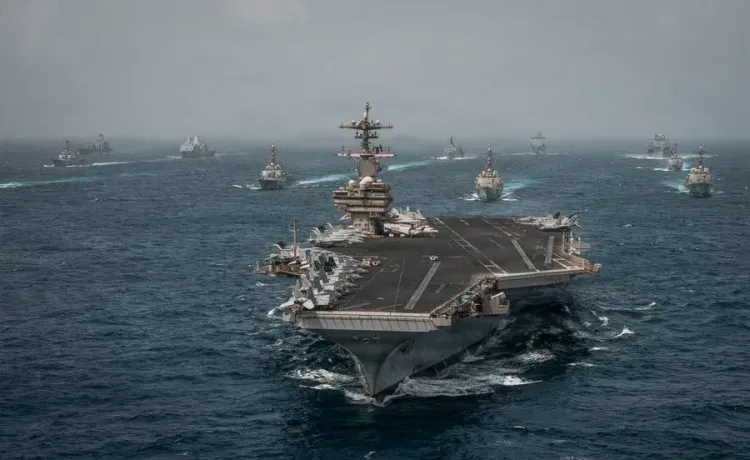
More than 20 US Navy warships and hundreds of military aircraft are operating across the Middle East .
CENTCOM Commander Admiral Brad Cooper cited attacks on seven commercial ships and nearly a dozen civilian crew members killed, missing, or injured over the preceding week.
CENTCOM provided no damage assessment, casualty figures, or identification of specific targets, ships, or affected Gulf nations.
The United States carried out a seven-hour wave of precision strikes against dozens of Iranian military targets near the Strait of Hormuz and along Iran's coastline on 15 July, hours after reinstating a naval blockade on vessels transiting to and from Iranian ports, according to US Central Command (CENTCOM). The operation ended at 10 p.m. ET, CENTCOM confirmed.
What the Operation Involved
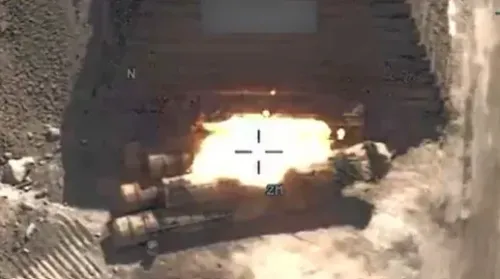
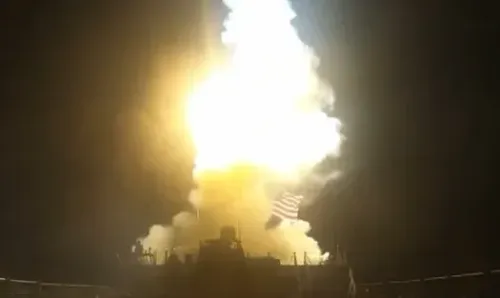
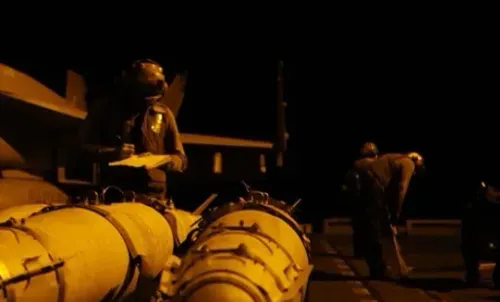
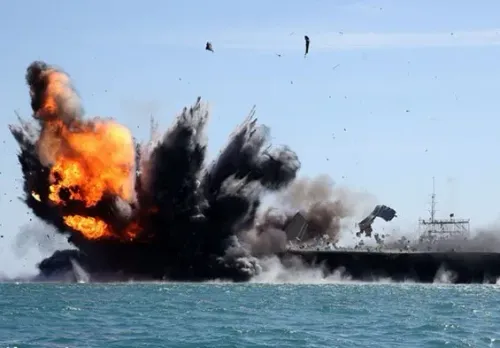
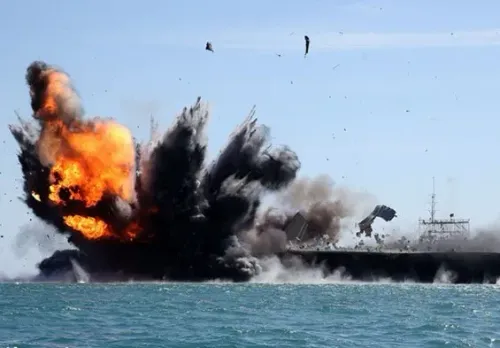
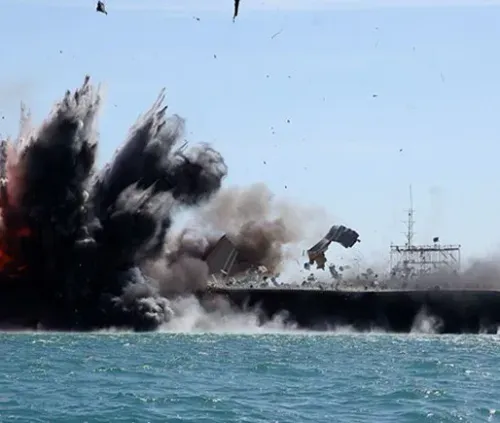
US fighter aircraft, drones, and naval vessels fired precision munitions at Iranian missile and drone sites, naval capabilities, and coastal defence systems. The strikes were designed, according to CENTCOM, to further degrade Iran's ability to threaten commercial shipping and civilian crews operating in the region.
The naval blockade came into effect at 4 p.m. ET — six hours before CENTCOM announced the conclusion of the strikes. 'U.S. forces resumed the naval blockade against vessels transiting to and from Iranian ports and coastal areas today at 4 p.m. ET,' the command said in a separate statement.
Scale of US Military Presence
CENTCOM disclosed that more than 20 US Navy warships and hundreds of military aircraft are currently operating across the Middle East. 'American forces remain vigilant, lethal, and ready,' the command stated.
What the US Said Triggered the Action
CENTCOM Commander Admiral Brad Cooper attributed the latest military action to a pattern of Iranian attacks on commercial vessels and neighbouring Gulf countries over the preceding week. 'Over the past seven days, Iran has intentionally targeted civilians across the region by attacking seven commercial ships resulting in nearly a dozen civilian crew members killed, missing, or injured,' Cooper said in a statement.
Cooper added that Iranian forces had also launched 'dozens of missiles and drones toward neighboring Gulf countries.' 'U.S. forces are holding Iran accountable for unwarranted aggression that continues to endanger innocent lives,' he said.
What Remains Unconfirmed
CENTCOM did not identify the precise locations struck during the operation, nor did it provide a damage assessment or confirm whether there were casualties on either side. The command also declined to name the commercial ships cited by Cooper, the nationalities of crew members affected, or the specific Gulf countries targeted by Iranian missiles and drones.
CENTCOM confirmed that US forces remain prepared to conduct further operations as ordered by the commander in chief — signalling that the military campaign is ongoing rather than concluded.
Strategic Significance
The Strait of Hormuz is one of the world's most critical maritime chokepoints, through which a significant share of global oil and liquefied natural gas supplies pass daily. Any sustained disruption to shipping in the strait carries immediate consequences for global energy markets and supply chains. This operation marks another escalation in US military action against Iran in the region, compounding pressure on an already volatile geopolitical environment.
Point of View
Casualties, or target locations is a deliberate information strategy, but it also leaves open the critical question of whether these strikes are degrading Iranian capability or simply escalating the cycle. The absence of named Gulf partners and ship identities in CENTCOM's statement is notable — it suggests coalition sensitivities or ongoing operational security concerns that mainstream coverage has largely glossed over.
NationPress
13 Oct 2026
Frequently Asked Questions
What did the US strike in Iran on 15 July?
US fighter aircraft, drones, and naval vessels struck dozens of Iranian military targets near the Strait of Hormuz and along Iran's coastline in a seven-hour operation. Targets included Iranian missile and drone sites, naval capabilities, and coastal defence systems, according to CENTCOM.
What is the US naval blockade on Iran?
The US reinstated a naval blockade against vessels transiting to and from Iranian ports and coastal areas, which came into effect at 4 p.m. ET on 15 July. The blockade is intended to restrict Iranian maritime activity and pressure Tehran over attacks on commercial shipping.
Why did the US strike Iran near the Strait of Hormuz?
CENTCOM Commander Admiral Brad Cooper said Iran attacked seven commercial ships over the preceding seven days, resulting in nearly a dozen civilian crew members killed, missing, or injured, and also launched dozens of missiles and drones at neighbouring Gulf countries. The US said the strikes were intended to hold Iran accountable and protect civilian shipping.
Were there casualties in the US strikes on Iran?
CENTCOM did not provide a casualty assessment or damage estimate following the operation. The command also did not identify the precise locations struck or confirm whether any US or Iranian personnel were killed or wounded.
How significant is the Strait of Hormuz to global energy supplies?
The Strait of Hormuz is one of the world's most critical maritime chokepoints, through which a large share of global oil and liquefied natural gas passes daily. Any sustained disruption to shipping in the strait has direct and immediate consequences for global energy markets and supply chains.