US strikes Iranian missile sites, mine-laying boats in southern Iran
Synopsis
Even as Trump declared Iran talks were 'proceeding nicely,' US forces struck missile launch sites and mine-laying boats in southern Iran on 26 May — a rare instance of simultaneous military action and active diplomacy. With a ceasefire in place since 8 April already under strain and the Strait of Hormuz blockade squeezing Tehran economically, the next 48 hours could determine whether a deal holds or collapses.
Key Takeaways
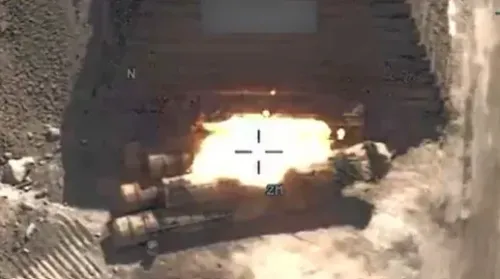
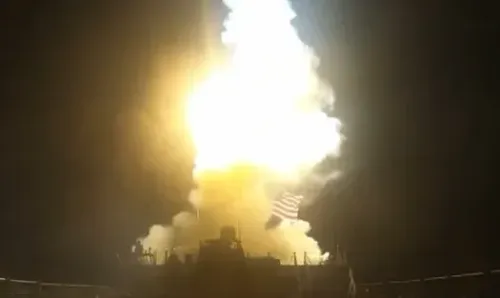
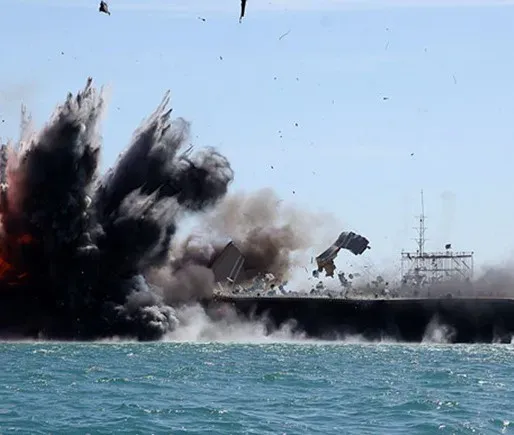
US forces struck missile launch sites and mine-laying boats in southern Iran on 26 May 2025 , according to CENTCOM .
CENTCOM spokesperson Tim Hawkins described the action as 'self-defence strikes' to protect US troops.
A ceasefire has been in place since 8 April ; Monday's strikes strain its continuity.
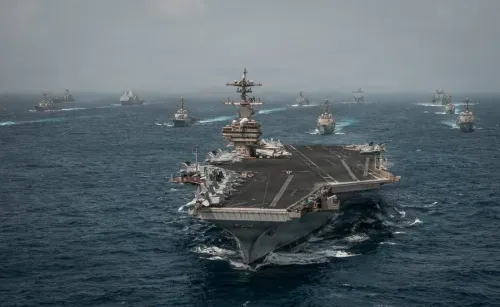
The US Navy blockade on Iranian ports has redirected 100 vessels and disabled four , according to Admiral Brad Cooper .
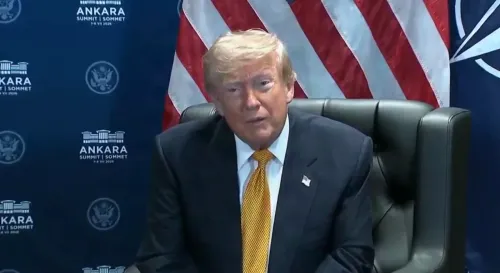
President Donald Trump said Iran talks were 'proceeding nicely' and called on Saudi Arabia , Qatar , and Pakistan to join the Abraham Accords .
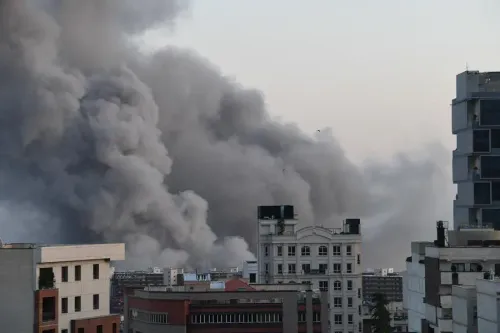
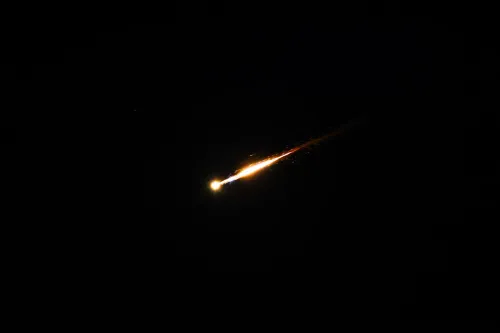
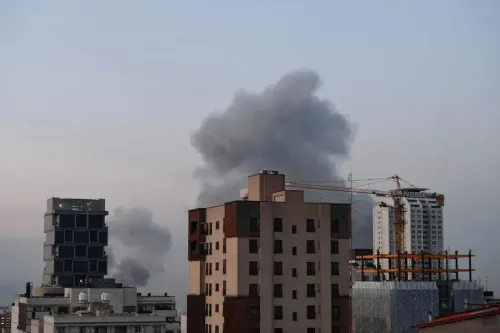
The US military conducted strikes on missile launch sites and mine-laying boats in southern Iran on Monday, 26 May, according to the US Central Command (CENTCOM). The strikes mark a significant escalation in direct military contact between the two nations even as a fragile ceasefire, in place since 8 April, remains nominally in effect.
What CENTCOM Said
CENTCOM spokesperson Tim Hawkins confirmed the action in an official statement. 'US forces conducted self-defence strikes in southern Iran today to protect our troops from threats posed by Iranian forces,' Hawkins said. 'Targets included missile launch sites and Iranian boats attempting to emplace mines. US Central Command continues to defend our forces while using restraint during the ongoing ceasefire,' he added.
The Ceasefire Under Strain
The strikes threaten an already fragile ceasefire that took hold on 8 April, as Washington and Tehran struggle to reach a formal accord to end a conflict that has severely disrupted global energy flows. Iran has continued to exercise control over Gulf shipping through the Strait of Hormuz despite the US Navy enforcing a blockade on Iranian ports. Notably, this is not the first flashpoint since the ceasefire began — the pattern of military contact has persisted even as diplomatic channels remain open.
Naval Blockade and Economic Pressure
CENTCOM commander Admiral Brad Cooper stated last week that the naval blockade had redirected 100 vessels and disabled four, describing it as 'allowing zero trade into and out of Iranian ports, which has squeezed Iran economically.' The blockade represents one of the most comprehensive maritime pressure campaigns the US has mounted against Iran, compounding economic stress on Tehran at a critical juncture in negotiations.
Trump: 'Great Deal or No Deal'
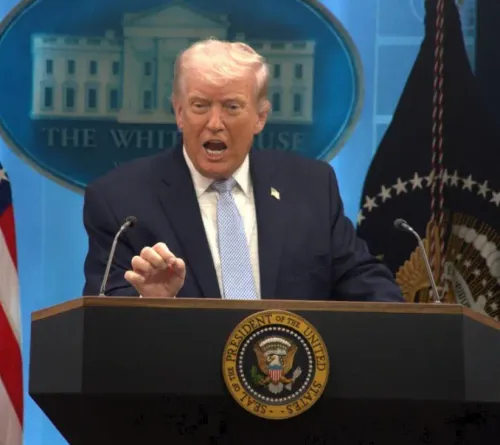
US President Donald Trump on Monday said negotiations with Iran were 'proceeding nicely' and called on several Middle Eastern countries — including Saudi Arabia, Qatar, and Pakistan — to join the Abraham Accords as part of a broader regional settlement. In an extended post on his Truth Social platform, Trump framed the talks in stark terms: 'It will only be a Great Deal for all or no Deal at all — Back to the Battlefront and shooting, but bigger and stronger than ever before — And nobody wants that!' The remarks followed Trump's weekend announcement that a broad regional understanding involving Iran and multiple countries across the Middle East and South Asia was nearing finalisation.
What Comes Next
The simultaneous occurrence of military strikes and active diplomacy underscores the precarious nature of the current standoff. Energy markets remain sensitive to any disruption in the Strait of Hormuz, through which a significant share of global oil flows. Whether Monday's strikes harden Iran's negotiating position or accelerate a deal remains to be seen, with both sides publicly signalling willingness to talk while continuing to test each other's limits on the ground.
Point of View
Striking its military assets, and claiming the ceasefire holds. That is not restraint — it is managed escalation. The real risk is that Tehran, already under severe economic pressure, reads the strikes as a signal that the US does not intend a genuine off-ramp, which could harden its position precisely when a deal is reportedly within reach. Trump's 'Great Deal or no Deal' framing, while rhetorically dramatic, leaves little room for the incremental confidence-building that complex arms negotiations typically require. The Strait of Hormuz remains the global economy's most exposed pressure point, and the margin for miscalculation is narrowing.
NationPress
16 Oct 2026
Frequently Asked Questions
Why did the US strike targets in southern Iran on 26 May?
CENTCOM described the strikes as self-defence actions to protect US troops from threats posed by Iranian forces, specifically targeting missile launch sites and boats attempting to lay mines. The strikes occurred despite a ceasefire in place since 8 April.
Is the US-Iran ceasefire still in effect after the strikes?
The ceasefire nominally remains in effect, but Monday's military strikes have placed it under serious strain. CENTCOM stated it continues to 'defend our forces while using restraint during the ongoing ceasefire,' suggesting Washington considers the action consistent with the agreement's terms.
What is the US naval blockade on Iran?
The US Navy has enforced a blockade on Iranian ports, which CENTCOM commander Admiral Brad Cooper described as 'allowing zero trade into and out of Iranian ports.' As of last week, the blockade had redirected 100 vessels and disabled four, significantly squeezing Iran economically.
What did Trump say about Iran negotiations?
President Donald Trump said on Monday that negotiations with Iran were 'proceeding nicely' and warned that talks would result in either a 'Great Deal for all' or a return to conflict 'bigger and stronger than ever before.' He also called on Saudi Arabia, Qatar, and Pakistan to join the Abraham Accords as part of a broader regional settlement.
How does the US-Iran conflict affect global energy markets?
The conflict has severely disrupted global energy flows, particularly through the Strait of Hormuz, a critical chokepoint for international oil shipments. Iran's continued influence over Gulf shipping, combined with the US blockade, has rattled energy markets and raised supply uncertainty worldwide.