US Military Strikes Iranian Missile Sites Near Hormuz Strait
Synopsis
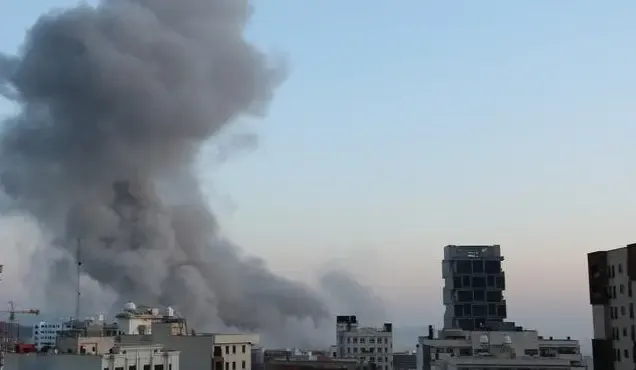
In a significant escalation of military operations, US forces have targeted Iranian missile sites in the Strait of Hormuz, responding to threats to global shipping. This operation marks a pivotal moment in the ongoing conflict as tensions rise in the region.
Key Takeaways
Recent US strikes target Iranian missile installations.
Operation Epic Fury aims to protect international shipping.
Over 7,000 targets struck since the operation's start.
Concerns grow over security in the Strait of Hormuz.
US military assets deployed across air, land, and sea.
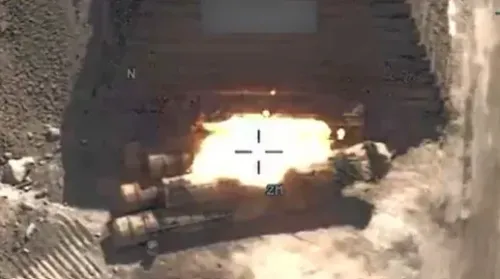
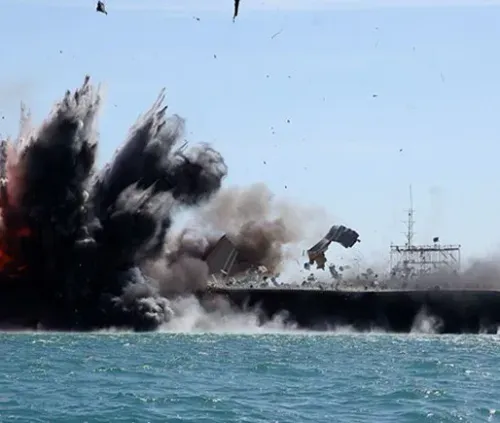
Washington, March 18 (NationPress) - Recent operations by US military forces have targeted Iranian missile installations situated along the critical Strait of Hormuz. These strikes, described by military officials as addressing a direct threat to global shipping, are part of the escalating Operation Epic Fury.
The US Central Command (CENTCOM) reported that the operation involved the use of “multiple 5,000-pound deep penetrator munitions” aimed at “hardened Iranian missile facilities along the coastline.” Furthermore, CENTCOM highlighted that the Iranian anti-ship cruise missiles present at these sites posed a significant risk to maritime safety in the strait.
This latest military action represents a notable escalation in the maritime aspect of the ongoing operation, positioning the strategic waterway as a central hub of US military engagement.
CENTCOM stated, “US Navy aviators have conducted hundreds of combat missions during Operation Epic Fury, showcasing America’s unmatched capacity for establishing air superiority from the sea.”
According to a fact sheet issued just a day prior, since the campaign commenced on February 28, following the directive of the President, the mission has aimed to “disrupt the Iranian regime’s security framework, emphasizing regions that present an immediate threat.” To date, over 7,000 targets have been struck.
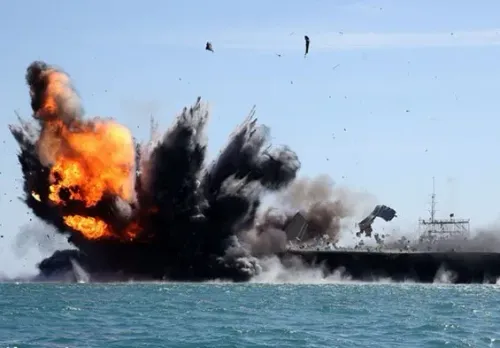
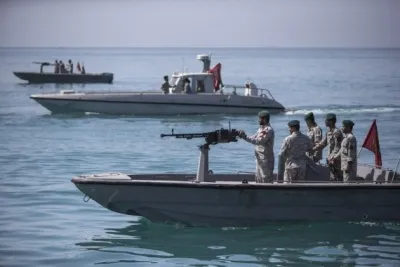
More than 100 Iranian vessels have been reported as “damaged or destroyed,” and US forces have conducted upwards of 6,500 combat flights.
The targets have included a broad array of military infrastructure, spanning from “ballistic missile facilities” and “anti-ship missile installations” to “IRGC headquarters,” “integrated air defense systems,” and “military communication networks.”
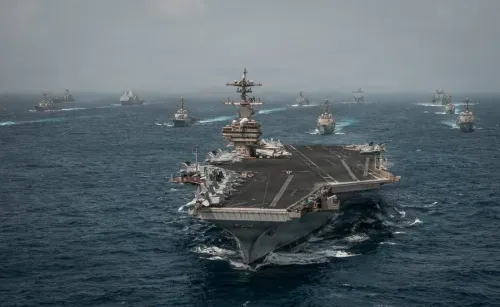
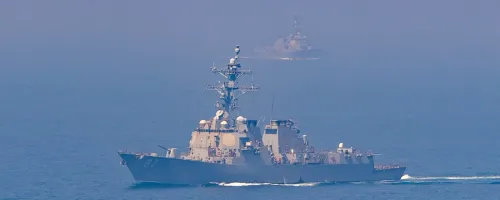
The operation has utilized extensive US military resources across multiple domains. Key assets include B-1, B-2, and B-52 bombers, advanced fighter jets such as F-22 and F-35, as well as surveillance aircraft and attack drones. Naval deployments feature nuclear-powered aircraft carriers, submarines, and guided-missile destroyers.
On land, systems like Patriot and THAAD missile defenses, rocket artillery, and counter-drone technologies have been deployed, underscoring the comprehensive nature of the campaign.
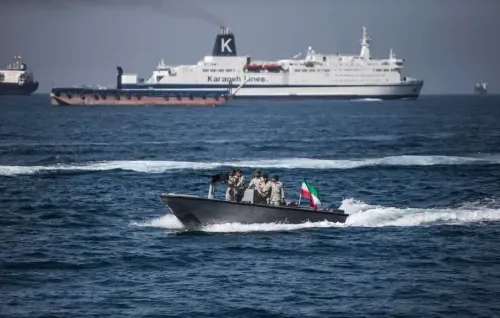
The emphasis on anti-ship missile installations reflects increasing apprehension regarding the security of the Strait of Hormuz, a crucial chokepoint for global energy supplies. Disruptions in this corridor could have serious consequences for international trade and oil markets.
Point of View
I find this development concerning yet crucial. The ongoing military actions in the Strait of Hormuz highlight the urgent need to address threats to international shipping and energy supplies. It is imperative to monitor the situation closely, as any escalation could have global repercussions.
NationPress
10 Oct 2026
Frequently Asked Questions
What triggered the US military strikes on Iranian missile sites?
The strikes were initiated in response to perceived threats posed by Iranian anti-ship cruise missiles to international shipping in the Strait of Hormuz.
How many targets have been struck in Operation Epic Fury?
More than 7,000 targets have been struck since the operation began on February 28.
What types of military assets are being utilized in the operation?
The operation leverages a wide array of military resources, including bombers, fighter jets, surveillance aircraft, and naval forces.
What are the potential consequences of disruptions in the Strait of Hormuz?
Disruptions in this vital chokepoint could have significant ramifications for global trade and oil markets.
How many Iranian vessels have been affected?
Over 100 Iranian vessels have been reported as damaged or destroyed during the operation.