Trump declares Iran ceasefire 'over', hours after US strikes 80 sites
Synopsis
Trump’s blunt ‘it’s over’ declaration at the NATO Summit in Ankara wasn’t diplomatic posturing — it followed a concrete US military operation that hit more than 80 Iranian sites in a single day. With the Strait of Hormuz now a live flashpoint and CENTCOM on standby, the collapse of the US-Iran ceasefire has immediate consequences for global oil markets and regional stability.
Key Takeaways
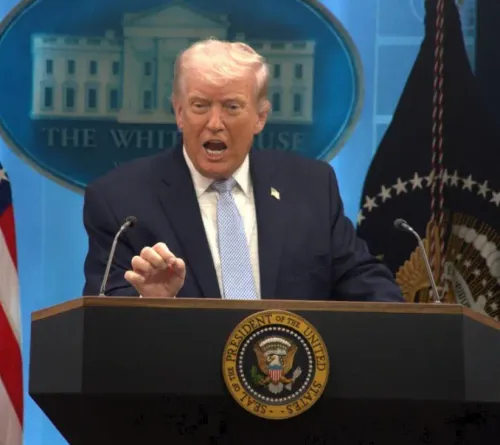
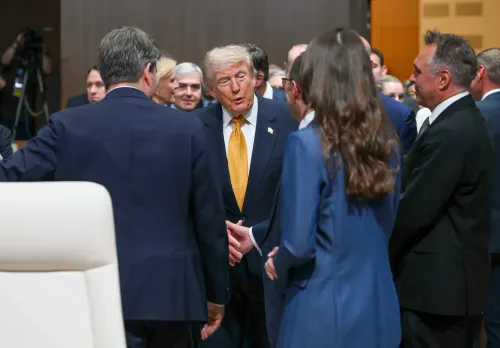
President Trump declared the Iran ceasefire ‘over’ at the NATO Summit in Ankara on 8 July .
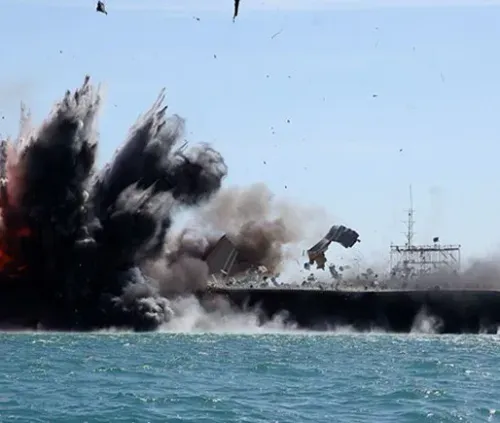
CENTCOM struck more than 80 Iranian targets on 7 July , including air defence systems, radar sites, and 60+ IRGC small boats in the Strait of Hormuz .
Iran allegedly attacked three commercial vessels — M/T Al Rekayyat , M/T Wedyan , and M/T Cyprus Prosperity — triggering the US strikes.
Trump named envoys Steve Witkoff and Jared Kushner as free to continue talks but said he personally sees no point in further negotiations.
CENTCOM stated it remains ‘postured and prepared’ to hold Iran accountable for any further ceasefire violations.
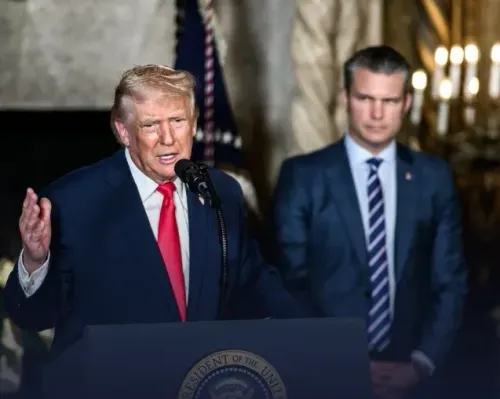
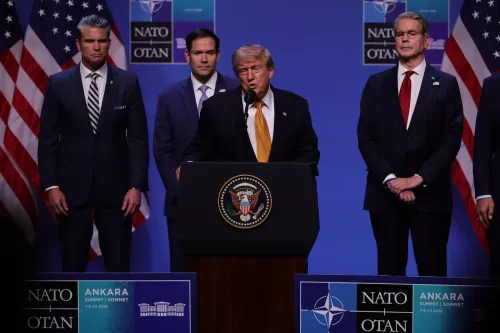
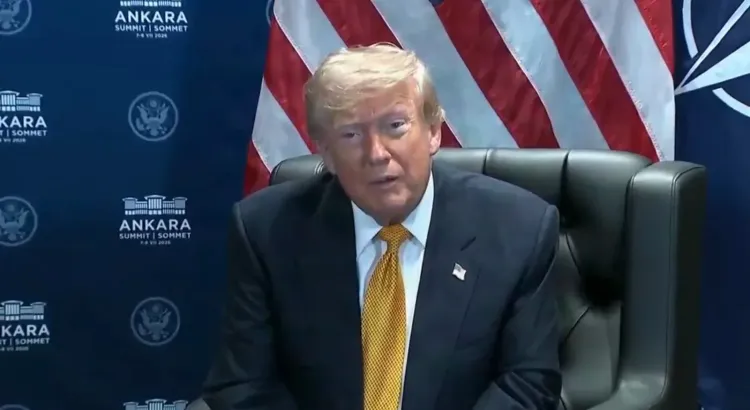
US President Donald Trump on Wednesday, 8 July declared that the ceasefire with Iran is effectively finished, telling reporters at the NATO Summit in Ankara that he no longer wishes to negotiate with Tehran. The announcement came hours after US Central Command (CENTCOM) carried out a fresh round of military strikes hitting more than 80 Iranian targets, including air defence systems, radar installations, and Islamic Revolutionary Guard Corps (IRGC) vessels in the Strait of Hormuz.
Trump's Remarks at the NATO Summit
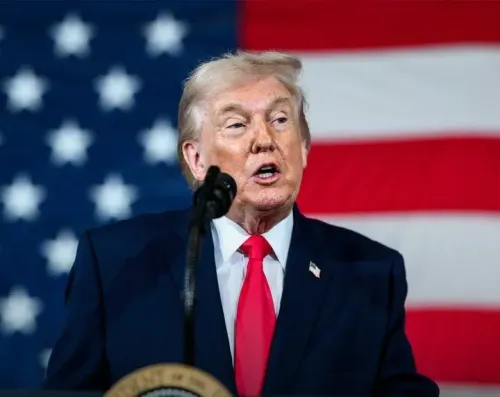
Speaking directly to reporters in Ankara, Trump used unusually blunt language to describe his position on the Iran negotiations. “To me, I think it’s over. I don’t want to deal with them anymore,” he said. He accused Iranian leadership of bad faith at the negotiating table, alleging that Iranian officials publicly denied discussing nuclear weapons even after reaching tentative agreements. “We make a deal…Everyone’s agreed. No nuclear weapon. We make a deal. They go outside, talk to the press. They say, we never even talked about it,” Trump told reporters.
Trump did not formally shut the door on his negotiating team continuing talks, naming envoys Steve Witkoff and Jared Kushner as “good people” who could continue if they wished, but he made clear he would not personally engage further. “I’ll let our wonderful negotiators keep talking if they want, but I don’t see it,” he said.
The Military Strikes: What CENTCOM Said
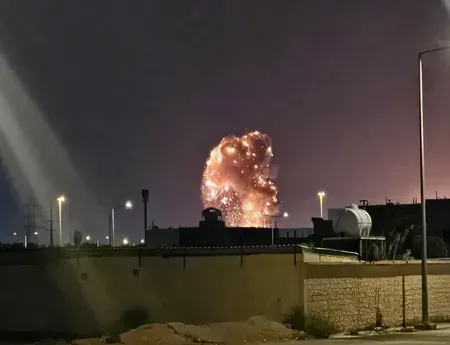
In a post on X, CENTCOM confirmed that US forces completed a new round of offensive strikes against Iran on 7 July, targeting more than 80 sites with precision-guided munitions. The operation was described as an immediate response to Iran’s latest attacks on commercial vessels transiting the Strait of Hormuz.
According to CENTCOM, the strikes hit Iranian air defence systems, command and control networks, coastal radar sites, anti-ship missile capabilities, and more than 60 IRGC small boats in and near the strait. “The unwarranted aggression by Iranian forces is a clear and dangerous violation of the ceasefire and undermines freedom of navigation,” CENTCOM stated.
The Vessels Iran Allegedly Attacked
The US military identified three commercial ships that Iranian forces allegedly targeted in the strait: the Marshall Islands-flagged M/T Al Rekayyat, the Saudi Arabia-flagged M/T Wedyan, and the Liberian-flagged M/T Cyprus Prosperity. Washington characterised these attacks as a direct violation of the ceasefire agreement and a threat to international freedom of navigation.
Why the Strait of Hormuz Matters
The Strait of Hormuz is among the world’s most strategically critical maritime chokepoints, channelling a significant share of global oil exports and commercial shipping. Any sustained disruption to navigation through the waterway carries serious consequences for international energy markets and global trade flows. This context makes the escalation particularly significant for economies — including India’s — that are heavily dependent on Gulf energy supplies.
What Happens Next
Trump’s declaration leaves the diplomatic track in deep uncertainty. While he indicated his envoys could continue talking, his public posture signals a sharp deterioration in US-Iran relations. CENTCOM warned that its forces “remain postured and prepared to hold Iran accountable when the agreement is not adhered to or obeyed.” The international community, including NATO allies gathered in Ankara, will be watching closely for Tehran’s response and any further escalation in the Strait of Hormuz.
Point of View
Not before, a 80-target military operation, suggesting the rhetorical break is meant to ratify a fait accompli on the ground. The ceasefire, never formally codified, was always fragile; what is new is that Washington is now publicly withdrawing even the pretence of diplomatic investment. For global energy markets, the Strait of Hormuz dimension is the real risk: three commercial vessels already attacked, CENTCOM on standby, and no off-ramp visible. Mainstream coverage is focusing on Trump’s colourful language; the harder question is what Iran’s next move looks like when the US has telegraphed it will respond militarily and not negotiate.
NationPress
7 Oct 2026
Frequently Asked Questions
Why did Trump declare the Iran ceasefire over?
Trump declared the ceasefire over on 8 July at the NATO Summit in Ankara, citing what he described as Iranian bad faith in nuclear negotiations and Iran’s alleged attacks on three commercial vessels in the Strait of Hormuz. He accused Iranian officials of publicly denying agreements they had reached at the negotiating table.
What did the US military strike in Iran on 7 July?
US Central Command (CENTCOM) struck more than 80 Iranian targets on 7 July using precision-guided munitions. The targets included Iranian air defence systems, command and control networks, coastal radar installations, anti-ship missile capabilities, and more than 60 IRGC small boats in and near the Strait of Hormuz.
Which commercial ships did Iran allegedly attack?
According to the US military, Iran attacked three commercial vessels transiting the Strait of Hormuz: the Marshall Islands-flagged M/T Al Rekayyat, the Saudi Arabia-flagged M/T Wedyan, and the Liberian-flagged M/T Cyprus Prosperity. Washington described these attacks as a clear ceasefire violation.
Are US-Iran nuclear talks completely finished?
Trump said negotiations are over as far as he personally is concerned, but indicated that envoys Steve Witkoff and Jared Kushner could continue talking if they wished. The diplomatic track is effectively suspended pending any change in Iran’s posture, according to Trump’s remarks.
Why does the Strait of Hormuz matter for global markets?
The Strait of Hormuz is one of the world’s most critical maritime chokepoints, through which a large share of global oil exports and commercial shipping passes. Any sustained disruption to navigation there has significant consequences for international energy prices and trade flows, including for major importers like India.