US military launches fresh strikes on Iran amid ceasefire tensions
Synopsis
Fresh US strikes inside Iran — and intercepted Iranian drones — expose just how fragile the so-called ceasefire really is. With Trump publicly ruling out sanctions relief for uranium, rejecting a reported draft deal as fabricated, and warning he will 'finish the job', the diplomatic window is narrowing fast, even as explosions echo near the Strait of Hormuz.
Key Takeaways
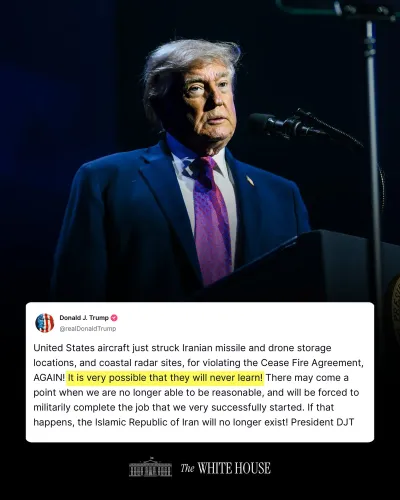
The US military struck a military site in Iran overnight on 29 May 2025 , calling the action defensive.
US forces also intercepted drones launched from Iran , according to reports citing a US official.
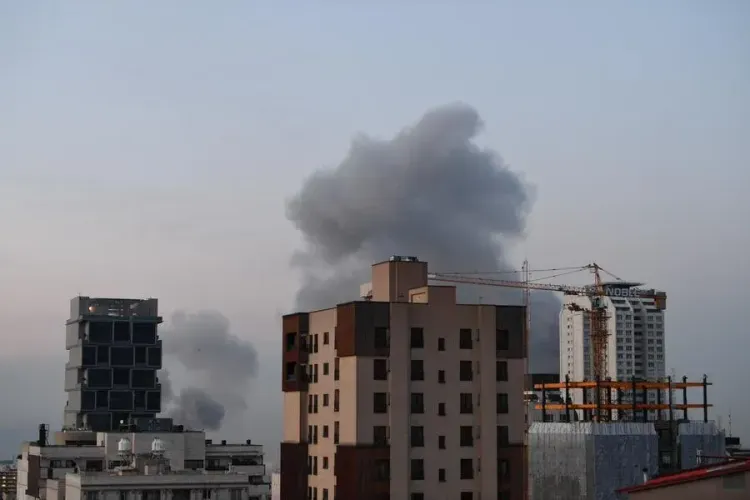
Three explosions were reported near Bandar Abbas on the Strait of Hormuz at around 1:30 am local time .
President Trump said the US is 'not satisfied' with current negotiating terms and warned of resuming full military action.
Trump ruled out sanctions relief in exchange for Iran surrendering its highly enriched uranium stockpile.
The White House dismissed an Iranian media report of a draft deal framework as 'a complete fabrication.'
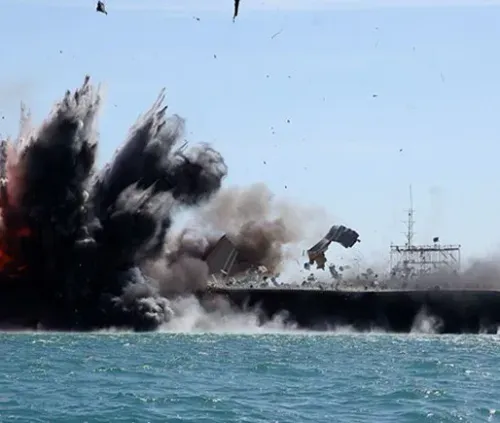
The US military carried out fresh overnight strikes inside Iran on Thursday, 29 May 2025, targeting a military site that Washington said posed a direct threat to American forces and commercial vessels operating in the region, according to multiple US media reports. The strikes come even as officials insisted the US-Iran ceasefire remains technically in effect.
Key Developments
US forces also intercepted drones launched from Iranian territory, according to reports citing a US official. The strikes were characterised as defensive in nature, with the official maintaining that the ceasefire framework had not been abandoned.
Separately, three explosions were reported east of the Iranian port city of Bandar Abbas on the Strait of Hormuz at approximately 1:30 am local time Thursday (2200 GMT Wednesday), according to the Iranian news agency Fars. Iranian air defences were activated, and authorities said they were working to determine the origin of the blasts.
What Trump Said at the Cabinet Meeting
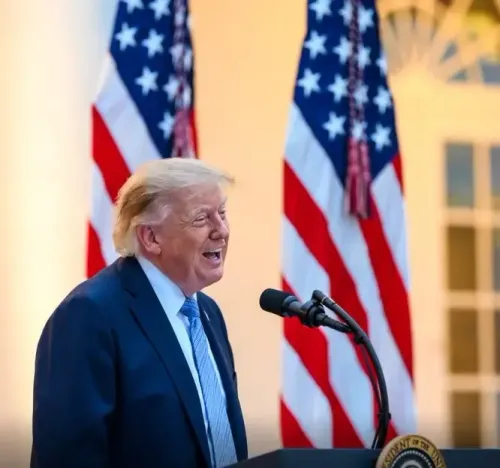
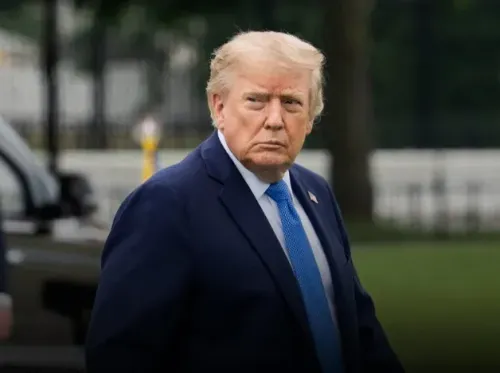
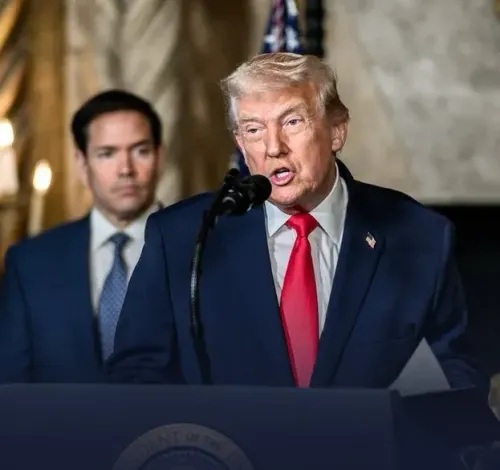
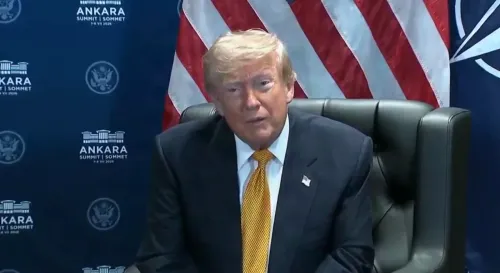
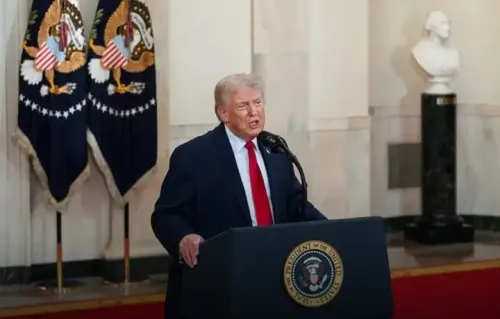
Speaking during a cabinet meeting at the White House on Wednesday, US President Donald Trump said he would not allow midterm political pressures to dictate his negotiating posture with Tehran. He said Iran had miscalculated by expecting domestic political constraints to weaken Washington's position.
'They thought they were going to outwait me,' Trump said. 'I don't care about the midterms.'
Trump also signalled that the US remains dissatisfied with the current terms under negotiation and has not ruled out resuming full military action. 'We're not satisfied with it, but we will be,' he said. 'Either that or we'll have to just finish the job.'
On Iran's willingness to negotiate, Trump added: 'They want to just make a deal. I don't think they have a choice.'
Sanctions Relief and Uranium Stockpile
In a brief phone interview with PBS News during the same cabinet session, Trump flatly rejected the idea of offering Iran sanctions relief in exchange for surrendering its stockpile of highly enriched uranium.
'No, no, not at all. Not sanctions relief, no,' Trump said. 'They're gonna give up their highly enriched uranium not for sanctions relief. No, no, not at all,' he added, closing off what had been a key point of speculation in diplomatic circles.
White House Denies Iranian Draft Deal Report
Earlier on Wednesday, the White House denied an Iranian media report that described a draft framework — an initial, unofficial memorandum of understanding — as 'a complete fabrication.' The Iranian state broadcaster IRIB TV had reported that the draft included a withdrawal of US forces from areas near Iran and the lifting of the US naval blockade on Iranian ports, claims Washington rejected outright.
What Happens Next
The strikes and Trump's remarks mark a significant escalation in rhetoric even as both sides nominally maintain a ceasefire. The Strait of Hormuz, through which a substantial share of global oil shipments pass, remains a flashpoint. Diplomatic negotiations are ongoing, but the gap between the two sides' stated positions — particularly on sanctions and uranium — suggests a durable agreement remains elusive. The international community will be watching closely whether the ceasefire holds through the next round of talks.
Point of View
The talks could collapse before they produce anything binding. The Strait of Hormuz dimension is the real systemic risk: any sustained military activity near that chokepoint carries energy-market consequences that extend well beyond the bilateral dispute. India, which depends on Gulf shipping lanes for a significant share of its crude imports, has particular reason to monitor this closely.
NationPress
11 Oct 2026
Frequently Asked Questions
Why did the US strike Iran again if a ceasefire is in place?
The US described the strikes as defensive, targeting a military site it said threatened American forces and commercial vessels in the region. Officials maintained that the ceasefire framework remains technically in effect, though the strikes have raised serious questions about its durability.
What happened near Bandar Abbas on the Strait of Hormuz?
Three explosions were reported east of the Iranian port city of Bandar Abbas on the Strait of Hormuz at around 1:30 am local time on Thursday. Iranian air defences were activated and authorities said they were investigating the origin of the blasts, according to the Iranian news agency Fars.
What did Trump say about the Iran nuclear negotiations?
Speaking at a White House cabinet meeting, Trump said the US is not yet satisfied with the terms under discussion and remains prepared to resume full military action if its demands are not met. He also ruled out offering Iran sanctions relief in exchange for surrendering its highly enriched uranium stockpile.
Did the US and Iran agree on a draft deal?
No. The White House flatly denied an Iranian state broadcaster report claiming a draft framework had been agreed, calling it 'a complete fabrication.' The reported draft had included a US troop withdrawal from areas near Iran and the lifting of a US naval blockade on Iranian ports.
How does this affect the Strait of Hormuz and global shipping?
The Strait of Hormuz is a critical chokepoint for global oil shipments. Military activity in the area — including the reported explosions near Bandar Abbas — raises the risk of disruption to commercial traffic, with potential knock-on effects for energy prices worldwide.