US Strikes Iranian Missile Sites After Ceasefire Violations
Synopsis
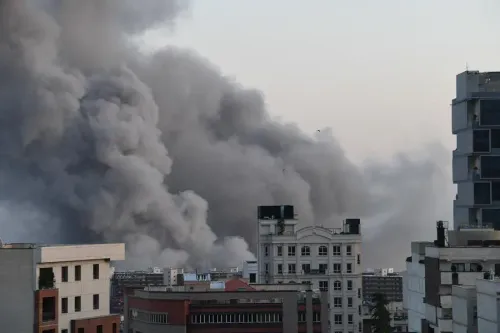
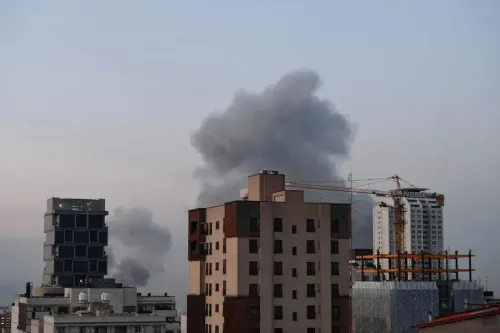
The White House announced on June 27, 2026 that US aircraft struck Iranian missile and drone storage facilities and coastal radar sites, citing repeated violations of a ceasefire agreement. President Trump warned Iran may face further consequences.
Key Takeaways
US aircraft struck Iranian missile and drone storage locations on June 27, 2026 .
Coastal radar sites in Iran were also targeted in the same operation.
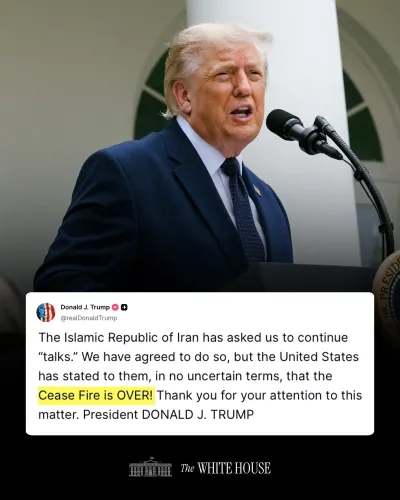
The strikes were carried out in response to Iran violating a Cease Fire Agreement , described as a repeat offence.
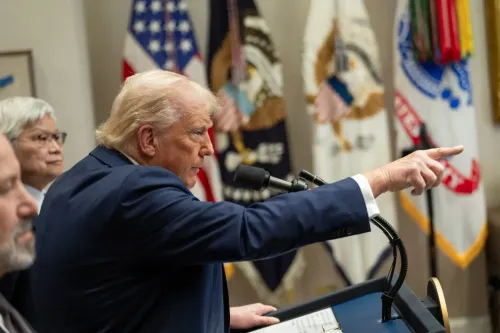
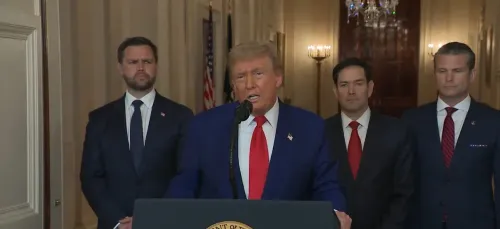
Trump personally announced the strikes via the official White House account on X.
Trump's statement suggests the US is prepared for further military action if violations continue.
The operation has significant implications for regional stability, energy routes, and Indian interests in the Gulf .
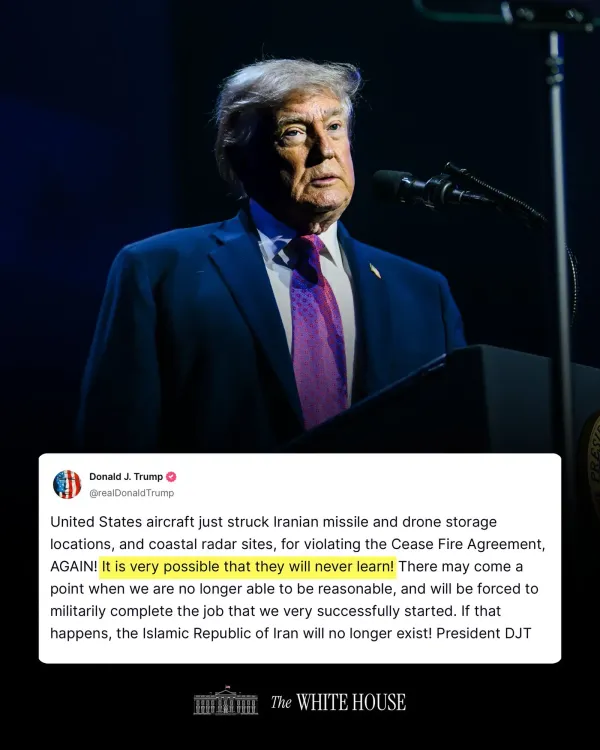
Washington DC, June 28, 2026 — The White House announced late Saturday that United States aircraft carried out strikes on Iranian missile and drone storage locations, as well as coastal radar sites, citing repeated violations of a ceasefire agreement. The announcement, attributed directly to President Donald J. Trump, warned that Iran risks continued military consequences for its actions.
What Happened
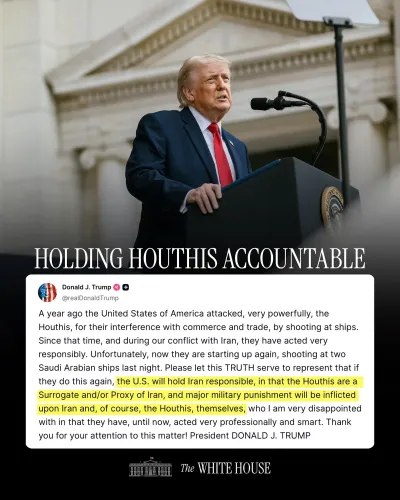
In a statement posted on June 27, 2026, the White House quoted President Trump saying: 'United States aircraft just struck Iranian missile and drone storage locations, and coastal radar sites, for violating the Cease Fire Agreement, AGAIN!' The use of the word 'AGAIN' signals that this is not the first such military response to Iranian ceasefire breaches under the current agreement. Trump added, 'It is very possible that they will never learn,' indicating deep frustration with Tehran's conduct.
Context
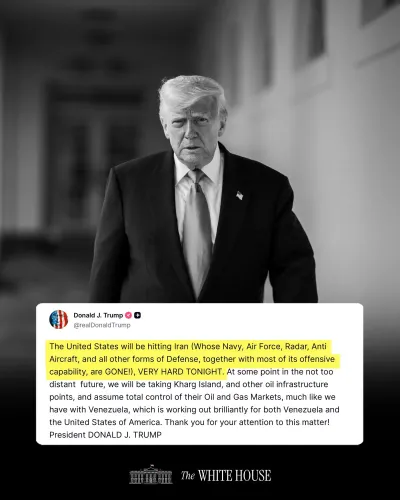
The strikes mark a significant escalation in the ongoing military and diplomatic standoff between Washington and Tehran. A ceasefire framework between the two countries — or involving US-aligned forces in the region — appears to have been in place prior to this incident, though Iran has now violated it on at least two documented occasions according to the US account. Targeting of missile and drone storage facilities suggests the US sought to degrade Iran's offensive military capacity, while strikes on coastal radar sites indicate an effort to limit Iran's ability to monitor and respond to naval or aerial movements.
Policy Backdrop
The Trump administration has maintained a posture of maximum pressure toward Iran across both of Trump's presidential terms. Strikes on weapons infrastructure and surveillance systems are consistent with a strategy of imposing direct military costs for violations rather than relying solely on diplomatic channels or sanctions. The reference to a formal 'Cease Fire Agreement' suggests a structured arrangement was brokered at some point, the details of which have not been fully disclosed in this statement. Coastal radar targeting is particularly significant as it limits Iran's ability to track US naval assets operating in the Persian Gulf or Arabian Sea.
Stakeholders and Impact
The strikes directly affect Iran's military readiness and its strategic posture in the region. For India, which maintains significant energy imports and trade routes through the Strait of Hormuz, any escalation between the US and Iran carries direct economic implications. Indian nationals working in Gulf countries — numbering in the millions — also face heightened risk during periods of regional military activity. Allies and partners of the US in the Middle East, including Israel and Gulf Cooperation Council states, will be closely monitoring Tehran's response.
What's Next
Iran's response to these strikes will be the critical variable in determining whether the situation escalates further or whether diplomatic back-channels can contain the fallout. President Trump's comment that Iran may 'never learn' suggests the administration is prepared for additional military action if violations continue. The international community, including the United Nations and key mediating powers, will face pressure to intervene before the situation deteriorates into a broader regional conflict.
Point of View
The timing is sensitive given its energy dependence on Gulf supply chains and its historically balanced posture between Washington and Tehran. The strikes could force New Delhi into a delicate diplomatic recalibration.
NationPress
26 Sept 2026
Frequently Asked Questions
Why did the US strike Iran on June 27 2026?
The US struck Iran because Tehran violated a Cease Fire Agreement, according to President Trump's statement issued by the White House. The strikes targeted missile and drone storage sites and coastal radar facilities.
What locations in Iran were struck by the US?
US aircraft struck Iranian missile and drone storage locations as well as coastal radar sites, according to the White House announcement on June 27, 2026.
What ceasefire agreement did Iran violate?
The White House referenced a 'Cease Fire Agreement' that Iran has violated, though the full details and parties to the agreement were not specified in the official statement.
How does the US-Iran military escalation affect India?
India imports significant volumes of oil through Gulf shipping lanes, including the Strait of Hormuz. Any US-Iran military escalation raises risks to energy supply chains and the safety of millions of Indian nationals working in Gulf countries.
Has the US struck Iran before under Trump?
The White House statement's use of the word 'AGAIN' indicates this is not the first US military response to Iranian ceasefire violations under the current agreement, though specific prior strike details were not provided in the post.