Trump declares US-Iran ceasefire over, talks to continue amid strikes
Synopsis
Trump declared the US-Iran ceasefire ‘OVER’ on Truth Social — but in the same breath confirmed talks would go on. With over 170 Iranian targets struck in two days, a railway bridge hit 700 miles from the front, and Qatari mediators rushing to Tehran, this conflict is simultaneously escalating and negotiating. The Strait of Hormuz remains the hinge on which war or peace turns.
Key Takeaways
President Trump declared the US-Iran ceasefire over on 10 July via a Truth Social post, while confirming diplomatic talks would continue.
US forces struck more than 170 Iranian military targets on Tuesday and Wednesday , including air defence systems, drone and missile storage sites, and speedboats near the Strait of Hormuz .
A railway bridge in northeastern Iran , over 700 miles from the strait, was also reportedly struck.
Iran retaliated by firing at US military bases in Qatar, Bahrain, and Kuwait ; Jordan said it intercepted Iranian attacks.
Qatari negotiators travelled to Iran in coordination with Washington to revive conditions for resumed talks.
The original ceasefire memorandum of understanding , signed last month, had aimed to open peace negotiations within 60 days .
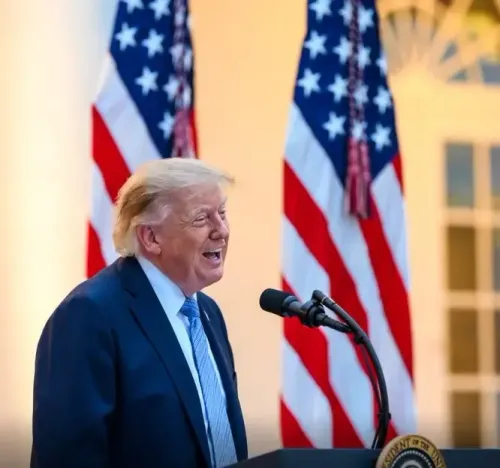
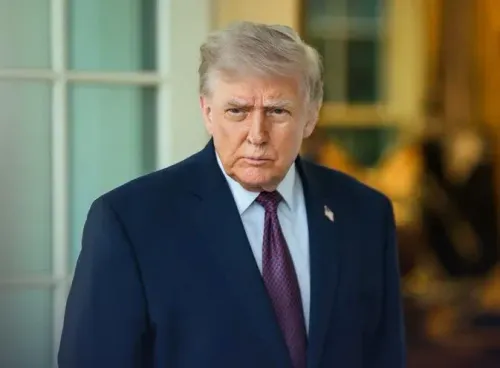
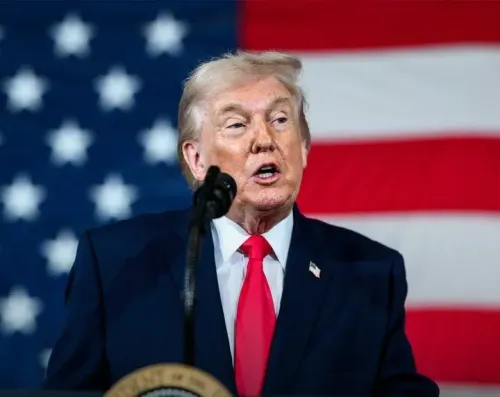
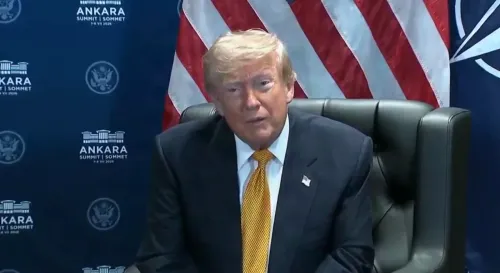
US President Donald Trump on Friday, 10 July declared that the ceasefire between the United States and Iran was over, even as he confirmed that diplomatic talks between the two nations would continue. The announcement came after a sharp escalation in military strikes that shattered a fragile truce negotiated last month.
"The Islamic Republic of Iran has asked us to continue ‘talks.’ We have agreed to do so, but the United States has stated to them, in no uncertain terms, that the Cease Fire is OVER!" Trump wrote in a post on Truth Social.
Military Escalation Around the Strait of Hormuz
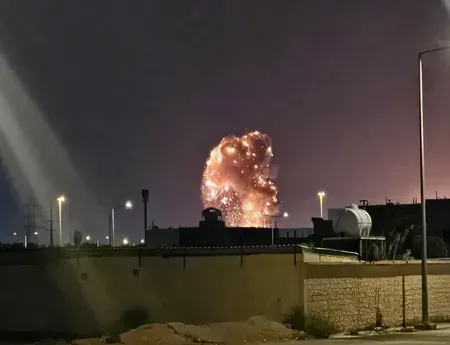
US forces struck more than 170 Iranian military targets on Tuesday and Wednesday, according to reports, in what was described as one of the most intense rounds of American strikes since the conflict began more than four months ago. The targets reportedly included air defence systems, drone and missile storage sites, and military speedboats along Iran’s southern coast near the Strait of Hormuz.
Notably, US forces also reportedly struck a railway bridge in northeastern Iran, more than 700 miles from the strait — a significant geographic expansion of the strikes. Iran responded by firing at US military bases in Qatar, Bahrain, and Kuwait, according to reports. Jordan said it had also intercepted Iranian attacks.
What Broke the Ceasefire
The preliminary ceasefire agreement, signed last month as a memorandum of understanding, was designed to halt hostilities and open negotiations toward a more durable settlement within 60 days. It began to unravel after renewed attacks on commercial vessels near the Strait of Hormuz — a waterway of critical importance to global oil and shipping routes.
The United States and Iran reportedly remained divided over the interpretation of the preliminary agreement, particularly its provisions concerning the Strait of Hormuz. Analysts cited in reports described the region as caught between war and peace, with both sides applying military pressure even as negotiations continued.
Diplomatic Efforts to Salvage Talks
Qatari negotiators reportedly travelled to Iran to meet officials and attempt to create conditions for US-Iran talks to resume. The trip was said to have been planned in coordination with Washington, according to a diplomat cited in reports. A US official also indicated that American forces were deliberately striking and then pausing — a calculated rhythm aimed at avoiding wider escalation while keeping diplomatic channels open.
A reported lull in fighting emerged on Friday following the latest strikes, suggesting both sides were leaving room for further negotiation even amid the breakdown of the formal ceasefire framework.
What Comes Next
Despite Trump’s declaration that the ceasefire is over, the continuation of talks signals that a complete diplomatic rupture has not yet occurred. The central sticking point — control and freedom of navigation through the Strait of Hormuz — remains unresolved. With Qatari mediation active and US forces managing the pace of strikes, the situation remains fluid. Any fresh escalation around the strait, a chokepoint for a significant share of global oil exports, could have immediate consequences for energy markets and regional stability.
Point of View
Striking and pausing in deliberate cycles to keep Tehran at the table without triggering a full-scale war. The real fault line is the Strait of Hormuz: both sides have incompatible interpretations of what the memorandum of understanding required of them there. Until that is resolved, every lull is temporary. The risk is that one miscalculated strike — or one Iranian retaliation that crosses a red line — collapses the diplomatic track entirely, with severe consequences for global energy supply.
NationPress
9 Oct 2026
Frequently Asked Questions
Why did Trump declare the US-Iran ceasefire over?
Trump declared the ceasefire over on 10 July following a sharp escalation in military strikes, including over 170 US strikes on Iranian targets and Iranian retaliatory fire at US bases in Qatar, Bahrain, and Kuwait. The fragile truce, built around a memorandum of understanding signed last month, collapsed after renewed attacks near the Strait of Hormuz.
Will the US and Iran continue diplomatic talks despite the ceasefire ending?
Yes. Trump confirmed in the same Truth Social post that the US had agreed to continue talks at Iran’s request, even as he declared the ceasefire over. Qatari mediators also travelled to Tehran to help restore conditions for resumed negotiations, reportedly in coordination with Washington.
What did US forces strike in Iran?
US forces reportedly struck more than 170 Iranian military targets on Tuesday and Wednesday, including air defence systems, drone and missile storage sites, and military speedboats near the Strait of Hormuz. A railway bridge in northeastern Iran, more than 700 miles from the strait, was also reportedly hit.
What is the significance of the Strait of Hormuz in this conflict?
The Strait of Hormuz is a critical global chokepoint for oil and shipping traffic, making it a central flashpoint in the US-Iran conflict. Renewed attacks on commercial vessels near the strait triggered the breakdown of the ceasefire, and the two sides reportedly remain divided over the agreement’s provisions specifically relating to the waterway.
What was the original US-Iran ceasefire agreement?
The two countries signed a memorandum of understanding last month intended to halt hostilities and open negotiations toward a more durable peace settlement within 60 days. The agreement began to unravel after fresh attacks around the Strait of Hormuz, with both sides holding differing interpretations of its terms.