Iran FM: US strikes render April ceasefire 'ineffective', Hormuz closed
Synopsis
Iran has declared the April ceasefire with the US ‘ineffective’ and closed the Strait of Hormuz — a chokepoint for 20% of global oil supply — after fresh US strikes on Iranian military infrastructure. With the IRGC hitting US bases across the Gulf and Trump threatening to seize Kharg Island, this conflict has moved well beyond a bilateral skirmish into a potential regional emergency.
Key Takeaways
Iranian FM Seyed Abbas Araghchi declared the April ceasefire with the US “ineffective” on 11 June .
Iran closed the Strait of Hormuz to all vessels, including oil tankers, following fresh US strikes.
CENTCOM confirmed strikes on Iranian surveillance, communication, and air defence sites.
The IRGC launched retaliatory strikes on US bases in Jordan , Kuwait , and Bahrain .
President Trump threatened further strikes and raised the prospect of seizing Kharg Island and Iranian oil infrastructure.
Iranian Foreign Minister Seyed Abbas Araghchi declared on Thursday, 11 June that fresh US military strikes against Iran have rendered the April ceasefire between the two countries “ineffective,” sharply escalating an already volatile confrontation in the Middle East. The statement came as Iran closed the Strait of Hormuz to all vessels, including oil tankers and commercial ships, in an unprecedented move that threatens global energy supply chains.
Araghchi Condemns US ‘Aggression’
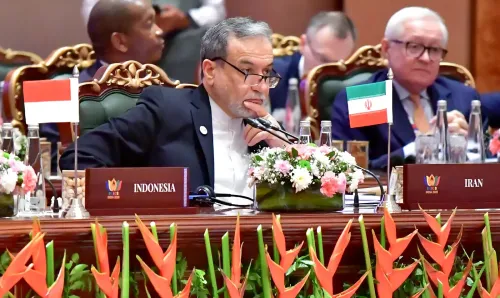
In a phone call with European Union foreign policy chief Kaja Kallas on Thursday, Araghchi strongly condemned the recent US military action, describing it as a “flagrant violation” of the United Nations Charter and international law. He also held the United States responsible for what he called the “dangerous” consequences of its attacks.
The remarks mark the most direct repudiation yet by Tehran of the diplomatic framework that had been holding since April, and signal that Iran no longer considers itself bound by the earlier truce terms.
What US Forces Did
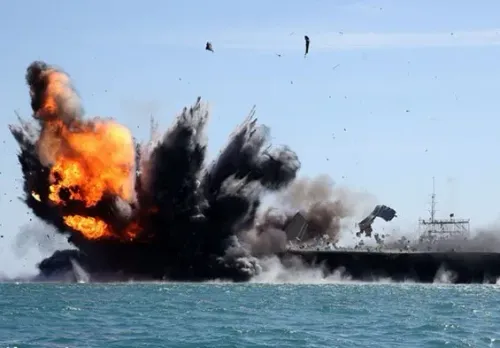
The US Central Command (CENTCOM) confirmed early Thursday that its forces had completed additional strikes against multiple Iranian targets. “CENTCOM forces launched strikes on Iranian military surveillance capabilities, communication systems, and air defence sites across Iran. U.S. Marine Corps, Air Force, and Navy assets fired precision munitions on Iranian targets that posed a threat to U.S. forces and international commercial ships transiting regional waters,” CENTCOM stated in a post on X.
CENTCOM added: “The strikes are in response to Iran’s unwarranted and continued aggression. U.S. forces remain vigilant, lethal, and ready.”
Iran Closes Hormuz, Strikes US Bases
Following the US strikes, Iran’s main military command, Khatam al-Anbiya Central Headquarters, announced the closure of the Strait of Hormuz to all vessels. The strait is a critical chokepoint through which roughly 20% of the world’s oil supply transits, making its closure a significant threat to global energy markets.
Iran’s Islamic Revolutionary Guard Corps (IRGC) separately announced retaliatory strikes targeting US bases in Jordan, Kuwait, and Bahrain, further widening the geographic scope of the conflict.
Trump Threatens Deeper Military Action
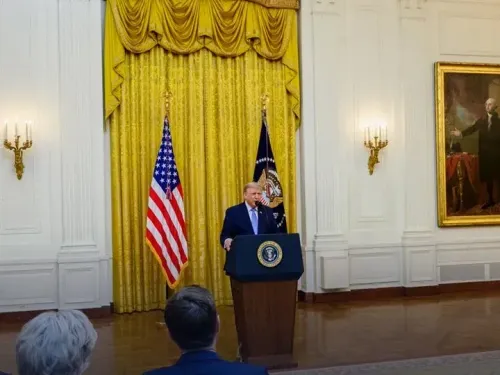
Hours after US forces reportedly disabled a third commercial tanker accused of violating Washington’s blockade against Tehran, US President Donald Trump threatened further military action and raised the prospect of seizing Iranian oil infrastructure.
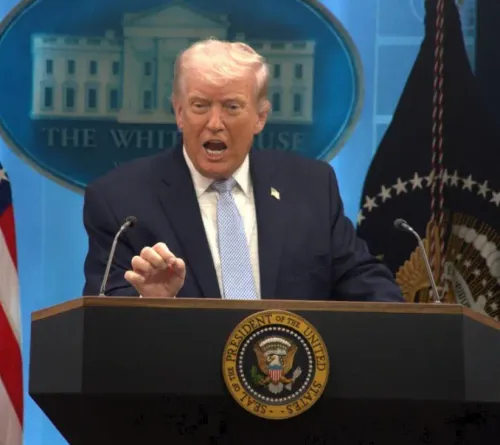
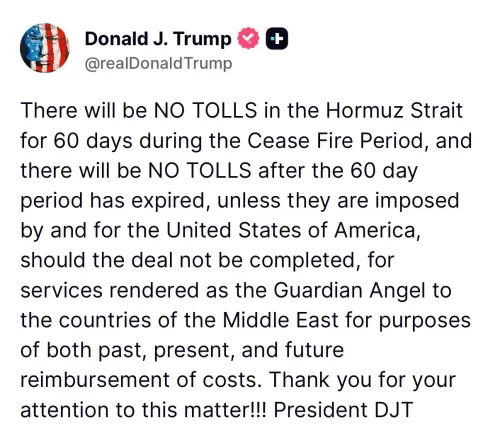
“The United States will be hitting Iran (whose Navy, Air Force, Radar, Anti-Aircraft, and all other forms of Defence, together with most of its offensive capability, are GONE!), VERY HARD TONIGHT,” Trump wrote on Truth Social.
Trump added: “At some point in the not too distant future, we will be taking Kharg Island, and other oil infrastructure points, and assume total control of their Oil and Gas Markets, much like we have with Venezuela, which is working out brilliantly for both Venezuela and the United States of America.”
What Comes Next
The closure of the Strait of Hormuz, combined with retaliatory IRGC strikes on US regional bases, marks a significant escalation beyond the April ceasefire framework. European powers, represented in Thursday’s call by Kallas, are now under pressure to mediate or risk a broader regional conflict. Energy markets are expected to react sharply to the Hormuz closure, with oil prices likely to spike on supply disruption fears. All eyes are now on whether further US strikes materialise and how Iran responds.
Point of View
And deploying it signals that the leadership calculates the cost of backing down now exceeds the cost of a wider confrontation. Trump’s Truth Social threat to seize Kharg Island, if acted upon, would constitute a territorial seizure of a sovereign nation’s energy infrastructure — a move with no modern precedent. The Gulf states hosting US bases are now involuntary frontlines, and their own stability is at risk. Mainstream coverage is focused on the military exchange; the underreported story is how quickly the global oil order could fracture if the Hormuz closure holds beyond 48 hours.
NationPress
26 Oct 2026
Frequently Asked Questions
Why did Iran declare the April ceasefire ineffective?
Iranian Foreign Minister Seyed Abbas Araghchi declared the April ceasefire ineffective on 11 June after fresh US military strikes targeted Iranian surveillance capabilities, communication systems, and air defence sites. He described the attacks as a flagrant violation of the UN Charter and held the US responsible for the dangerous consequences.
What is the significance of Iran closing the Strait of Hormuz?
The Strait of Hormuz is the world’s most critical oil chokepoint, through which roughly 20% of global oil supply passes. Its closure by Iran’s Khatam al-Anbiya Central Headquarters directly threatens global energy supply chains and is expected to cause a sharp spike in oil prices.
What did CENTCOM say about the US strikes on Iran?
CENTCOM confirmed that US Marine Corps, Air Force, and Navy assets fired precision munitions on Iranian military surveillance capabilities, communication systems, and air defence sites. It stated the strikes were in response to Iran’s ‘unwarranted and continued aggression’ and that US forces remain ‘vigilant, lethal, and ready.’
Where did the IRGC strike in retaliation?
Iran’s Islamic Revolutionary Guard Corps announced retaliatory strikes against US military bases in Jordan, Kuwait, and Bahrain, widening the geographic scope of the conflict beyond Iranian and US territory.
What did Trump say about seizing Iranian oil infrastructure?
President Trump wrote on Truth Social that the US would at some point take control of Kharg Island and other Iranian oil infrastructure points, comparing it to what he described as a successful US role in Venezuela. He also threatened imminent further military strikes against Iran.