Iran shoots down US drone over Bushehr, fires on Gulf vessels amid fresh strikes
Synopsis
Iran shot down a US drone over Bushehr, fired warning shots at four vessels near the Strait of Hormuz, and launched IRGC strikes on a US air base — all in a single night. The April ceasefire between Iran, the US, and Israel is fracturing in real time, with Pakistani mediation yet to yield a deal and $24 billion in frozen Iranian assets still on the table.
Key Takeaways
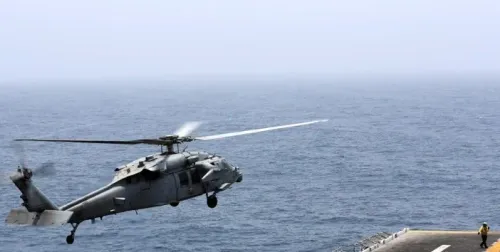
Iran's air defences intercepted and destroyed a US drone over Bushehr province on Thursday night , according to Iranian media.
The IRGC struck a US air base Thursday morning, citing retaliation for US strikes near Bandar Abbas .
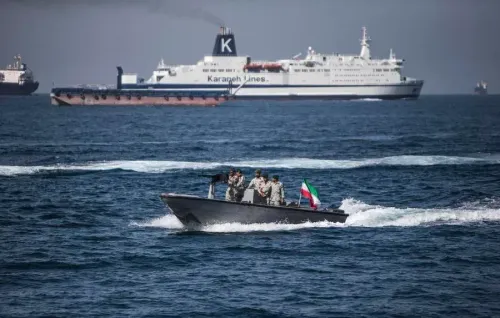
Iranian forces fired warning shots at four vessels near the Strait of Hormuz for crossing without coordination.
A ceasefire between Iran , the US , and Israel was reached on 8 April after 40 days of fighting; peace talks in Islamabad on 11–12 April failed to yield a deal.
Iran has demanded the release of $24 billion in frozen assets as part of ongoing negotiations.
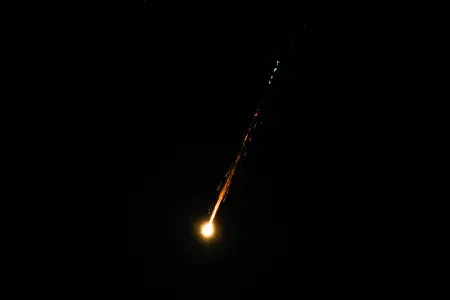
Iran's air defences were activated on Thursday night over the southern province of Bushehr, with an 'invading' US drone reportedly destroyed after missiles were fired, according to Iranian state-affiliated media. The incident marks a sharp escalation in hostilities between Tehran and Washington following a ceasefire reached just weeks earlier.
Key Developments
The semi-official Tasnim News Agency cited a military source confirming that Iran's air defences intercepted the US drone near Bushehr by firing missiles. Separately, the semi-official Fars News Agency reported that Iran's armed forces launched missiles at certain targets from the country's southern regions, with some local sources indicating the possibility of clashes in the Gulf.
The semi-official Mehr News Agency added that Iranian armed forces fired warning shots at four vessels near the Strait of Hormuz that allegedly attempted to cross the strategic waterway without coordination with Iran.
US Strikes and Iran's Retaliation
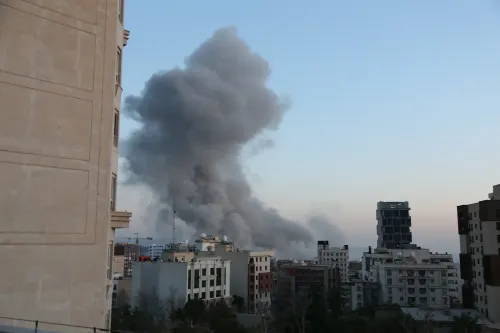
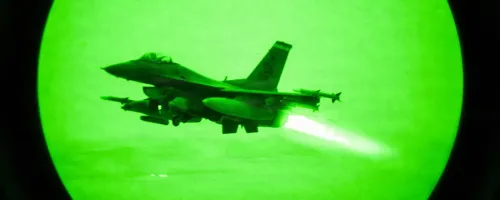
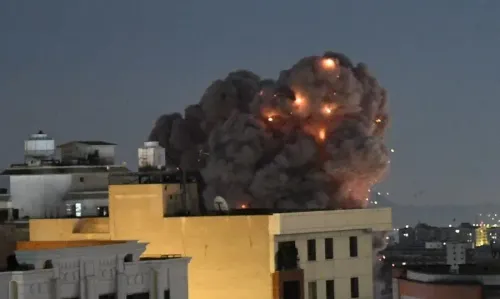
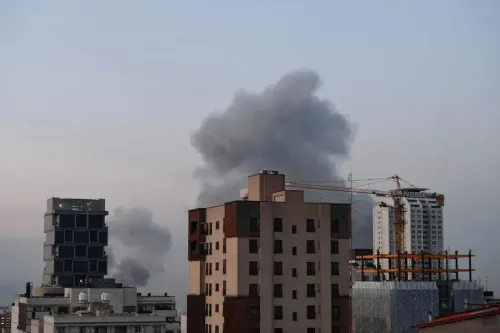
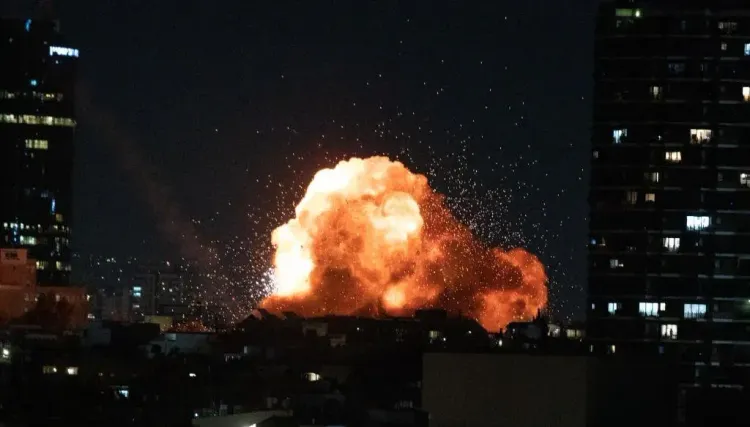
Earlier on Thursday, Iranian media reported three explosions east of the port city of Bandar Abbas. Multiple US media outlets subsequently reported that the US military carried out fresh overnight strikes inside Iran, targeting a military site that Washington said posed a threat to US forces and commercial vessels in the region.
In response, Iran's Islamic Revolution Guard Corps (IRGC) said it carried out strikes on Thursday morning targeting a US air base, framing the action as a direct retaliation for the US attacks against Bandar Abbas. The tit-for-tat exchange underscores how fragile the April ceasefire has proven in practice.
Ceasefire Under Strain
Iran, the United States, and Israel reached a ceasefire on 8 April after 40 days of fighting. Following the truce, Iranian and US delegations held peace talks in Islamabad, the capital of Pakistan, on 11 and 12 April, which failed to produce an agreement.
Over the subsequent weeks, the two sides have reportedly exchanged several proposed plans on conditions for ending their conflict through Pakistani mediation. Notably, on Tuesday, Iran reportedly demanded the release of its frozen assets worth $24 billion during ongoing negotiations — a signal that economic leverage remains central to Tehran's negotiating posture.
What Happens Next
The renewed military exchanges threaten to unravel the fragile ceasefire architecture and raise concerns about the security of commercial shipping through the Strait of Hormuz, a chokepoint for roughly 20% of global oil supply. Pakistani mediators face mounting pressure to bring both sides back to the table before the situation deteriorates further.
Point of View
Each framing its actions as retaliation. The real danger is the Strait of Hormuz dimension — warning shots at commercial vessels introduce an economic escalation ladder that neither Pakistani mediators nor the original ceasefire terms were designed to manage. Iran's simultaneous push for $24 billion in frozen assets signals that Tehran is using military pressure as negotiating leverage, a pattern that has historically complicated de-escalation. The Islamabad talks' failure to produce even a framework agreement is the most underreported detail here: without a process, there is no floor beneath this conflict.
NationPress
15 Oct 2026
Frequently Asked Questions
What happened with Iran's air defences over Bushehr on Thursday?
Iran's air defences intercepted and reportedly destroyed a US drone near Bushehr province on Thursday night by firing missiles, according to Iranian state-affiliated media citing a military source. The incident is one of several military exchanges that occurred within a single 24-hour period.
Why did the IRGC strike a US air base?
Iran's Islamic Revolution Guard Corps said it struck a US air base on Thursday morning in direct retaliation for US overnight strikes that targeted a military site near Bandar Abbas. Washington said the strikes targeted a location it deemed a threat to US forces and commercial shipping.
What is the current status of the Iran-US ceasefire?
A ceasefire between Iran, the United States, and Israel was reached on 8 April after 40 days of fighting. Peace talks held in Islamabad on 11 and 12 April failed to produce an agreement, and the renewed military exchanges on Thursday have placed the truce under severe strain.
Why did Iran fire warning shots near the Strait of Hormuz?
Iranian armed forces fired warning shots at four vessels near the Strait of Hormuz that reportedly attempted to cross the strategic waterway without prior coordination with Iran, according to the Mehr News Agency. The Strait is a critical chokepoint for global oil trade.
What is Iran demanding in the ongoing negotiations with the US?
Iran has reportedly demanded the release of frozen assets worth $24 billion as a condition during negotiations aimed at ending the conflict with the United States. The demand was reported on Tuesday, days before the latest military escalation.