US shoots down 4 Iranian drones, strikes radar sites near Strait of Hormuz
Synopsis
The US military didn't just intercept four Iranian attack drones over the Strait of Hormuz — it then hit back, striking Iranian radar installations at Goruk and Qeshm Island. The move signals a more aggressive American operational posture in the Gulf, and with Iran yet to respond, the next move in one of the world's most consequential waterways remains dangerously unpredictable.
Key Takeaways
US Central Command (CENTCOM) shot down four Iranian one-way attack drones on 6 June headed toward the Strait of Hormuz .
US forces subsequently struck Iranian coastal radar sites at Goruk and on Qeshm Island .
CENTCOM described the drones as posing 'an immediate threat to regional maritime traffic.' No casualties, damage assessments, or weapons details were disclosed by the US military.
Iran had not issued an official response at the time of the announcement.
CENTCOM stated American forces remain 'vigilant and postured to respond to unjustified Iranian aggression in self-defence.'
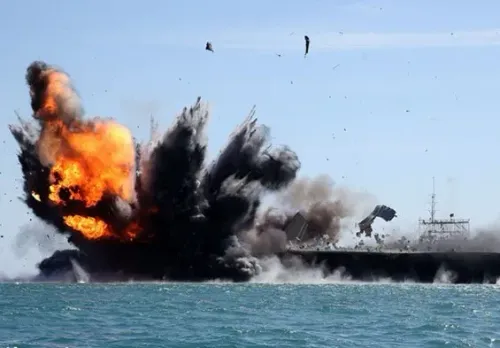
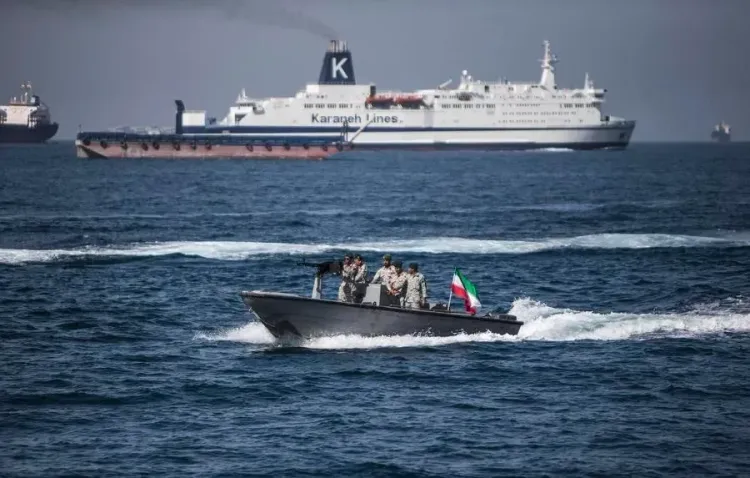
The United States military on Friday, 6 June shot down four Iranian one-way attack drones headed toward the Strait of Hormuz and subsequently struck Iranian coastal radar installations, marking a sharp escalation in one of the world's most strategically sensitive maritime corridors.
What Happened
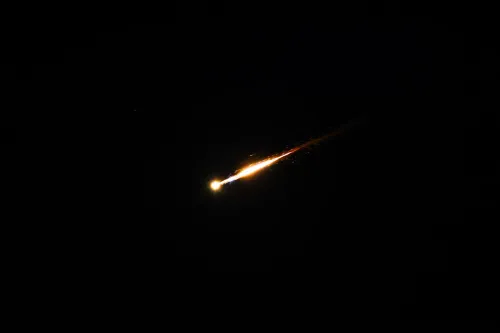
US Central Command (CENTCOM) confirmed in a brief statement that its forces intercepted the drones after detecting what it described as an immediate threat to regional shipping. 'Moments ago, CENTCOM forces shot down four Iranian one-way attack drones that were launched toward the Strait of Hormuz,' the command said, adding that the drones 'posed an immediate threat to regional maritime traffic.'
Strikes on Iranian Radar Infrastructure
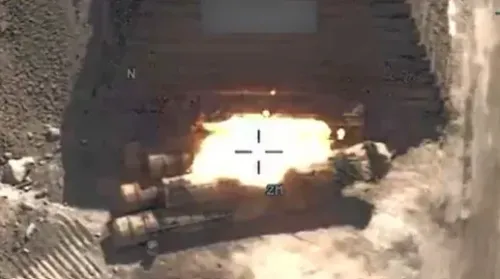
Following the interceptions, US forces launched strikes against Iranian surveillance infrastructure along the country's southern coast. 'US forces subsequently struck Iranian coastal surveillance radar sites in Goruk and on Qeshm Island to defend against further attacks,' CENTCOM stated. The command did not provide details on casualties, damage assessments, or the types of aircraft and weapons deployed in the operation.
Strategic Significance of the Strait of Hormuz
The Strait of Hormuz connects the Persian Gulf with the Gulf of Oman and the Arabian Sea, making it one of the most critical chokepoints for global energy and commercial shipping. Roughly 20% of the world's traded oil transits the strait, and any disruption carries immediate consequences for global markets. The US military maintains a substantial presence across the Middle East and regularly patrols these sea lanes.
US Posture and Iran's Silence
CENTCOM signalled readiness for further action if required. 'American forces remain vigilant and postured to respond to unjustified Iranian aggression in self-defence,' the statement said. No immediate response from Iran was available at the time of the announcement, and there was no indication of broader military operations beyond the drone interceptions and radar strikes identified by CENTCOM. It was also not confirmed whether any commercial vessels were directly targeted by the drones.
Context and What Comes Next
This incident comes amid a prolonged period of heightened US-Iran tensions in the Gulf region, with drone and missile exchanges having occurred sporadically over recent years. The targeting of Iranian radar sites — rather than just intercepting the drones — represents a more assertive operational posture. Analysts and regional observers will be watching closely for an Iranian response, which could range from diplomatic protest to further military action in the strait or beyond.
Point of View
The US has crossed a threshold it has not always been willing to cross in Gulf standoffs. The absence of any Iranian response in the immediate aftermath is not reassurance; it is a pause. Tehran's calculus will weigh domestic pressure, the nuclear diplomacy track, and proxy options across the region. The Strait of Hormuz remains the world's most combustible chokepoint, and this episode suggests Washington's tolerance for Iranian drone activity there has run out.
NationPress
20 Oct 2026
Frequently Asked Questions
What did the US military do near the Strait of Hormuz on 6 June?
The US military shot down four Iranian one-way attack drones heading toward the Strait of Hormuz and then struck Iranian coastal radar sites at Goruk and on Qeshm Island. CENTCOM said the drones posed an immediate threat to regional maritime traffic.
Why is the Strait of Hormuz strategically important?
The Strait of Hormuz connects the Persian Gulf with the Gulf of Oman and the Arabian Sea, and is the transit point for roughly 20% of the world's traded oil. Any disruption to shipping there has immediate consequences for global energy markets.
What Iranian sites did the US strike?
According to CENTCOM, US forces struck Iranian coastal surveillance radar installations at Goruk and on Qeshm Island along Iran's southern coast. The strikes were described as defensive action to prevent further attacks.
Has Iran responded to the US strikes?
No official Iranian response had been issued at the time of CENTCOM's announcement. The statement also did not confirm whether any commercial vessels were directly targeted by the intercepted drones.
What is the current US military posture in the region?
CENTCOM stated that American forces 'remain vigilant and postured to respond to unjustified Iranian aggression in self-defence,' signalling readiness for additional action if the situation escalates further.