US shoots down 2 Iranian drones threatening Strait of Hormuz shipping
Synopsis
In less than 72 hours, US forces have downed six Iranian attack drones over the Strait of Hormuz and struck Iranian radar installations on Iranian soil — while indirect diplomacy between Washington and Tehran continues. The simultaneous military escalation and back-channel talks signal a dangerously unstable equilibrium in the world's most critical oil chokepoint.
Key Takeaways
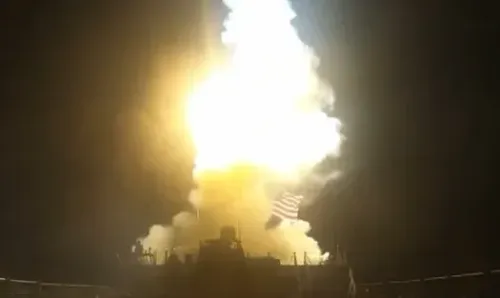
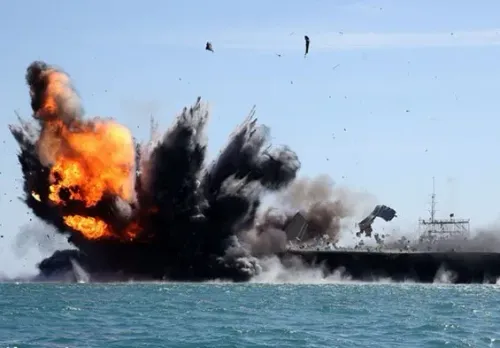
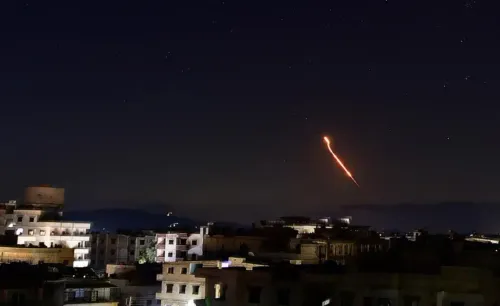
US forces shot down two Iranian one-way attack drones on Sunday threatening traffic in the Strait of Hormuz , per CENTCOM .
On Friday , US forces downed four Iranian drones and struck Iranian coastal radar sites in Goruk and on Qeshm Island .
CENTCOM also intercepted multiple Iranian ballistic missiles on Friday targeting the Strait and Gulf neighbours.
Iran had not publicly responded to Sunday's incident as of the time of reporting.
The incidents unfold alongside weeks of indirect US-Iran talks aimed at resolving broader Middle East conflicts.
The US military shot down two Iranian one-way attack drones on Sunday after they allegedly threatened international maritime traffic in the Strait of Hormuz, according to US Central Command (CENTCOM). The incident marks the latest in a rapid series of confrontations between Washington and Tehran over one of the world's most critical shipping lanes.
What CENTCOM Said
'Earlier today, US forces in the Middle East shot down two Iranian one-way attack drones that threatened international maritime traffic in the Strait of Hormuz,' CENTCOM said in an official statement posted on X. The command did not specify the type of aircraft or weapons used, nor did it provide casualty or damage assessments.
Friday's Escalation: Four Drones and Radar Strikes
Sunday's intercept followed a sharper escalation on Friday, when CENTCOM announced it had shot down four Iranian one-way attack drones launched toward the Strait of Hormuz. US forces subsequently struck Iranian coastal surveillance radar sites in Goruk and on Qeshm Island — the first acknowledged American strikes on Iranian territory in the current cycle of tensions.
'US forces subsequently struck Iranian coastal surveillance radar sites in Goruk and on Qeshm Island to defend against further attacks,' CENTCOM said in its Friday statement. The military added that the drones 'posed an immediate threat to regional maritime traffic,' though it did not confirm whether any commercial vessels were directly targeted.
Iran's Response and Diplomatic Backdrop
Iran had not publicly responded to Sunday's downing as of the time of reporting. This comes amid weeks of indirect talks between Washington and Tehran aimed at de-escalating broader Middle East conflicts — making the simultaneous military exchanges a striking contradiction in the two nations' posture.
Notably, Friday's intercept of multiple ballistic missiles and drones launched by Iran toward the Strait and Gulf neighbours represented a significant widening of the threat envelope, with Sunday's drone downing suggesting the confrontation has not abated.
Why the Strait of Hormuz Matters
The Strait of Hormuz is the world's most critical oil transit chokepoint, with roughly 20% of global petroleum liquids passing through it daily, according to energy analysts. Any sustained disruption to shipping in the corridor carries immediate implications for global energy prices and supply chains. This is the latest in a pattern of Iranian drone and missile activity targeting or threatening the strait, which has intensified significantly in recent weeks.
With no ceasefire mechanism in place and indirect diplomacy still unresolved, further incidents in the Strait of Hormuz remain a live risk in the days ahead.
Point of View
But each strike risks triggering an Iranian response that collapses the diplomatic track entirely. The Strait of Hormuz is not just a military flashpoint; roughly a fifth of global oil supply transits it daily. If Iran moves to actively mine or blockade the corridor — even temporarily — the economic fallout would dwarf any tactical military outcome. Mainstream coverage is focusing on the drone counts; the more consequential question is whether the indirect talks have any mechanism to stop the next escalation before it spirals.
NationPress
23 Oct 2026
Frequently Asked Questions
Why did the US shoot down Iranian drones near the Strait of Hormuz?
US Central Command said the drones posed an immediate threat to international maritime traffic in the Strait of Hormuz. US forces intercepted two drones on Sunday and four more on Friday, citing the need to defend commercial shipping in the critical waterway.
What are the Iranian radar sites that the US struck?
US forces struck Iranian coastal surveillance radar installations in Goruk and on Qeshm Island on Friday, following the downing of four Iranian drones. CENTCOM said the strikes were intended to defend against further attacks, though no casualty or damage details were provided.
Has Iran responded to the US military actions?
Iran had not publicly responded to Sunday's drone downing as of the time of reporting. The absence of an official Iranian statement is notable given the scale of US action, including strikes on Iranian soil.
Why is the Strait of Hormuz so strategically important?
The Strait of Hormuz is the world's most critical oil transit chokepoint, with approximately 20% of global petroleum liquids passing through it daily. Any disruption to shipping there has immediate consequences for global energy prices and supply chains.
Are the US and Iran engaged in any diplomatic talks?
Yes, Washington and Tehran have reportedly been engaged in weeks of indirect talks aimed at ending broader Middle East conflicts. However, the simultaneous military exchanges represent a sharp contradiction to the diplomatic process currently underway.